
How a Simple Drip Edge Prevents Costly Fascia Rot for Curtis Bay Homeowners
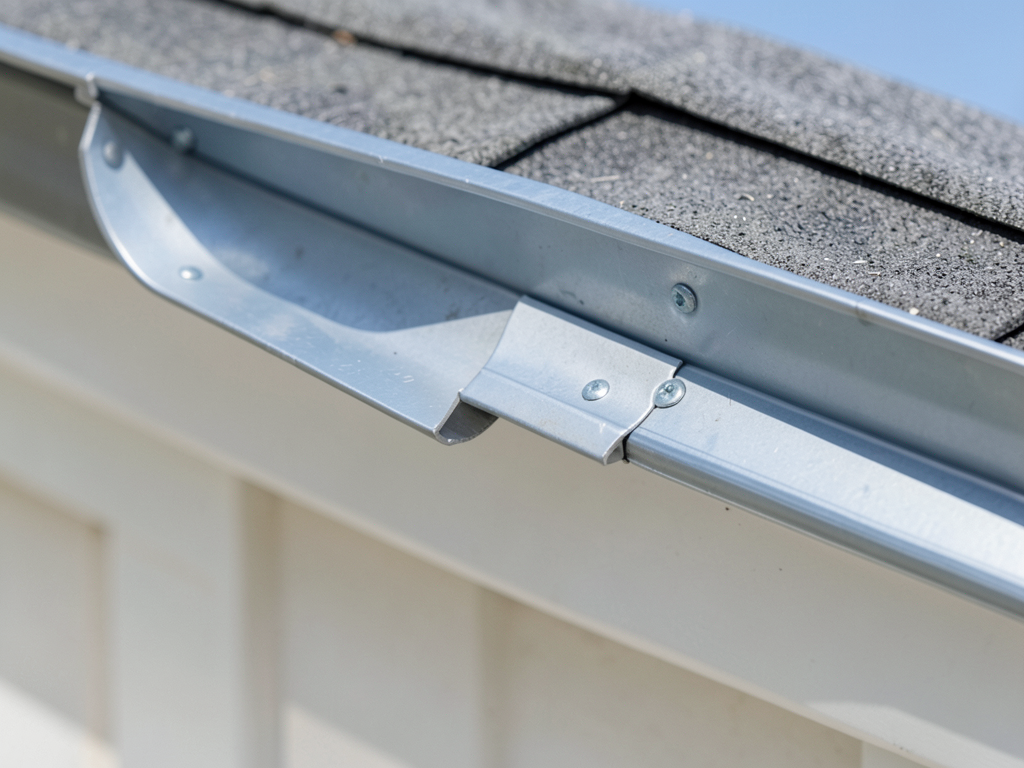
Drip edges are L-shaped metal strips installed along the edges of your roof that direct water away from your home’s fascia boards. Without them, rainwater can seep behind your gutters and cause wood rot that costs thousands to repair. For Curtis Bay homeowners, this simple component prevents water damage that our humid coastal climate makes even worse. EPA water management guidelines.
The Baltimore area gets over 40 inches of rain annually with high humidity that keeps wood wet for long periods. When water sits on fascia boards it creates the perfect conditions for rot and decay. A properly installed drip edge creates a barrier that channels water into the gutters instead of behind them. Flat Roof Repair for Baltimore Rowhouses — What Every Homeowner in Canton Needs to Know.
How Drip Edges Work to Protect Your Home
Drip edges use basic physics to keep your home dry. The metal extends past the roof decking and fascia board creating a small overhang. This overhang uses surface tension to pull water away from your home’s wood components. Without this simple barrier water follows the path of least resistance which is often behind your gutters and into your fascia boards. Installing a Metal Roof in Columbia — Is It Worth the Investment?.
The metal also prevents wind-driven rain from blowing up under your shingles at the roof edge. This is especially important during nor’easters and summer thunderstorms that hit Curtis Bay hard. The drip edge creates a clean break between your roof and the vertical surfaces below. Metal Retrofit Roofing.
5 Critical Benefits of Installing Drip Edges
Drip edges do more than just look like trim. They provide five essential protections that save Curtis Bay homeowners money and prevent headaches.
Benefit 1: Fascia Board Protection
The primary job of a drip edge is preventing fascia rot. Fascia boards are the vertical wood pieces that your gutters attach to. When water gets behind the gutters it soaks into the fascia causing rot that spreads quickly in our humid climate.
Benefit 2: Ice Dam Prevention
Baltimore winters create freeze-thaw cycles that cause ice dams. Drip edges help prevent these by keeping water flowing off the roof instead of backing up under shingles. This is crucial for homes in Curtis Bay where winter storms can dump several inches of snow.
Benefit 3: Pest Exclusion
Small animals like squirrels and mice can squeeze through gaps as small as a quarter inch. Drip edges seal these gaps between your roof decking and fascia preventing rodents from entering your attic. This is especially important in older Curtis Bay homes with aging wood.
Benefit 4: Gutter Efficiency
Drip edges help water flow directly into your gutters instead of running down the fascia. This prevents overflow during heavy rain and reduces the chance of water pooling near your foundation. Better gutter flow means less maintenance and fewer clogs.
Benefit 5: Shingle Protection
The edge of your roof takes the most abuse from wind and water. Drip edges protect the first row of shingles from wind uplift and water damage. This extends the life of your entire roof system by preventing the most vulnerable area from failing first.
Maryland Building Codes Require Drip Edges
The International Residential Code adopted by Maryland requires drip edges on all new roof installations. Section R905.2.8.5 of the IRC states that “Drip edges shall be provided at eave and rake edges.” This means every professional roof replacement in Curtis Bay must include drip edges to meet code. International Residential Code Section R905.2.8.5.
Baltimore County and City inspectors check for proper drip edge installation during final roof inspections. Without them you could fail inspection and have to pay to install them anyway. The cost of including drip edges during initial installation is much less than retrofitting them later.
Local Climate Makes Drip Edges Essential
Curtis Bay’s location near the Chesapeake Bay creates unique weather challenges. Salt air accelerates metal corrosion and high humidity keeps wood wet longer. Our freeze-thaw winters cause expansion and contraction that can crack sealants. These factors make proper roof edge protection even more critical here than in inland areas.
Material Choices for Baltimore’s Climate
Not all drip edge materials perform equally in Curtis Bay’s environment. The three main options each have different lifespans and maintenance needs.
Aluminum Drip Edges
Aluminum resists corrosion and works well in salty air. It costs less than other metals and never rusts. However, aluminum can dent from hail or falling branches and may need replacement after 15-20 years in our harsh climate.
Galvanized Steel
Steel with a galvanized coating offers more strength than aluminum. It handles impacts better and costs slightly more. The zinc coating protects against rust for 20-25 years but will eventually corrode in our salty air.
Copper Drip Edges
Copper lasts 50+ years and develops a protective patina that prevents corrosion. It handles salt air better than any other metal. The main drawback is cost which can be three times higher than aluminum. Many historic Curtis Bay homes use copper for its durability and classic appearance.
Installation Methods That Last
Proper installation determines whether your drip edge protects your home for decades or fails within years. The underlayment must extend over the drip edge at the eaves and under it at the rakes. This creates proper water flow paths.. Read more about Stopping Water from Pooling Behind Your Chimney with a Properly Installed Cricket in Baldwin.
Fasteners should be corrosion-resistant nails or screws placed every 12 inches along the drip edge. The metal must extend at least 1/4 inch past the fascia board to create the proper overhang. Too short and water still reaches the wood. Too long and the edge becomes vulnerable to wind damage.
Common Installation Mistakes
Many roofers cut corners by using shorter drip edges or fewer fasteners. Some skip the ice and water shield underlayment that provides extra protection. These shortcuts save money upfront but cost more when fascia rot develops. Always verify your roofer follows IRC requirements for drip edge installation.
Cost Comparison: Drip Edge vs Fascia Replacement
Installing drip edges during a roof replacement costs $300-600 for an average Curtis Bay home. This includes materials and labor for proper installation with code-compliant fasteners and underlayment. How Much a New Roof Costs in Towson (2026 Estimates).
Fascia board replacement after rot occurs costs $15-25 per linear foot. An average home needs 200-300 feet of fascia replacement. That’s $3,000-7,500 just for the wood plus painting and gutter reinstallation. The total can easily exceed $10,000 when you add labor and disposal.
The math is simple. Spending $500 on proper drip edges saves you from a $10,000 fascia replacement. Plus you avoid the hassle of emergency repairs and potential water damage to your home’s interior.
Identifying Fascia Rot in Your Curtis Bay Home
Early detection prevents expensive repairs. Check your fascia boards annually for these warning signs. Soft spots when you press on the wood indicate rot has already started. Paint peeling or blistering often means moisture is trapped behind the surface.
Dark stains or discoloration show water damage. Cracks or splits in the wood allow more water to enter. If you see any of these signs call a professional immediately. Rot spreads quickly once it starts especially in our humid climate.
The Screwdriver Test
A simple way to check for rot is the screwdriver test. Press the tip of a screwdriver into the fascia board. If it sinks in easily or the wood feels soft the board is compromised. This test works because rot destroys the wood’s structure making it weak and spongy.
When to Replace vs Repair
Small areas of rot can sometimes be repaired by removing the damaged section and replacing it with new wood. However, if rot affects more than 10% of the fascia it’s usually better to replace everything. Partial repairs often fail because the remaining wood is already weakened.
Also consider the age of your roof. If it’s near the end of its lifespan replacing the fascia and installing proper drip edges during a full roof replacement makes more sense than patching problems that will return.
DIY vs Professional Installation
While handy homeowners can install drip edges the risks of improper installation are high. Wrong fasteners, incorrect overlap, or missing underlayment can all lead to failure. Professional installation includes proper code compliance and often comes with warranties that protect your investment.
Frequently Asked Questions
Do I need drip edges if I have gutters?
Yes. Gutters alone cannot prevent water from getting behind them. Drip edges create the necessary barrier that gutters attach to. Without drip edges water still reaches your fascia boards even with gutters installed. Getting Your Roof Inspected Before Buying a Home in Locust Point.
How long do drip edges last in Baltimore’s climate?
Aluminum drip edges last 15-20 years. Galvanized steel lasts 20-25 years. Copper can last 50+ years. The salty air and humidity in Curtis Bay may reduce these lifespans by 5-10 years compared to inland areas.
Can I add drip edges to my existing roof?
Yes but it requires removing the first row of shingles and possibly some underlayment. This is best done during a full roof replacement when these materials are being replaced anyway. Retrofitting is more expensive than installing during initial construction.
What happens if I skip the drip edges to save money?
You risk fascia rot that costs 10-20 times more to repair than the drip edge installation would have cost. You also violate building codes which could cause inspection failures and require you to install them anyway later.
Protect Your Curtis Bay Home Today
Don’t wait for fascia rot to cause expensive damage. The humid coastal climate in Curtis Bay makes your home especially vulnerable to water damage. A simple drip edge installation during your next roof project prevents thousands in repairs.
Call (443) 455-9099 today to schedule your inspection. Our experienced team will check your current roof edges and recommend the best protection for your home. We serve all of Curtis Bay and surrounding Baltimore communities with code-compliant installations backed by our quality guarantee.
Pick up the phone and call (443) 455-9099 before the next storm hits. Your fascia boards are counting on you to prevent the rot that our Baltimore climate loves to cause.
{
“@context”: “https://schema.org”,
“@type”: “BlogPosting”,
“headline”: “How a Simple Drip Edge Prevents Costly Fascia Rot for Curtis Bay Homeowners”,
“description”: “Learn how drip edges protect Curtis Bay homes from fascia rot, ice dams, and water damage. Local Baltimore roofing expert explains building codes and prevention.”,
“wordCount”: 1711,
“datePublished”: “2026-04-13T06:11:00.000Z”,
“dateModified”: “2026-04-13T06:11:00.000Z”,
“inLanguage”: “en-US”,
“mainEntityOfPage”: {
“@type”: “WebPage”,
“@id”: “https://aplusroofingbaltimore.com”
},
“publisher”: {
“@type”: “LocalBusiness”,
“name”: “A Plus Roofing Baltimore”,
“url”: “https://aplusroofingbaltimore.com”
},
“author”: {
“@type”: “Organization”,
“name”: “A Plus Roofing Baltimore”,
“url”: “https://aplusroofingbaltimore.com”
},
“image”: {
“@type”: “ImageObject”,
“url”: “https://aplusroofingbaltimore.com/wp-content/uploads/2026/03/how-a-simple-drip-edge-prevents-costly-fascia-rot-1.png”
}
}
{
“@context”: “https://schema.org”,
“@type”: “RoofingContractor”,
“name”: “A Plus Roofing Baltimore”,
“url”: “https://aplusroofingbaltimore.com”,
“address”: {
“@type”: “PostalAddress”,
“addressLocality”: “Baltimore”
},
“areaServed”: {
“@type”: “City”,
“name”: “Baltimore”
}
}
{
“@context”: “https://schema.org”,
“@type”: “FAQPage”,
“mainEntity”: [
{
“@type”: “Question”,
“name”: “Do I need drip edges if I have gutters?”,
“acceptedAnswer”: {
“@type”: “Answer”,
“text”: “Yes. Gutters alone cannot prevent water from getting behind them. Drip edges create the necessary barrier that gutters attach to. Without drip edges water still reaches your fascia boards even with gutters installed. Getting Your Roof Inspected Before Buying a Home in Locust Point.”
}
},
{
“@type”: “Question”,
“name”: “How long do drip edges last in Baltimore’s climate?”,
“acceptedAnswer”: {
“@type”: “Answer”,
“text”: “Aluminum drip edges last 15-20 years. Galvanized steel lasts 20-25 years. Copper can last 50+ years. The salty air and humidity in Curtis Bay may reduce these lifespans by 5-10 years compared to inland areas.”
}
},
{
“@type”: “Question”,
“name”: “Can I add drip edges to my existing roof?”,
“acceptedAnswer”: {
“@type”: “Answer”,
“text”: “Yes but it requires removing the first row of shingles and possibly some underlayment. This is best done during a full roof replacement when these materials are being replaced anyway. Retrofitting is more expensive than installing during initial construction.”
}
},
{
“@type”: “Question”,
“name”: “What happens if I skip the drip edges to save money?”,
“acceptedAnswer”: {
“@type”: “Answer”,
“text”: “You risk fascia rot that costs 10-20 times more to repair than the drip edge installation would have cost. You also violate building codes which could cause inspection failures and require you to install them anyway later.”
}
}
]
}
{
“@context”: “https://schema.org”,
“@type”: “BreadcrumbList”,
“itemListElement”: [
{
“@type”: “ListItem”,
“position”: 1,
“name”: “Home”,
“item”: “https://aplusroofingbaltimore.com”
},
{
“@type”: “ListItem”,
“position”: 2,
“name”: “Blog”,
“item”: “https://aplusroofingbaltimore.com/blog”
},
{
“@type”: “ListItem”,
“position”: 3,
“name”: “How a Simple Drip Edge Prevents Costly Fascia Rot for Curtis Bay Homeowners”
}
]
}
{
“@context”: “https://schema.org”,
“@type”: “Service”,
“serviceType”: “Roofing”,
“provider”: {
“@type”: “LocalBusiness”,
“name”: “A Plus Roofing Baltimore”,
“url”: “https://aplusroofingbaltimore.com”
},
“areaServed”: {
“@type”: “City”,
“name”: “Baltimore”
},
“description”: “Learn how drip edges protect Curtis Bay homes from fascia rot, ice dams, and water damage. Local Baltimore roofing expert explains building codes and prevention.”
}