
Finding a Reliable Emergency Roofer in Dundalk After a Major Storm
When high winds and heavy rain from a coastal storm hit Dundalk your roof can sustain damage within minutes. Water can start pouring through your ceiling in as little as 30 minutes after a shingle tears off or a tree limb punctures the decking. The first 2 hours after storm damage are critical for preventing thousands of dollars in interior repairs. This guide walks you through immediate steps to take and how to find a 24/7 emergency roofer in Dundalk who can stop the damage fast.
Immediate Steps to Take When Your Roof Leaks
Safety comes first. If water is actively dripping near electrical fixtures or outlets shut off power to that room at the breaker box. Place buckets or plastic bins under active leaks to catch water and prevent floor damage. Move furniture electronics and valuables away from affected areas. If you notice bulging in your ceiling that feels soft to the touch it may be holding pooled water. Use a screwdriver to carefully puncture the lowest point of the bulge to release water into your bucket below. This prevents ceiling collapse.
Document everything with your smartphone. Take clear photos of the water damage wet spots on walls and any visible exterior damage you can safely see from the ground. This documentation speeds up insurance claims. Call your insurance company to report the damage but do not wait for an adjuster before starting emergency repairs. Most policies require you to mitigate further damage which means tarping the roof immediately.. Read more about How to Handle a Roof Insurance Claim in Catonsville Following Hail Damage.
How to Find a 24/7 Emergency Roofer in Dundalk
Speed matters more than price when your home is taking on water. A reliable emergency roofer should answer calls within minutes not hours. Look for companies that advertise 24/7 dispatch services and can provide a guaranteed arrival time. Local roofers familiar with Dundalk’s specific weather patterns and building codes can respond faster than out-of-town storm chasers.
Check that the company holds a valid MHIC license. Maryland requires all roofing contractors to display their license number on all marketing materials. Ask for proof of insurance including both liability and workers compensation. Request recent references from Dundalk homeowners who had similar emergency repairs done. A trustworthy company will provide these details without hesitation. Maryland Home Improvement Commission.
Be wary of contractors who show up uninvited after a storm offering cash discounts or pressuring you to sign immediately. These storm chasers often use substandard materials and may disappear before completing the work. Instead choose a company with a physical office in the Baltimore area and a track record of serving Dundalk residents for years.
What Emergency Roofing Services Include
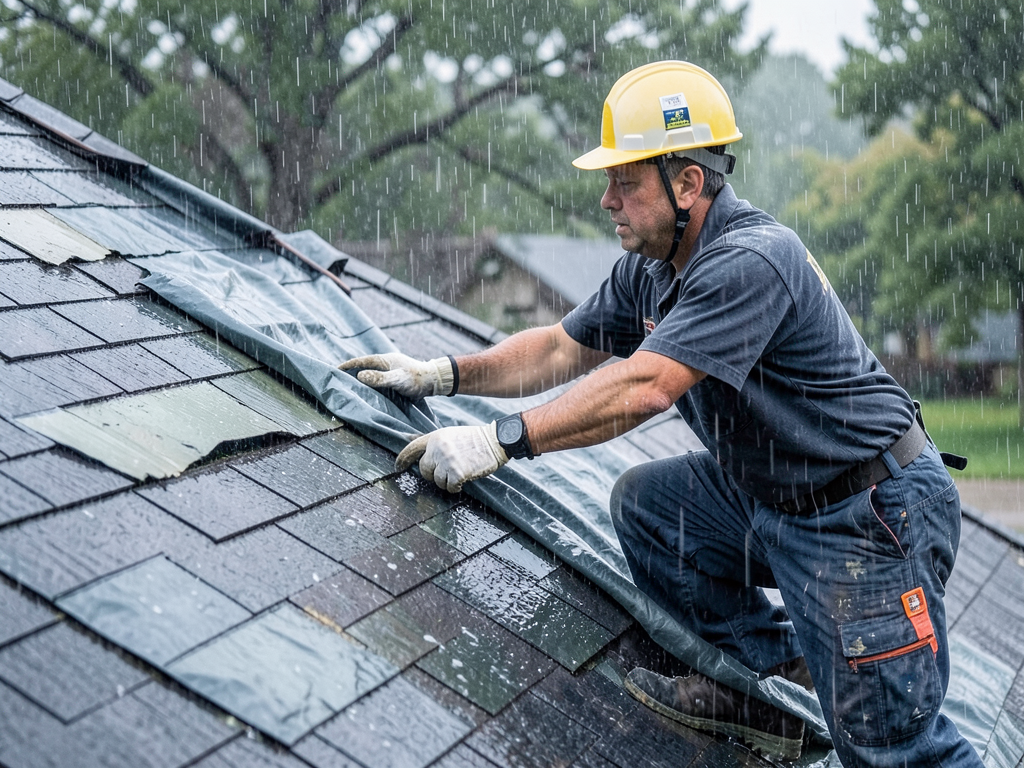
Emergency roofers focus on stopping active leaks first. This typically involves applying heavy duty tarps secured with battens or 2×4 boards to prevent wind uplift. The tarp extends at least 4 feet beyond the damaged area on all sides. For flat roofs emergency crews may apply emergency patch coatings or temporary membrane patches.
Beyond tarping professional emergency services include temporary structural stabilization if tree damage has compromised roof trusses or rafters. They perform leak detection using moisture meters to find hidden water intrusion paths. Many companies also provide temporary interior protection like plastic sheeting to contain dust and debris during repairs.
Full damage assessment follows the emergency stabilization. This includes inspecting decking for rot soft spots and checking attic spaces for compromised insulation. The assessment determines whether you need temporary repairs or a full replacement. Some emergency roofers also coordinate with insurance adjusters on site to streamline the claims process.
Understanding Baltimore County Roofing Permits
Major roof repairs in Dundalk require permits from Baltimore County. For emergency repairs the county allows work to begin immediately but you must apply for permits within 3 business days. The permit process ensures repairs meet current building codes including proper underlayment ice and water shield installation and correct fastener patterns.
Code requirements vary by roof type. Asphalt shingle roofs must meet Maryland’s cool roof standards which mandate specific solar reflectance ratings. Flat roofs require proper slope for drainage and approved membrane materials. Chimney and vent flashing must comply with International Building Code Section 1507. Emergency repairs should not bypass these requirements even when time is critical.
Your emergency roofer should handle permit applications as part of their service. They know the specific requirements for Dundalk’s mix of 1950s brick ranchers and newer vinyl sided homes. Working with a licensed local contractor ensures your repairs pass inspection and maintain your home’s value.
Navigating Insurance Claims for Storm Damage
Insurance companies often send adjusters within 24 to 48 hours after a major storm. However this timeline can extend during widespread events. Document your damage thoroughly before the adjuster arrives. This includes photos of the roof from multiple angles damage to interior finishes and any damaged personal property.
Keep all receipts for emergency services. Insurance policies typically cover reasonable emergency repair costs including tarping materials and temporary labor. Your emergency roofer can provide detailed invoices that itemize emergency services separately from permanent repairs. This helps your insurance company process the claim faster.
Be prepared for the adjuster to find additional damage not visible from the ground. Water can travel along rafters and show up far from the initial entry point. A professional roof inspection after the adjuster’s visit can reveal hidden damage that should be included in your claim. Most reputable roofers offer free inspections to identify these issues.
Common Storm Damage in Dundalk
Dundalk’s location near the Chesapeake Bay exposes roofs to specific damage patterns. High winds from nor’easters can lift shingle tabs even on relatively new roofs. The area’s humidity accelerates algae growth which can degrade asphalt shingles over time. Salt air from the bay can corrode metal flashing and fasteners.
Older homes in the Gray Manor area often have multiple layers of shingles which adds weight and makes them more vulnerable to wind damage. Many 1950s era homes have 3 tab shingles not designed for today’s higher wind speeds. These roofs may need complete replacement rather than repair after major storms.
Flat roof sections common on ranch style homes in North Point Village are particularly vulnerable to ponding water. Storms can overwhelm drainage systems causing water to back up under membrane seams. This type of damage often requires complete membrane replacement rather than spot repairs.
Emergency vs. Permanent Repair Timeline
The emergency phase focuses on stopping active leaks and preventing further damage. This work typically completes within 24 hours of your call. Your emergency roofer should provide a clear timeline for permanent repairs which depends on material availability and permit approvals.
Standard asphalt shingle repairs often complete within 3 to 5 business days after emergency stabilization. Custom materials like slate or tile may require 2 to 3 weeks for delivery. During busy storm seasons material shortages can extend these timelines. Your roofer should communicate realistic expectations and keep you updated on progress.
Insurance claim processing adds another layer of complexity. Some claims approve within days while others require multiple adjuster visits or supplemental documentation. Work with your roofer to create a phased approach that addresses immediate safety concerns while waiting for claim resolution.
Preventing Future Storm Damage
Regular roof maintenance prevents many emergency situations. Clean gutters twice yearly to prevent water backup during heavy rains. Trim tree branches that overhang your roof to reduce impact damage. Check flashing around chimneys vents and skylights annually for signs of separation or corrosion.
Consider impact resistant shingles if your home experiences frequent hail or wind damage. These Class 4 rated shingles can withstand impacts that would damage standard shingles. Proper attic ventilation also prevents ice dam formation which causes winter leaks. A well ventilated attic maintains consistent roof temperatures reducing the freeze thaw cycles that damage shingles.
Professional roof inspections every 2 to 3 years catch problems before they become emergencies. Inspectors check for loose fasteners cracked boots around pipes and signs of animal intrusion. Early detection often means simple repairs rather than emergency tarping and interior damage.
Why Local Experience Matters
Dundalk’s specific challenges require local knowledge. The area’s mix of 1950s construction and newer developments means roofers must understand multiple roofing systems. Local contractors know which suppliers stock materials quickly and understand Baltimore County’s inspection requirements.
Companies based in Dundalk or nearby areas can reach most homes within 30 minutes during emergencies. They understand local traffic patterns including I-695 congestion and know alternative routes to reach you faster. This proximity means faster response times and better communication throughout the repair process.
Local roofers also understand the community. They know which neighborhoods have active homeowners associations with specific requirements. They understand the architectural styles that define Dundalk from brick colonials to modern vinyl sided homes. This knowledge ensures repairs maintain your home’s character and comply with local expectations.
Cost Factors for Emergency Roofing
Emergency roofing costs vary based on damage extent materials needed and time of day. Standard emergency tarping typically ranges from $500 to $1500 depending on roof size and complexity. This includes materials labor and a warranty on the temporary repair.
Additional costs may include interior water damage repairs structural repairs if rafters are damaged and disposal of damaged materials. Your emergency roofer should provide a detailed written estimate before beginning permanent repairs. This estimate should break down costs for materials labor permits and disposal.
Insurance often covers emergency repairs minus your deductible. However coverage depends on your specific policy and the cause of damage. Wind and hail damage are typically covered but maintenance related issues may not be. Your roofer can help you understand what your insurance should cover based on their assessment.
Questions to Ask Your Emergency Roofer
Before hiring an emergency roofer ask specific questions about their process and qualifications. How quickly can they arrive at your location? What emergency services are included in their standard call out fee? Do they provide written estimates before beginning permanent repairs?
Ask about their warranty policies. Most emergency tarping includes a 30 day warranty on materials and workmanship. Permanent repairs should include longer warranties often 5 to 10 years depending on the material. Verify that warranty coverage is provided in writing.
Request information about their cleanup process. Emergency repairs can create debris and dust. A professional company should include complete cleanup in their service including removal of damaged materials and a final inspection to ensure no nails or debris remain in your yard.
Building Code Compliance in Emergency Repairs
Even emergency repairs must comply with Baltimore County building codes. The International Residential Code requires specific underlayment types for different roof slopes. Asphalt shingles must meet ASTM D225 standards for wind resistance. Flat roofs require proper slope and approved membrane materials.
Emergency repairs should not use substandard materials or bypass code requirements. Some storm chasers use lower quality materials to reduce costs but this often leads to faster failure and more expensive repairs later. Your emergency roofer should explain which code requirements apply to your specific repair.
Permit requirements depend on repair extent. Simple tarping typically does not require permits but replacing decking or major sections of roofing does. Your roofer should handle permit applications and ensure all work passes Baltimore County inspection.
24/7 Emergency Response in Dundalk
Emergency roofers in Dundalk understand that storms do not follow business hours. A true 24/7 service means live dispatchers answer calls at 2 AM during a thunderstorm not just voicemail. They should provide realistic arrival estimates and keep you updated if delays occur.
Look for companies with dedicated emergency response teams rather than sending regular crews to emergency calls. Emergency teams carry specialized equipment including multiple tarp sizes and temporary repair materials. They should arrive in clearly marked vehicles with proper safety equipment.
Communication is critical during emergencies. Your roofer should provide updates on arrival times progress and any issues discovered during the initial inspection. They should explain their repair plan including temporary stabilization and permanent repair options before beginning work.
Protecting Your Investment
Your home is likely your largest investment. Emergency roof repairs protect that investment by preventing water damage to structural elements insulation and interior finishes. Water damage can spread quickly causing mold growth and compromising structural integrity.
Choose an emergency roofer who views the situation as a partnership in protecting your home. They should explain not just what they will do but why each step matters. This education helps you make informed decisions about temporary versus permanent repairs.
Quality emergency repairs also maintain your home’s value. Code compliant repairs with proper documentation make future home sales smoother. Insurance companies look favorably on homeowners who address damage promptly and professionally.
Final Steps After Emergency Repairs
After emergency stabilization document all work completed. Keep copies of invoices permits and any correspondence with your insurance company. Take photos of the temporary repairs and any permanent repairs completed later.
Schedule a follow up inspection after permanent repairs complete. This ensures all work meets code requirements and your satisfaction. A quality roofer will address any concerns you have about the finished work.
Consider a maintenance plan to prevent future emergencies. Many roofers offer annual inspections that catch problems early. These inspections often pay for themselves by preventing costly emergency repairs.
Frequently Asked Questions
How quickly should I call an emergency roofer?
Call immediately when you notice active leaks or visible damage. Water can cause thousands in damage within hours. Most emergency roofers can tarp a roof within 2 to 4 hours of your call.
Will my insurance cover emergency roof repairs?
Most policies cover emergency repairs if caused by covered perils like wind or hail. You typically pay your deductible and the insurance covers the rest. Keep all receipts for emergency services.
How long do emergency tarp repairs last?
Quality emergency tarping should last 30 to 60 days. This provides time to get permits and schedule permanent repairs. Some materials can last longer in mild weather.
Can I do emergency repairs myself?
DIY emergency repairs are dangerous and often ineffective. Professional roofers have proper safety equipment and know how to secure tarps against wind. Insurance may not cover self repairs.
What if I cannot afford emergency repairs?
Many roofers offer financing options for emergency repairs. Some also work with insurance companies directly to streamline payment. Do not delay repairs due to cost concerns.
How do I know if damage requires a full replacement?
Multiple damaged areas widespread water damage or structural issues often require replacement. A professional inspection can determine if repairs or replacement makes more sense financially.
What should I do if a storm chaser contacts me?
Politely decline unsolicited offers. Verify any contractor’s license insurance and local references before hiring. Local contractors provide better accountability and warranty service.
How can I prevent future emergency repairs?
Regular maintenance including gutter cleaning and annual inspections prevents many emergencies. Address small problems promptly before they become major issues requiring emergency service.
Do emergency roofers work in bad weather?
Emergency roofers work in most weather conditions using proper safety equipment. They may delay work in extreme conditions like lightning or hurricane force winds.
What permits are needed for emergency repairs?
Simple tarping typically does not require permits. Major repairs need Baltimore County permits which your roofer should handle. Permits ensure code compliance and maintain home value.
How do I choose between repair and replacement?
Consider damage extent roof age and repair costs. If repairs exceed 50% of replacement cost or your roof is near end of life replacement often makes more sense.
What if my emergency repair fails?
Quality emergency repairs include warranties. If your temporary repair fails contact your roofer immediately. They should repair it at no additional cost if within warranty period.
How do I document damage for insurance?
Take clear photos of all damage including close ups and wider shots showing context. Document the date and time. Keep samples of damaged materials if possible.
Should I meet with the insurance adjuster?
Yes if possible. Your presence ensures all damage gets documented. Your roofer can also meet the adjuster to point out issues not visible from the ground.
What if my claim is denied?
Ask for a detailed explanation of the denial. You may need a second opinion from another roofer or additional documentation. Some denials can be appealed with more information.
- Initial Assessment
Emergency roofer evaluates damage and provides immediate stabilization options.
- Emergency Stabilization
Apply tarps or temporary patches to stop active leaks.
- Documentation
Take photos and measurements for insurance and permit applications.
- Permit Acquisition
Apply for required Baltimore County permits for permanent repairs.
- Permanent Repairs
Complete repairs using code compliant materials and methods.
- Final Inspection
Ensure all work passes inspection and meets warranty requirements.
Storm damage creates stress but acting quickly with the right emergency roofer prevents further damage to your Dundalk home. Remember that quality emergency repairs protect your investment and provide peace of mind during Maryland’s storm season.
Call (443) 455-9099 today to schedule your inspection and protect your home from further damage. For more information, visit FEMA emergency tarping guidelines.
{
“@context”: “https://schema.org”,
“@type”: “BlogPosting”,
“headline”: “Finding a Reliable Emergency Roofer in Dundalk After a Major Storm”,
“description”: “When storm damage hits Dundalk, you need a 24/7 emergency roofer who can stop leaks fast. Learn how to protect your home and what to expect from local experts.”,
“wordCount”: 2834,
“datePublished”: “2026-02-15T15:22:00.000Z”,
“dateModified”: “2026-02-15T15:22:00.000Z”,
“inLanguage”: “en-US”,
“mainEntityOfPage”: {
“@type”: “WebPage”,
“@id”: “https://aplusroofingbaltimore.com”
},
“publisher”: {
“@type”: “LocalBusiness”,
“name”: “A Plus Roofing Baltimore”,
“url”: “https://aplusroofingbaltimore.com”
},
“author”: {
“@type”: “Organization”,
“name”: “A Plus Roofing Baltimore”,
“url”: “https://aplusroofingbaltimore.com”
},
“image”: {
“@type”: “ImageObject”,
“url”: “https://aplusroofingbaltimore.com/wp-content/uploads/2026/03/finding-a-reliable-emergency-roofer-in-dundalk-aft-1.png”
}
}
{
“@context”: “https://schema.org”,
“@type”: “RoofingContractor”,
“name”: “A Plus Roofing Baltimore”,
“url”: “https://aplusroofingbaltimore.com”,
“address”: {
“@type”: “PostalAddress”,
“addressLocality”: “Baltimore”
},
“areaServed”: {
“@type”: “City”,
“name”: “Baltimore”
}
}
{
“@context”: “https://schema.org”,
“@type”: “FAQPage”,
“mainEntity”: [
{
“@type”: “Question”,
“name”: “How quickly should I call an emergency roofer?”,
“acceptedAnswer”: {
“@type”: “Answer”,
“text”: “Call immediately when you notice active leaks or visible damage. Water can cause thousands in damage within hours. Most emergency roofers can tarp a roof within 2 to 4 hours of your call.”
}
},
{
“@type”: “Question”,
“name”: “Will my insurance cover emergency roof repairs?”,
“acceptedAnswer”: {
“@type”: “Answer”,
“text”: “Most policies cover emergency repairs if caused by covered perils like wind or hail. You typically pay your deductible and the insurance covers the rest. Keep all receipts for emergency services.”
}
},
{
“@type”: “Question”,
“name”: “How long do emergency tarp repairs last?”,
“acceptedAnswer”: {
“@type”: “Answer”,
“text”: “Quality emergency tarping should last 30 to 60 days. This provides time to get permits and schedule permanent repairs. Some materials can last longer in mild weather.”
}
},
{
“@type”: “Question”,
“name”: “Can I do emergency repairs myself?”,
“acceptedAnswer”: {
“@type”: “Answer”,
“text”: “DIY emergency repairs are dangerous and often ineffective. Professional roofers have proper safety equipment and know how to secure tarps against wind. Insurance may not cover self repairs.”
}
},
{
“@type”: “Question”,
“name”: “What if I cannot afford emergency repairs?”,
“acceptedAnswer”: {
“@type”: “Answer”,
“text”: “Many roofers offer financing options for emergency repairs. Some also work with insurance companies directly to streamline payment. Do not delay repairs due to cost concerns.”
}
},
{
“@type”: “Question”,
“name”: “What should I do if a storm chaser contacts me?”,
“acceptedAnswer”: {
“@type”: “Answer”,
“text”: “Politely decline unsolicited offers. Verify any contractor’s license insurance and local references before hiring. Local contractors provide better accountability and warranty service.”
}
},
{
“@type”: “Question”,
“name”: “How can I prevent future emergency repairs?”,
“acceptedAnswer”: {
“@type”: “Answer”,
“text”: “Regular maintenance including gutter cleaning and annual inspections prevents many emergencies. Address small problems promptly before they become major issues requiring emergency service.”
}
},
{
“@type”: “Question”,
“name”: “Do emergency roofers work in bad weather?”,
“acceptedAnswer”: {
“@type”: “Answer”,
“text”: “Emergency roofers work in most weather conditions using proper safety equipment. They may delay work in extreme conditions like lightning or hurricane force winds.”
}
},
{
“@type”: “Question”,
“name”: “What permits are needed for emergency repairs?”,
“acceptedAnswer”: {
“@type”: “Answer”,
“text”: “Simple tarping typically does not require permits. Major repairs need Baltimore County permits which your roofer should handle. Permits ensure code compliance and maintain home value.”
}
},
{
“@type”: “Question”,
“name”: “How do I choose between repair and replacement?”,
“acceptedAnswer”: {
“@type”: “Answer”,
“text”: “Consider damage extent roof age and repair costs. If repairs exceed 50% of replacement cost or your roof is near end of life replacement often makes more sense.”
}
},
{
“@type”: “Question”,
“name”: “What if my emergency repair fails?”,
“acceptedAnswer”: {
“@type”: “Answer”,
“text”: “Quality emergency repairs include warranties. If your temporary repair fails contact your roofer immediately. They should repair it at no additional cost if within warranty period.”
}
},
{
“@type”: “Question”,
“name”: “How do I document damage for insurance?”,
“acceptedAnswer”: {
“@type”: “Answer”,
“text”: “Take clear photos of all damage including close ups and wider shots showing context. Document the date and time. Keep samples of damaged materials if possible.”
}
},
{
“@type”: “Question”,
“name”: “Should I meet with the insurance adjuster?”,
“acceptedAnswer”: {
“@type”: “Answer”,
“text”: “Yes if possible. Your presence ensures all damage gets documented. Your roofer can also meet the adjuster to point out issues not visible from the ground.”
}
},
{
“@type”: “Question”,
“name”: “What if my claim is denied?”,
“acceptedAnswer”: {
“@type”: “Answer”,
“text”: “Ask for a detailed explanation of the denial. You may need a second opinion from another roofer or additional documentation. Some denials can be appealed with more information.”
}
}
]
}
{
“@context”: “https://schema.org”,
“@type”: “HowTo”,
“name”: “Emergency Roof Repair Process”,
“step”: [
{
“@type”: “HowToStep”,
“position”: 1,
“name”: “Initial Assessment”,
“text”: “Emergency roofer evaluates damage and provides immediate stabilization options.”
},
{
“@type”: “HowToStep”,
“position”: 2,
“name”: “Emergency Stabilization”,
“text”: “Apply tarps or temporary patches to stop active leaks.”
},
{
“@type”: “HowToStep”,
“position”: 3,
“name”: “Documentation”,
“text”: “Take photos and measurements for insurance and permit applications.”
},
{
“@type”: “HowToStep”,
“position”: 4,
“name”: “Permit Acquisition”,
“text”: “Apply for required Baltimore County permits for permanent repairs.”
},
{
“@type”: “HowToStep”,
“position”: 5,
“name”: “Permanent Repairs”,
“text”: “Complete repairs using code compliant materials and methods.”
},
{
“@type”: “HowToStep”,
“position”: 6,
“name”: “Final Inspection”,
“text”: “Ensure all work passes inspection and meets warranty requirements.”
}
],
“image”: “https://aplusroofingbaltimore.com/wp-content/uploads/2026/03/finding-a-reliable-emergency-roofer-in-dundalk-aft-1.png”
}
{
“@context”: “https://schema.org”,
“@type”: “BreadcrumbList”,
“itemListElement”: [
{
“@type”: “ListItem”,
“position”: 1,
“name”: “Home”,
“item”: “https://aplusroofingbaltimore.com”
},
{
“@type”: “ListItem”,
“position”: 2,
“name”: “Blog”,
“item”: “https://aplusroofingbaltimore.com/blog”
},
{
“@type”: “ListItem”,
“position”: 3,
“name”: “Finding a Reliable Emergency Roofer in Dundalk After a Major Storm”
}
]
}
{
“@context”: “https://schema.org”,
“@type”: “Service”,
“serviceType”: “Roofing”,
“provider”: {
“@type”: “LocalBusiness”,
“name”: “A Plus Roofing Baltimore”,
“url”: “https://aplusroofingbaltimore.com”
},
“areaServed”: {
“@type”: “City”,
“name”: “Baltimore”
},
“description”: “When storm damage hits Dundalk, you need a 24/7 emergency roofer who can stop leaks fast. Learn how to protect your home and what to expect from local experts.”
}