
Copper roofing accents add timeless elegance to Original Northwood homes, but maintaining their beauty and function requires specialized knowledge of Baltimore’s unique climate and historic preservation standards. These architectural details demand more than standard roofing care. Flat Roof Repair for Baltimore Rowhouses — What Every Homeowner in Canton Needs to Know.
The copper bay windows, dormers, and porticos that define many Original Northwood residences face specific challenges from Maryland’s humid summers, occasional coastal storms, and freeze-thaw cycles. Understanding these environmental factors is the first step toward proper maintenance.
Understanding Copper Patina Development in Baltimore’s Climate
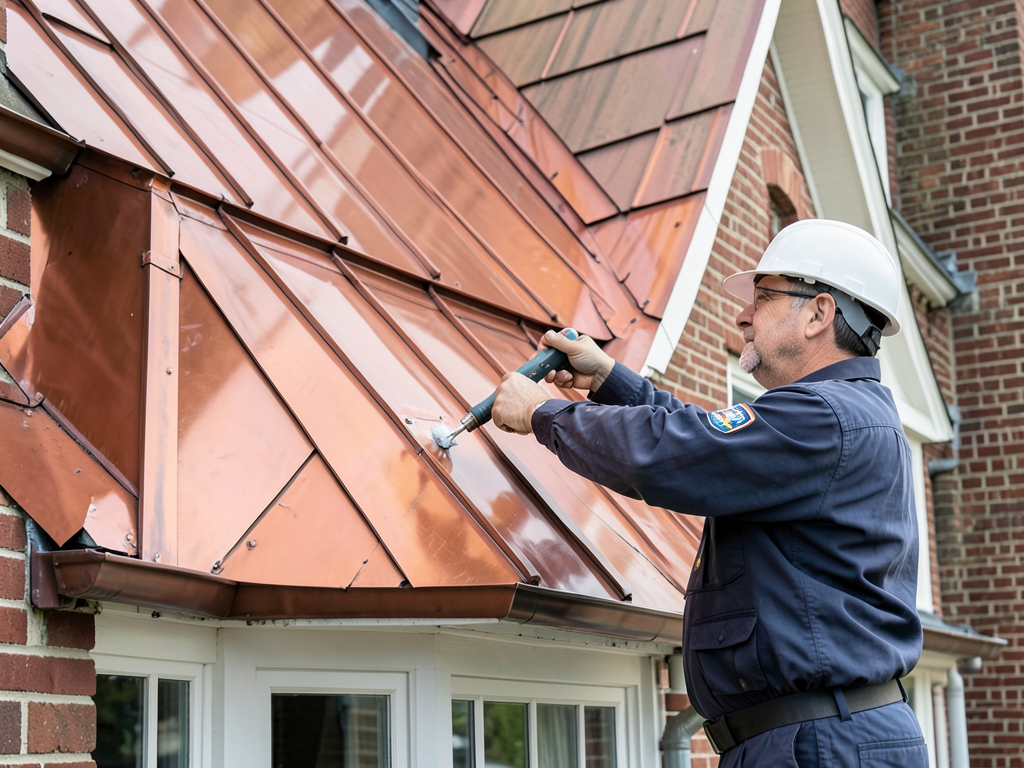
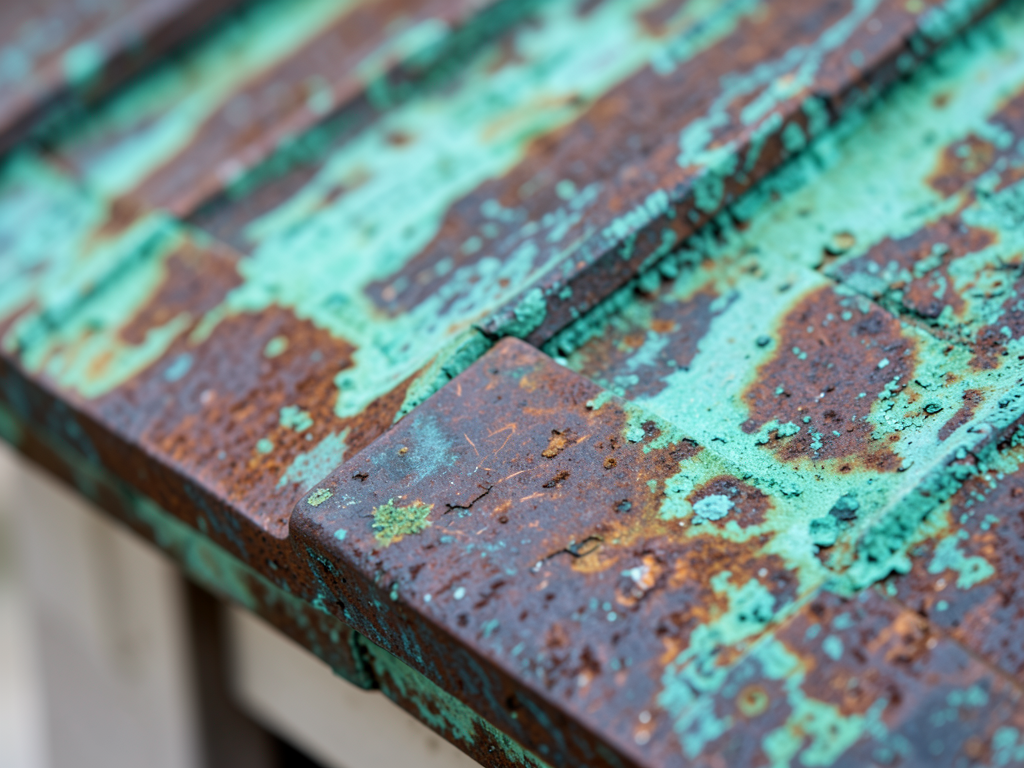
Copper undergoes a predictable transformation in the Mid-Atlantic region. Fresh copper installations display a salmon-pink hue that gradually transitions through brown to the characteristic blue-green verdigris patina. This process accelerates in Baltimore due to high humidity levels and the brackish air from the Chesapeake Bay.
The patina serves as a protective layer, preventing further corrosion. However, Baltimore’s climate creates unique conditions. The combination of salt air, industrial pollutants, and seasonal temperature swings can cause uneven patina development, particularly on north-facing surfaces that receive less direct sunlight.
During Baltimore’s humid summers, copper surfaces can develop a temporary black oxide layer before the final verdigris forms. This is normal but may concern homeowners unfamiliar with the process. The key is understanding that this progression protects the underlying metal. Installing a Metal Roof in Columbia — Is It Worth the Investment?.
Annual Copper Roof Inspection Checklist for Original Northwood Homes
Professional inspections should occur twice yearly, ideally in spring after winter storms and fall before harsh weather arrives. A comprehensive inspection examines both visible and hidden components.
Start with the seams and joints. Copper roofing relies on soldered connections that can fail due to thermal expansion and contraction. Look for gaps where sections meet, particularly around bay windows and dormers where structural movement is common.
Check the cleats and fasteners that secure copper sheets. Baltimore’s freeze-thaw cycles cause metal fasteners to expand and contract, potentially loosening over time. Pay special attention to areas where copper meets other materials, as galvanic corrosion can occur when dissimilar metals contact. Metal Retrofit Roofing.
Examine built-in gutters and downspouts for debris accumulation. Original Northwood’s mature trees shed leaves and twigs that can trap moisture against copper surfaces, accelerating corrosion in localized areas.
Inspect flashing around chimneys, vents, and other roof penetrations. These transition points experience the most stress and are common failure locations in Baltimore’s variable climate.
Cleaning vs. Preservation: Making the Right Choice
Many Original Northwood homeowners ask about cleaning copper roofing, but aggressive cleaning can damage the protective patina. The decision between cleaning and preservation depends on your aesthetic goals and the copper’s current condition.
Pressure washing is never appropriate for copper roofing. The high-pressure water can strip the patina, create dents, and force water under seams. Instead, gentle cleaning with pH-neutral solutions specifically formulated for copper removes surface dirt without damaging the protective layer.
For homes in Original Northwood’s historic district, preservation typically means maintaining the existing patina. The verdigris finish contributes to the neighborhood’s architectural character and may be required by local preservation guidelines.
If cleaning becomes necessary, use a soft brush and work with the grain of the metal. Harsh chemicals or abrasive materials can scratch the surface and create areas vulnerable to accelerated corrosion.
Consider applying a protective coating if you prefer the brown or salmon stages of copper. These clear coatings can extend the time between cleanings but require periodic reapplication, typically every 3-5 years in Baltimore’s climate.
Baltimore Weather Challenges for Copper Roofing
Baltimore’s weather patterns create specific challenges for copper roofing accents. Heavy snowfall in northern Baltimore County can accumulate on smooth copper surfaces, potentially causing stress at attachment points. The weight of wet snow combined with freeze-thaw cycles can test the integrity of soldered seams.
Summer thunderstorms bring another set of concerns. High winds can lift improperly secured copper panels, while driving rain tests the effectiveness of flashing and sealant joints. The brackish air from the Chesapeake Bay accelerates corrosion in areas where water tends to collect.
Ice dam formation presents a significant risk during severe winters. As snow melts and refreezes at roof edges, water can back up under copper panels, particularly around bay windows where the roof angle changes. Proper insulation and ventilation help prevent this issue.
Lightning strikes, while rare, can cause localized damage to copper roofing. The metal’s conductivity means a strike can create heat damage or warping in the immediate area. Surge protection for the home’s electrical system provides an additional layer of protection.
Repairing vs. Replacing Copper Flashing and Accents
When copper components show wear, the decision between repair and replacement depends on several factors. Original Northwood’s historic character often favors repair to maintain authenticity, but safety and functionality must take precedence. EPA Lead Information.
Soldered joints can be repaired by experienced craftsmen using techniques that match the original installation. Cold-applied sealants serve as temporary fixes but typically fail within a few years in Baltimore’s climate. Proper soldering creates joints that can last decades.
Galvanic corrosion occurs when copper contacts incompatible metals like aluminum or steel. This creates a battery effect that accelerates deterioration. When repairing such areas, always use compatible materials and install dielectric barriers between dissimilar metals.
Matching patina on replacement sections presents a challenge. New copper will eventually match the surrounding material, but the transition period can take several years. Some homeowners choose to accelerate patina development on new sections using chemical treatments.
Structural movement in older homes can cause stress at copper attachment points. Rather than replacing entire sections, consider installing expansion joints that allow for movement while maintaining weatherproofing.
Historic Preservation Compliance in Original Northwood
Original Northwood falls under Baltimore’s historic preservation guidelines, which affect how copper roofing can be maintained or modified. The Commission for Historical and Architectural Preservation (CHAP) requires that any exterior changes maintain the neighborhood’s historic character.
Before undertaking major repairs, consult CHAP guidelines or speak with a contractor familiar with local requirements. Some patina colors or cleaning methods may not be approved for visible surfaces in this historic district.
Documentation of original materials and construction methods helps ensure repairs maintain historical accuracy. Many Original Northwood homes feature specific copper installation techniques from the 1950s and 1960s that differ from modern practices.
Replacement materials should match the original as closely as possible. This includes not just the copper itself but also the gauge, finish, and installation methods. Using modern substitutes that don’t match the historical appearance can result in approval delays or rejection by preservation authorities.
Professional Maintenance Services for Copper Roofing
Call (443) 455-9099 today to schedule your copper roof inspection. Professional maintenance extends the life of your copper accents and prevents costly repairs.
Professional copper roofing services include detailed inspections using moisture meters to detect hidden water infiltration, thermal imaging to identify heat loss around copper components, and specialized cleaning that preserves the protective patina.
Experienced technicians understand the nuances of working with historic materials and can match repairs to existing installations. They also recognize early warning signs of potential problems before they become major issues.
Professional services typically include documentation of current conditions, recommendations for preventive maintenance, and estimates for any necessary repairs. This information proves valuable for both immediate planning and long-term budgeting.
Emergency repair services are available for sudden leaks or storm damage. Quick response prevents water damage to interior finishes and structural components, particularly important in Original Northwood’s older homes where water infiltration can cause significant problems.
Cost Considerations for Copper Roof Maintenance
Professional copper roof maintenance in Baltimore typically costs between $500-$1,500 for a comprehensive inspection and minor repairs, depending on the size of your home and the extent of the work needed. This represents a small investment compared to the cost of replacing damaged copper accents. How Much a New Roof Costs in Towson (2026 Estimates).
Preventive maintenance costs significantly less than emergency repairs. A $200 cleaning and inspection can identify problems that might cost $2,000-$5,000 to repair if left unaddressed until major failure occurs.
Insurance considerations also factor into maintenance decisions. Some insurers offer premium discounts for documented regular maintenance of historic features, recognizing that well-maintained homes present lower risk.
The long-term value of copper roofing accents extends beyond immediate functionality. These features contribute significantly to Original Northwood home values, with well-maintained copper often adding 5-10% to property values compared to similar homes without these architectural details.
Seasonal Maintenance Calendar for Original Northwood Homes
Spring maintenance focuses on winter damage assessment. Check for lifted seams, damaged flashing, and debris accumulation in gutters. Clean gutters and downspouts to ensure proper drainage during spring rains.
Summer maintenance addresses heat-related issues. Inspect for thermal expansion damage, check attic ventilation to prevent ice dam formation next winter, and look for signs of pest intrusion around copper components.
Fall maintenance prepares for winter weather. Clean all debris from roof surfaces and gutters, inspect seals around penetrations, and ensure downspouts direct water away from the foundation.
Winter maintenance involves monitoring during and after storms. Remove heavy snow accumulation from roof edges if safe to do so, check for ice dam formation, and address any immediate leaks before they cause interior damage.
Year-round vigilance pays dividends. Small problems caught early typically cost 80% less to repair than issues discovered after major damage occurs.
Common Copper Roofing Problems in Baltimore
Galvanic corrosion represents the most common failure mode in Baltimore’s copper roofing. When copper contacts incompatible metals, particularly in areas with salt air exposure, deterioration accelerates dramatically. Look for white powdery deposits or pitting along metal joints.
Thermal expansion and contraction cause seams to open over time. Baltimore’s temperature swings, particularly in spring and fall, stress soldered joints. Listen for popping sounds during temperature changes as metal moves.
Debris accumulation creates moisture traps that accelerate local corrosion. Pine needles, oak leaves, and other organic material hold moisture against copper surfaces, creating conditions for accelerated deterioration.
Improper cleaning or maintenance can damage copper roofing. Using acidic cleaners, abrasive materials, or high-pressure water strips the protective patina and creates areas vulnerable to accelerated corrosion.
Structural movement in older homes stresses copper attachment points. As foundations settle or framing members shift, copper panels can separate from their mounts, creating gaps for water infiltration.
Benefits of Professional Copper Roof Maintenance
Professional maintenance extends copper roof life expectancy from 50-75 years to 100+ years with proper care. This longevity makes copper one of the most cost-effective roofing materials over its lifetime despite higher initial costs.
Regular maintenance preserves the architectural integrity of Original Northwood homes. The neighborhood’s character depends on maintaining original materials and details, contributing to both individual property values and community appeal.
Professional services include detailed documentation that proves valuable for insurance claims, home sales, and historic preservation compliance. This documentation establishes a maintenance history that demonstrates responsible ownership.
Early problem detection prevents cascade failures. A small leak at a seam can lead to extensive water damage, mold growth, and structural deterioration if left unaddressed. Professional inspections catch these issues while repairs remain simple and inexpensive.
Peace of mind represents an often-overlooked benefit. Knowing your copper roofing accents are properly maintained allows you to enjoy their beauty without worrying about sudden failures or extensive damage.
Choosing the Right Copper Roofing Contractor
Not all roofing contractors have experience with copper accents. Look for specialists who understand Baltimore’s specific climate challenges and historic preservation requirements. Ask about their experience with Original Northwood homes specifically.
Verify credentials including Maryland Home Improvement Commission (MHIC) licensing, insurance coverage, and any specialized certifications for historic preservation work. Experience with copper roofing should be clearly demonstrated through project portfolios.
Request references from Original Northwood homeowners or similar historic district properties. Speaking with previous clients provides insight into the contractor’s work quality, reliability, and understanding of local requirements.
Obtain detailed written estimates that specify materials, methods, and timelines. Vague proposals often lead to misunderstandings about scope, quality, and final costs.
Consider contractors who offer maintenance agreements. These programs ensure regular inspections and often include priority service for emergency repairs, providing both convenience and potential cost savings.
Frequently Asked Questions
How often should copper roofing accents be inspected?
Copper roofing accents should be professionally inspected twice yearly, typically in spring and fall. These inspections identify potential problems before they cause damage and ensure your copper components remain in optimal condition. Getting Your Roof Inspected Before Buying a Home in Locust Point.
Can I clean my copper roof myself?
DIY cleaning of copper roofing is not recommended. Improper cleaning methods can damage the protective patina and create areas vulnerable to accelerated corrosion. Professional cleaning uses specialized techniques and materials that preserve the copper’s integrity.
How long does copper roofing last in Baltimore’s climate?
With proper maintenance, copper roofing accents can last 100+ years in Baltimore’s climate. The protective patina prevents further corrosion, and regular inspections catch potential problems before they cause major damage.
Will my insurance cover copper roof repairs?
Most homeowner’s insurance policies cover sudden damage to copper roofing from covered perils like storms or falling trees. However, damage from lack of maintenance is typically not covered. Some insurers offer premium discounts for documented regular maintenance of historic features.
What causes the green patina on copper roofs?
The green patina, called verdigris, forms through a natural oxidation process. In Baltimore’s humid climate with salt air exposure, copper reacts with moisture, oxygen, and atmospheric pollutants to create this protective layer that prevents further corrosion.
Protecting Your Investment
Copper roofing accents represent both a significant financial investment and a key architectural feature of your Original Northwood home. Proper maintenance protects this investment while preserving the character that makes your neighborhood special.
The combination of Baltimore’s climate challenges and the historic nature of Original Northwood homes makes professional maintenance particularly important. Generic roofing advice often doesn’t apply to these specialized systems.
Understanding the specific needs of copper roofing in this environment allows you to make informed decisions about maintenance, repairs, and preservation. This knowledge helps you avoid costly mistakes and ensures your copper accents remain beautiful and functional for generations.
Don’t wait for problems to develop. Call (443) 455-9099 today to schedule your copper roof inspection and maintenance service. Our experienced technicians understand the unique requirements of Original Northwood homes and can help preserve your copper roofing accents for decades to come. For more information, visit National Park Service Copper Cleaning Guidelines.
{
“@context”: “https://schema.org”,
“@type”: “BlogPosting”,
“headline”: “Preserving the Beauty and Function of Copper Roofing Accents in Original Northwood”,
“description”: “Expert copper roof maintenance for Original Northwood homes. Learn Baltimore-specific care techniques, patina preservation, and professional inspection services.”,
“wordCount”: 2398,
“datePublished”: “2026-04-05T13:41:00.000Z”,
“dateModified”: “2026-04-05T13:41:00.000Z”,
“inLanguage”: “en-US”,
“mainEntityOfPage”: {
“@type”: “WebPage”,
“@id”: “https://aplusroofingbaltimore.com”
},
“publisher”: {
“@type”: “LocalBusiness”,
“name”: “A Plus Roofing Baltimore”,
“url”: “https://aplusroofingbaltimore.com”
},
“author”: {
“@type”: “Organization”,
“name”: “A Plus Roofing Baltimore”,
“url”: “https://aplusroofingbaltimore.com”
},
“image”: {
“@type”: “ImageObject”,
“url”: “https://aplusroofingbaltimore.com/wp-content/uploads/2026/03/preserving-the-beauty-and-function-of-copper-roofi-1.png”
}
}
{
“@context”: “https://schema.org”,
“@type”: “RoofingContractor”,
“name”: “A Plus Roofing Baltimore”,
“url”: “https://aplusroofingbaltimore.com”,
“address”: {
“@type”: “PostalAddress”,
“addressLocality”: “Baltimore”
},
“areaServed”: {
“@type”: “City”,
“name”: “Baltimore”
}
}
{
“@context”: “https://schema.org”,
“@type”: “FAQPage”,
“mainEntity”: [
{
“@type”: “Question”,
“name”: “How often should copper roofing accents be inspected?”,
“acceptedAnswer”: {
“@type”: “Answer”,
“text”: “Copper roofing accents should be professionally inspected twice yearly, typically in spring and fall. These inspections identify potential problems before they cause damage and ensure your copper components remain in optimal condition. Getting Your Roof Inspected Before Buying a Home in Locust Point.”
}
},
{
“@type”: “Question”,
“name”: “Can I clean my copper roof myself?”,
“acceptedAnswer”: {
“@type”: “Answer”,
“text”: “DIY cleaning of copper roofing is not recommended. Improper cleaning methods can damage the protective patina and create areas vulnerable to accelerated corrosion. Professional cleaning uses specialized techniques and materials that preserve the copper’s integrity.”
}
},
{
“@type”: “Question”,
“name”: “How long does copper roofing last in Baltimore’s climate?”,
“acceptedAnswer”: {
“@type”: “Answer”,
“text”: “With proper maintenance, copper roofing accents can last 100+ years in Baltimore’s climate. The protective patina prevents further corrosion, and regular inspections catch potential problems before they cause major damage.”
}
},
{
“@type”: “Question”,
“name”: “Will my insurance cover copper roof repairs?”,
“acceptedAnswer”: {
“@type”: “Answer”,
“text”: “Most homeowner’s insurance policies cover sudden damage to copper roofing from covered perils like storms or falling trees. However, damage from lack of maintenance is typically not covered. Some insurers offer premium discounts for documented regular maintenance of historic features.”
}
},
{
“@type”: “Question”,
“name”: “What causes the green patina on copper roofs?”,
“acceptedAnswer”: {
“@type”: “Answer”,
“text”: “The green patina, called verdigris, forms through a natural oxidation process. In Baltimore’s humid climate with salt air exposure, copper reacts with moisture, oxygen, and atmospheric pollutants to create this protective layer that prevents further corrosion.”
}
}
]
}
{
“@context”: “https://schema.org”,
“@type”: “BreadcrumbList”,
“itemListElement”: [
{
“@type”: “ListItem”,
“position”: 1,
“name”: “Home”,
“item”: “https://aplusroofingbaltimore.com”
},
{
“@type”: “ListItem”,
“position”: 2,
“name”: “Blog”,
“item”: “https://aplusroofingbaltimore.com/blog”
},
{
“@type”: “ListItem”,
“position”: 3,
“name”: “Preserving the Beauty and Function of Copper Roofing Accents in Original Northwood”
}
]
}
{
“@context”: “https://schema.org”,
“@type”: “Service”,
“serviceType”: “Roofing”,
“provider”: {
“@type”: “LocalBusiness”,
“name”: “A Plus Roofing Baltimore”,
“url”: “https://aplusroofingbaltimore.com”
},
“areaServed”: {
“@type”: “City”,
“name”: “Baltimore”
},
“description”: “Expert copper roof maintenance for Original Northwood homes. Learn Baltimore-specific care techniques, patina preservation, and professional inspection services.”
}