
Your slate roof is more than just protection from Baltimore’s weather. It’s a piece of Roland Park’s architectural heritage. These century-old roofs require specialized knowledge to restore properly without violating historic preservation laws or damaging irreplaceable materials. Baltimore Commission for Historical and Architectural Preservation.
Roland Park’s stately homes feature Vermont gray, Buckingham, and Peach Bottom slate installed between 1900 and 1930. The neighborhood’s distinct architectural character depends on maintaining these original materials. However, Baltimore’s freeze-thaw cycles, heavy summer storms, and mature tree canopies create unique challenges for these historic roofs. Flat Roof Repair for Baltimore Rowhouses — What Every Homeowner in Canton Needs to Know.
Before touching a single slate, you need to understand local regulations. The Roland Park Historic District falls under Baltimore’s Commission for Historical and Architectural Preservation (CHAP) guidelines. Any exterior modifications require CHAP approval, and improper slate replacement can trigger fines or mandatory restoration. Industrial Roof Replacement.
Common issues in Roland Park include slipped slates from copper nail corrosion, ice damming on original box gutters, and failed flashing around dormers. The mature oak and maple trees that give Roland Park its charm also drop limbs that crack slate. Salt air from the Chesapeake Bay accelerates copper deterioration in these historic roofing systems.
Material matching proves critical for historic compliance. Modern slate often lacks the color variation and thickness of century-old roofing. Vermont Gray slate remains the most common original material in Roland Park, but matching requires sourcing from the same quarries or finding salvaged pieces from demolition projects.
Copper flashing and box gutters require equal attention. These systems age alongside the slate and often fail first. Proper restoration means either salvaging original copper or sourcing matching materials that will develop the same patina over time. Mixing metals or using incompatible materials creates galvanic corrosion that destroys the entire roofing system. Installing a Metal Roof in Columbia — Is It Worth the Investment?.
Restoration work demands specialized tools and techniques. Slaters use hammers with offset heads, slate hooks for lifting damaged pieces, and copper nails that won’t react with the slate. Each replacement slate must be hand-trimmed to fit existing patterns. Walking on slate roofs requires knowledge of weight distribution to prevent cracking.
The restoration process begins with a thorough inspection. Technicians check for cracked slates, loose flashing, deteriorated underlayment, and structural issues. They document every finding with photos and create a restoration plan that maintains the roof’s historic character while addressing current problems.
Sourcing materials often takes weeks. Salvage yards across Maryland and Pennsylvania hold stocks of century-old slate. When matching proves impossible, new slate from the same quarries as the original provides the best alternative. The goal remains maintaining visual continuity from the street.
Installation requires precision. Each slate must overlap correctly to shed water. Head-lap measurements must match the original pattern. Copper nails must be driven at the proper angle to prevent cracking. The entire process demands patience and attention to historic detail.
Ice and water shield installation under historic slate requires special consideration. Modern underlayments improve weather protection but must be compatible with original materials. Some historic districts require breathable felt paper instead of synthetic membranes to maintain the roof’s original ventilation characteristics.
Snow guards prevent dangerous sliding on steep historic roofs. These devices must match original patterns or be installed discreetly to preserve the roof’s historic appearance. Improper snow guard installation can damage slate edges and create new leak points.
Regular maintenance extends slate roof life by decades. Annual inspections catch problems before they require major restoration. Cleaning removes moss and algae that trap moisture against the slate. Gutter cleaning prevents ice dam formation that forces water under slates.
Cost factors vary widely based on roof complexity, slate availability, and restoration extent. Simple repairs might cost $1,500 to $3,000 while complete restorations of large historic homes can exceed $50,000. The investment protects both your home’s value and Roland Park’s architectural heritage.
Insurance considerations matter for historic homes. Standard policies often undervalue slate roofs or exclude historic material coverage. Specialty insurance through companies familiar with historic properties provides better protection for these unique roofing systems.
Emergency repairs require immediate attention to prevent water damage to historic interiors. Temporary tarps protect while sourcing matching slate. Quick response prevents the cascade of damage that occurs when water penetrates historic plaster and woodwork.
Local expertise makes the difference between proper restoration and costly mistakes. Baltimore’s climate, soil conditions, and architectural history create unique challenges. Contractors familiar with Roland Park’s specific requirements understand these nuances and navigate CHAP approval processes efficiently.
Documentation proves essential for historic compliance. Before-and-after photos, material specifications, and CHAP approval copies protect homeowners from future disputes. This documentation also helps maintain the home’s historic register status if applicable.
Common Slate Roof Problems in Roland Park
Understanding typical failure patterns helps identify problems early. Roland Park’s mature trees create specific damage patterns. Wind throws limbs that crack individual slates. Accumulated leaves trap moisture against the roof edge. Tree sap and bird droppings accelerate copper deterioration.
Freeze-thaw cycles in Baltimore’s climate cause slate delamination. Water enters microscopic cracks, freezes, and expands. Over years, this process creates the characteristic flaking seen on older roofs. Southern exposures weather faster due to greater temperature swings.
Copper flashing failures often precede slate problems. As copper corrodes, it loses structural integrity. Nails pull free. Flashing separates from chimneys and walls. Water follows these paths into the roof structure. Early copper failure indicates the need for comprehensive inspection.
Box gutter deterioration represents another common issue. These historic drainage systems often contain original wood liners that rot over time. Failed box gutters dump water against foundation walls. The resulting moisture problems can extend far beyond the roof structure.
Slate quality varies significantly even within the same roof. Ribbon slates contain mineral streaks that create weakness. These slates often fail first, creating irregular patterns of damage. Identifying ribbon slate helps prioritize replacement efforts.
Material Matching Process
Finding matching slate requires research and patience. Original installation records sometimes exist in building permits or historic archives. These documents identify the quarry and slate type used. When records don’t exist, visual matching guides the selection process.
Color matching proves most critical for historic compliance. Vermont Gray slate ranges from light silver to dark charcoal. The exact shade affects the home’s street appearance significantly. Sample boards help homeowners visualize the final result before committing to large purchases.
Thickness matching ensures proper water shedding. Original slates typically measure 3/16 to 1/4 inch thick. Modern equivalents often differ slightly. These thickness variations affect how water flows across the roof surface and can create visible lines if mismatched.
Surface texture matching maintains the roof’s historic character. New slate often appears too smooth compared to weathered originals. Some suppliers offer tumbled or reclaimed slate that better matches existing surfaces. The goal remains creating visual continuity from the street.
Salvage sources provide another option. Demolition companies often recover slate from buildings undergoing total replacement. These pieces carry the weathered appearance of century-old roofing. The trade-off involves limited availability and variable quality.
Restoration vs Replacement Decision
Many homeowners face the restoration versus replacement dilemma. Complete slate replacement costs significantly more than asphalt shingle installation. However, slate roofs last 75 to 100 years when properly maintained. The long-term cost analysis often favors restoration. How Much a New Roof Costs in Towson (2026 Estimates).
Structural considerations affect this decision. Original roof decks built for slate may not support modern roofing materials adequately. Adding new slate over existing requires assessing the current structure’s load capacity. Some homes need reinforcement before restoration can proceed.
Historic designation impacts this choice strongly. CHAP guidelines often require maintaining original materials when feasible. Complete replacement with non-matching materials can trigger fines or mandatory restoration. Understanding these requirements before starting prevents costly mistakes.
Energy efficiency concerns influence modern restoration. Original slate roofs lacked insulation compared to modern standards. Adding insulation during restoration improves comfort but must be done without compromising the roof’s historic character or ventilation requirements.
Cost-benefit analysis should include property value impacts. Historic homes with original or properly restored slate roofs command premium prices in Roland Park. The investment often pays returns through increased property values and lower long-term maintenance costs.
Local Regulations and Compliance
Baltimore’s historic preservation guidelines require CHAP approval for exterior modifications. The approval process examines material choices, installation methods, and visual impact. Applications must include detailed plans, material samples, and contractor qualifications.
Maryland state historic tax credits provide financial incentives for qualified restoration work. These programs require following specific guidelines and using certified contractors. The paperwork burden increases but the financial benefits often justify the effort.
Local building codes intersect with historic requirements. Modern codes address fire safety, wind resistance, and energy efficiency. Restoration work must balance these requirements with historic preservation goals. Experienced contractors navigate these sometimes conflicting requirements successfully.
Environmental regulations affect material disposal and chemical use. Lead paint on original flashing requires special handling. Solvent use for cleaning must meet current environmental standards. Compliance with these regulations protects both workers and the environment.
Insurance requirements may exceed code minimums for historic properties. Some insurers require specific underlayment types or additional fastening methods. Understanding these requirements before starting prevents coverage gaps or claim denials.
Finding Qualified Contractors
Slate roof restoration requires specialized skills rare in the general contracting market. Look for contractors with specific slate experience, not just general roofing knowledge. Ask for examples of similar historic restoration projects in Baltimore.
Certifications from the National Slate Association indicate specialized training. Members must demonstrate knowledge of slate properties, installation techniques, and historic preservation principles. These credentials separate qualified contractors from general roofers. National Slate Association certification.
References from Roland Park homeowners provide valuable insights. Ask about communication, cleanup, and problem-solving approaches. Historic restoration often reveals unexpected issues requiring flexible, knowledgeable responses.
Insurance coverage must specifically include slate work. General liability policies often exclude slate roofing due to the specialized nature and high value. Verify coverage before signing contracts to protect against liability issues.
Written contracts should detail every aspect of the restoration. Material specifications, installation methods, and cleanup procedures need clear documentation. Payment schedules tied to completion milestones protect both parties throughout the project.
Maintenance After Restoration
Proper maintenance protects your restoration investment. Annual inspections catch problems while they remain minor. Look for cracked slates, loose flashing, and debris accumulation. Document findings to track roof condition over time.
Gutter maintenance prevents ice dam formation. Clean gutters twice yearly, more often if surrounded by mature trees. Check downspout connections and ensure water flows away from foundation walls. Proper drainage prevents many slate roof problems.
Tree management reduces roof damage risk. Trim branches that overhang the roof. Remove dead trees that could fall during storms. Consider the mature tree canopy’s impact when planning future landscape changes.
Interior inspections reveal roof problems early. Water stains on ceilings or walls indicate roof leaks. Musty odors suggest moisture problems. Address these signs promptly to prevent extensive damage to historic interiors.
Professional cleaning extends slate life. Moss and algae trap moisture against the slate surface. Gentle cleaning removes these growths without damaging the slate. Avoid high-pressure washing that can crack or delaminate slate.
Cost Factors and Budgeting
Restoration costs vary based on multiple factors. Roof size and complexity affect labor requirements significantly. Steep pitches and multiple dormers increase installation time and risk. These factors multiply the overall project cost.
Material availability impacts budgeting. Rare slate colors or salvaged materials often cost more than standard options. Lead times for special orders can extend project schedules. Build flexibility into both budget and timeline for material sourcing.
Structural repairs add unexpected costs. Rotted decking, damaged rafters, or inadequate ventilation discovered during restoration require additional work. Contingency funds of 15-20% cover these common discoveries.
Permit and inspection fees vary by jurisdiction. CHAP review fees, building permits, and final inspections add to project costs. Some historic districts require multiple inspections throughout the restoration process.
Long-term cost analysis often favors restoration over replacement. Slate roofs need minimal maintenance compared to other materials. The 75 to 100-year lifespan means fewer replacements over a home’s lifetime. Calculate total ownership costs when making decisions.
Emergency Response Planning
Storm damage requires immediate attention on historic roofs. Water penetration can destroy plaster, woodwork, and personal belongings within hours. Emergency tarping prevents further damage while permanent repairs are arranged.
Emergency contacts should be established before problems occur. Keep contractor information readily available. Understand insurance claim procedures for storm damage. Quick response minimizes both property damage and restoration costs.
Temporary protection methods matter. Improper tarping can damage slate edges or create new leak points. Experienced contractors know how to protect roofs without causing additional harm. Avoid DIY emergency measures that might void warranties or insurance coverage.
Documentation helps insurance claims. Photos of damage before temporary repairs, receipts for emergency services, and contractor estimates support claim processing. Keep copies of all communications with insurance companies.
Follow-up inspections ensure temporary repairs held through subsequent weather. Check for new leaks after storms. Verify that temporary measures didn’t create additional problems. Complete permanent repairs as weather permits.
Energy Efficiency Considerations
Historic slate roofs often lack modern insulation standards. Restoration provides opportunities to improve energy efficiency without compromising historic character. Proper insulation reduces heating and cooling costs while maintaining the roof’s original appearance.
Ventilation requirements affect insulation choices. Slate roofs need airflow to prevent moisture accumulation in the attic space. Insulation must allow this ventilation while providing thermal protection. Balance energy efficiency with historic preservation requirements.
Solar integration poses challenges for historic roofs. Solar panels mounted on slate can damage the roofing material. Alternative mounting systems or ground-mounted arrays may better serve historic preservation goals while providing renewable energy benefits.
Reflective coatings can improve energy efficiency. Some modern coatings reduce heat absorption without changing the slate’s appearance significantly. Check historic district guidelines before applying any surface treatments.
Windows and skylights integration affects overall energy performance. Adding these features during restoration improves natural lighting but requires careful flashing to prevent leaks. Consider energy-efficient glazing options that maintain historic appearances.
Future Trends in Slate Restoration
Technology improves historic restoration methods. Thermal imaging detects moisture problems without removing slates. Drone inspections provide safe roof assessments. These tools reduce restoration costs while improving diagnostic accuracy.
Sustainable practices gain importance in historic restoration. Recycling removed materials, using eco-friendly cleaning products, and minimizing waste align with both historic preservation and environmental goals. These practices often reduce overall project costs.
Material science advances create better matching options. New manufacturing techniques produce slate with more consistent color and strength. Improved underlayment materials provide better protection while maintaining breathability requirements.
Training programs address the skilled labor shortage in slate restoration. Apprenticeship programs pass traditional skills to new generations. Certification programs establish industry standards for historic restoration work.
Community education increases historic preservation awareness. Neighborhood associations share information about proper maintenance and qualified contractors. This collective knowledge protects the architectural heritage of areas like Roland Park.
Frequently Asked Questions
How long does slate roof restoration take?
Most slate roof restorations require 2 to 6 weeks depending on roof size, weather conditions, and material availability. Complex historic restorations with custom matching may extend to 8-12 weeks.
Can I walk on my slate roof for inspections?
Walking on slate roofs requires specialized knowledge and equipment. Improper walking techniques can crack slates and cause expensive damage. Professional inspections use scaffolding or specialized roof jacks to protect the roofing material.
How much does slate roof restoration cost in Roland Park?
Restoration costs typically range from $1,500 to $3,000 for minor repairs and $25,000 to $75,000 for complete historic restorations. Factors affecting cost include roof complexity, slate availability, and extent of structural repairs needed.
How long will my restored slate roof last?
Properly restored slate roofs can last 75 to 100 years or more. The key factors are material quality, installation expertise, and ongoing maintenance. Many historic slate roofs in Roland Park have already exceeded their 100th birthday.
Do I need CHAP approval for slate repairs?
CHAP approval is required for any exterior modifications visible from public rights-of-way in the Roland Park Historic District. This includes slate replacement, flashing repairs, and gutter modifications. Minor repairs using matching materials may qualify for expedited review.
What causes slate roofs to fail?
Common failure causes include freeze-thaw cycles causing delamination, copper nail corrosion allowing slates to slip, tree damage from falling limbs, and poor flashing installation. Most failures result from a combination of these factors over time.
Can slate be repaired or must it be replaced?
Individual cracked or slipped slates can be repaired without replacing the entire roof. Skilled slaters remove damaged pieces and install matching replacements. This targeted approach preserves the original roof while addressing specific problems.
How do I maintain my restored slate roof?
Annual professional inspections, twice-yearly gutter cleaning, and prompt attention to any signs of damage maintain slate roof integrity. Avoid walking on the roof and trim trees to prevent limb damage. Professional cleaning every 5-7 years removes damaging moss and algae.
Are there tax incentives for slate roof restoration?
Maryland offers state historic tax credits for qualified restoration work on designated historic properties. Federal tax credits may also apply. These programs require following specific guidelines and using certified contractors. Check with CHAP and state historic preservation offices for current programs. Why Your Federal Hill Flat Roof is Leaking and How to Fix It for Good.
What should I look for in a slate roof contractor?
Look for contractors with specific slate experience, National Slate Association certifications, and references from similar historic restoration projects. Verify insurance coverage includes slate work specifically. Ask about experience with CHAP approval processes and historic preservation requirements.
- Schedule Professional Inspection
Contact a slate roofing specialist to assess your roof’s condition and identify needed repairs.
- Document Existing Conditions
Take photos of current roof condition and note any visible damage or leaks.
- Research Historic Requirements
Check CHAP guidelines and local historic district requirements before starting any work.
- Obtain Multiple Bids
Get detailed proposals from qualified slate contractors with historic restoration experience.
- Verify Insurance Coverage
Ensure your homeowner’s insurance covers slate roof restoration and historic materials.
- Plan for Contingencies
Budget 15-20% extra for unexpected repairs discovered during restoration.
- Schedule Work During Dry Season
Plan restoration during Baltimore’s drier months to minimize weather delays.
- Arrange Temporary Protection
Have tarps ready for emergency protection if storms occur during restoration.
- Maintain After Restoration
Set up annual inspection schedule and establish maintenance routine to protect your investment.
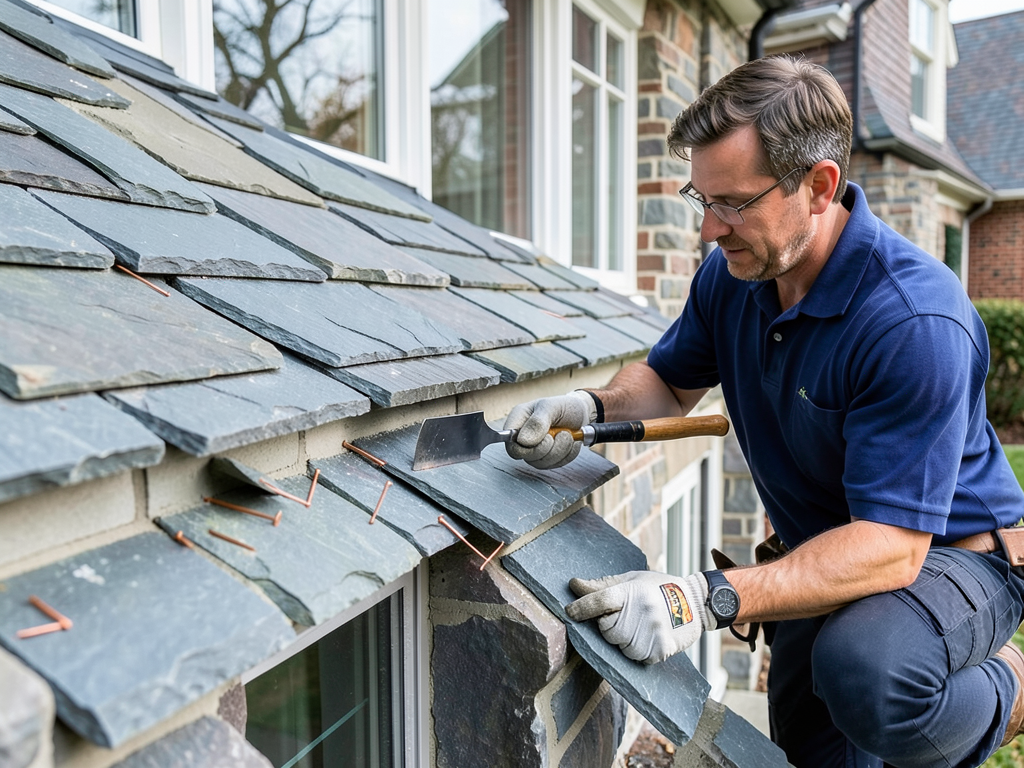
Diagram showing proper slate overlap patterns and head-lap measurements for historic roofing restoration.
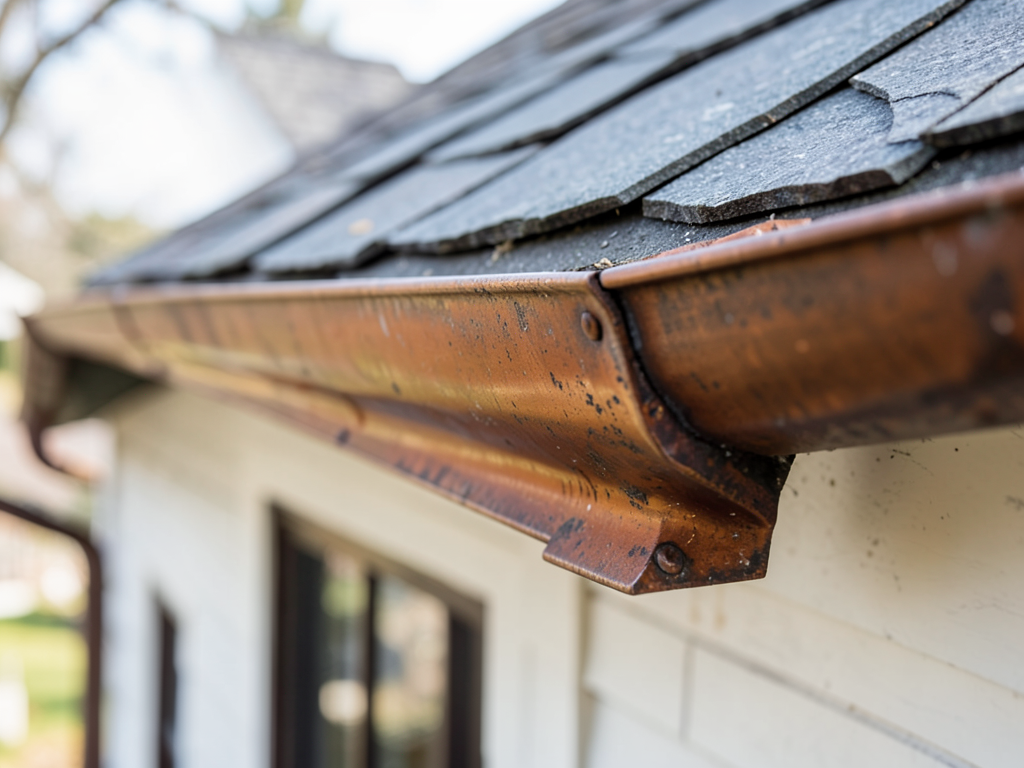
Close-up photo of copper flashing details around a dormer window on a Roland Park Tudor-style home.
Before-and-after comparison of a slate roof restoration showing matching Vermont Gray slate installation.
{
“@context”: “https://schema.org”,
“@type”: “BlogPosting”,
“headline”: “Restoring Slate Roofs on Historic Roland Park Homes Without Breaking the Law”,
“description”: “Protect your Roland Park historic home with expert slate roof restoration. Learn local regulations, material matching, and preservation techniques from Baltimore’s slate specialists.”,
“wordCount”: 3112,
“datePublished”: “2026-02-17T13:03:00.000Z”,
“dateModified”: “2026-02-17T13:03:00.000Z”,
“inLanguage”: “en-US”,
“mainEntityOfPage”: {
“@type”: “WebPage”,
“@id”: “https://aplusroofingbaltimore.com”
},
“publisher”: {
“@type”: “LocalBusiness”,
“name”: “A Plus Roofing Baltimore”,
“url”: “https://aplusroofingbaltimore.com”
},
“author”: {
“@type”: “Organization”,
“name”: “A Plus Roofing Baltimore”,
“url”: “https://aplusroofingbaltimore.com”
},
“image”: {
“@type”: “ImageObject”,
“url”: “https://aplusroofingbaltimore.com/wp-content/uploads/2026/03/restoring-slate-roofs-on-historic-roland-park-home-1.png”
}
}
{
“@context”: “https://schema.org”,
“@type”: “RoofingContractor”,
“name”: “A Plus Roofing Baltimore”,
“url”: “https://aplusroofingbaltimore.com”,
“address”: {
“@type”: “PostalAddress”,
“addressLocality”: “Baltimore”
},
“areaServed”: {
“@type”: “City”,
“name”: “Baltimore”
}
}
{
“@context”: “https://schema.org”,
“@type”: “FAQPage”,
“mainEntity”: [
{
“@type”: “Question”,
“name”: “How long does slate roof restoration take?”,
“acceptedAnswer”: {
“@type”: “Answer”,
“text”: “Most slate roof restorations require 2 to 6 weeks depending on roof size, weather conditions, and material availability. Complex historic restorations with custom matching may extend to 8-12 weeks.”
}
},
{
“@type”: “Question”,
“name”: “Can I walk on my slate roof for inspections?”,
“acceptedAnswer”: {
“@type”: “Answer”,
“text”: “Walking on slate roofs requires specialized knowledge and equipment. Improper walking techniques can crack slates and cause expensive damage. Professional inspections use scaffolding or specialized roof jacks to protect the roofing material.”
}
},
{
“@type”: “Question”,
“name”: “How much does slate roof restoration cost in Roland Park?”,
“acceptedAnswer”: {
“@type”: “Answer”,
“text”: “Restoration costs typically range from $1,500 to $3,000 for minor repairs and $25,000 to $75,000 for complete historic restorations. Factors affecting cost include roof complexity, slate availability, and extent of structural repairs needed.”
}
},
{
“@type”: “Question”,
“name”: “How long will my restored slate roof last?”,
“acceptedAnswer”: {
“@type”: “Answer”,
“text”: “Properly restored slate roofs can last 75 to 100 years or more. The key factors are material quality, installation expertise, and ongoing maintenance. Many historic slate roofs in Roland Park have already exceeded their 100th birthday.”
}
},
{
“@type”: “Question”,
“name”: “Do I need CHAP approval for slate repairs?”,
“acceptedAnswer”: {
“@type”: “Answer”,
“text”: “CHAP approval is required for any exterior modifications visible from public rights-of-way in the Roland Park Historic District. This includes slate replacement, flashing repairs, and gutter modifications. Minor repairs using matching materials may qualify for expedited review.”
}
},
{
“@type”: “Question”,
“name”: “What causes slate roofs to fail?”,
“acceptedAnswer”: {
“@type”: “Answer”,
“text”: “Common failure causes include freeze-thaw cycles causing delamination, copper nail corrosion allowing slates to slip, tree damage from falling limbs, and poor flashing installation. Most failures result from a combination of these factors over time.”
}
},
{
“@type”: “Question”,
“name”: “Can slate be repaired or must it be replaced?”,
“acceptedAnswer”: {
“@type”: “Answer”,
“text”: “Individual cracked or slipped slates can be repaired without replacing the entire roof. Skilled slaters remove damaged pieces and install matching replacements. This targeted approach preserves the original roof while addressing specific problems.”
}
},
{
“@type”: “Question”,
“name”: “How do I maintain my restored slate roof?”,
“acceptedAnswer”: {
“@type”: “Answer”,
“text”: “Annual professional inspections, twice-yearly gutter cleaning, and prompt attention to any signs of damage maintain slate roof integrity. Avoid walking on the roof and trim trees to prevent limb damage. Professional cleaning every 5-7 years removes damaging moss and algae.”
}
},
{
“@type”: “Question”,
“name”: “Are there tax incentives for slate roof restoration?”,
“acceptedAnswer”: {
“@type”: “Answer”,
“text”: “Maryland offers state historic tax credits for qualified restoration work on designated historic properties. Federal tax credits may also apply. These programs require following specific guidelines and using certified contractors. Check with CHAP and state historic preservation offices for current programs. Why Your Federal Hill Flat Roof is Leaking and How to Fix It for Good.”
}
},
{
“@type”: “Question”,
“name”: “What should I look for in a slate roof contractor?”,
“acceptedAnswer”: {
“@type”: “Answer”,
“text”: “Look for contractors with specific slate experience, National Slate Association certifications, and references from similar historic restoration projects. Verify insurance coverage includes slate work specifically. Ask about experience with CHAP approval processes and historic preservation requirements.”
}
}
]
}
{
“@context”: “https://schema.org”,
“@type”: “HowTo”,
“name”: “How to Protect Your Historic Slate Roof”,
“step”: [
{
“@type”: “HowToStep”,
“position”: 1,
“name”: “Schedule Professional Inspection”,
“text”: “Contact a slate roofing specialist to assess your roof’s condition and identify needed repairs.”
},
{
“@type”: “HowToStep”,
“position”: 2,
“name”: “Document Existing Conditions”,
“text”: “Take photos of current roof condition and note any visible damage or leaks.”
},
{
“@type”: “HowToStep”,
“position”: 3,
“name”: “Research Historic Requirements”,
“text”: “Check CHAP guidelines and local historic district requirements before starting any work.”
},
{
“@type”: “HowToStep”,
“position”: 4,
“name”: “Obtain Multiple Bids”,
“text”: “Get detailed proposals from qualified slate contractors with historic restoration experience.”
},
{
“@type”: “HowToStep”,
“position”: 5,
“name”: “Verify Insurance Coverage”,
“text”: “Ensure your homeowner’s insurance covers slate roof restoration and historic materials.”
},
{
“@type”: “HowToStep”,
“position”: 6,
“name”: “Plan for Contingencies”,
“text”: “Budget 15-20% extra for unexpected repairs discovered during restoration.”
},
{
“@type”: “HowToStep”,
“position”: 7,
“name”: “Schedule Work During Dry Season”,
“text”: “Plan restoration during Baltimore’s drier months to minimize weather delays.”
},
{
“@type”: “HowToStep”,
“position”: 8,
“name”: “Arrange Temporary Protection”,
“text”: “Have tarps ready for emergency protection if storms occur during restoration.”
},
{
“@type”: “HowToStep”,
“position”: 9,
“name”: “Maintain After Restoration”,
“text”: “Set up annual inspection schedule and establish maintenance routine to protect your investment.”
}
],
“image”: “https://aplusroofingbaltimore.com/wp-content/uploads/2026/03/restoring-slate-roofs-on-historic-roland-park-home-1.png”
}
{
“@context”: “https://schema.org”,
“@type”: “BreadcrumbList”,
“itemListElement”: [
{
“@type”: “ListItem”,
“position”: 1,
“name”: “Home”,
“item”: “https://aplusroofingbaltimore.com”
},
{
“@type”: “ListItem”,
“position”: 2,
“name”: “Blog”,
“item”: “https://aplusroofingbaltimore.com/blog”
},
{
“@type”: “ListItem”,
“position”: 3,
“name”: “Restoring Slate Roofs on Historic Roland Park Homes Without Breaking the Law”
}
]
}
{
“@context”: “https://schema.org”,
“@type”: “Service”,
“serviceType”: “Roofing”,
“provider”: {
“@type”: “LocalBusiness”,
“name”: “A Plus Roofing Baltimore”,
“url”: “https://aplusroofingbaltimore.com”
},
“areaServed”: {
“@type”: “City”,
“name”: “Baltimore”
},
“description”: “Protect your Roland Park historic home with expert slate roof restoration. Learn local regulations, material matching, and preservation techniques from Baltimore’s slate specialists.”
}