
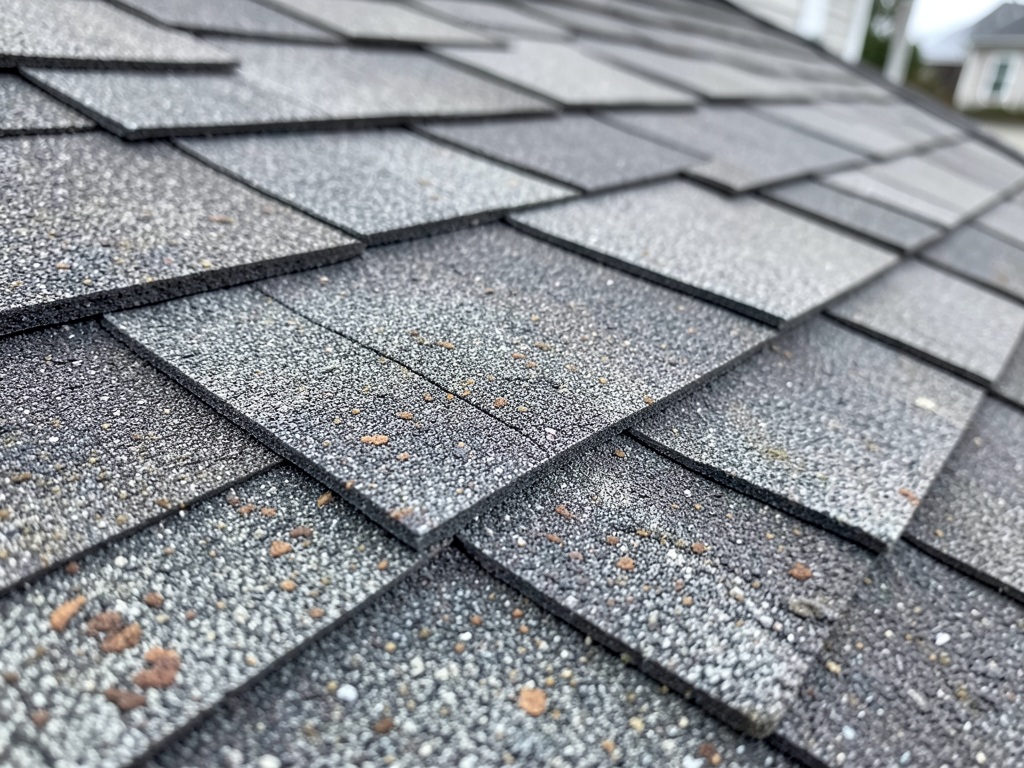
Should You Upgrade to Impact-Resistant Shingles in Hunt Valley to Lower Your Insurance?
Hunt Valley homeowners face a critical decision when replacing their roofs. Impact-resistant shingles offer protection against Maryland’s frequent hailstorms but come with a higher upfront cost. The question is whether the potential insurance savings and added durability justify the investment. Maryland Insurance Administration.
Impact-resistant shingles can lower your insurance premiums by 15-20% in Hunt Valley while providing superior protection against hail damage. These Class 4 rated shingles withstand steel ball impacts that would destroy standard asphalt shingles. For Hunt Valley homes specifically, the combination of insurance discounts and extended roof lifespan typically delivers a positive return on investment within 5-7 years. UL 2218 Impact Resistance Testing.
Before making your decision, you need to understand how these shingles perform in our local climate, what insurance companies actually offer, and whether the protection matches your specific risk factors.
What Makes Shingles Impact-Resistant?
Impact-resistant shingles achieve their durability through modified asphalt technology. The core difference lies in the polymer modification that creates a more flexible yet stronger material matrix.
Standard asphalt shingles use a basic bitumen composition that becomes brittle over time. Impact-resistant versions incorporate polymer modifiers like styrene-butadiene-styrene (SBS) or atactic polypropylene (APP). These additives create a rubber-like flexibility that allows the shingle to absorb impact energy rather than cracking.
The manufacturing process also differs significantly. Impact-resistant shingles receive additional reinforcement at the fiberglass mat level and often include thicker granule layers. Some manufacturers add copper or zinc granules for algae resistance, which also contributes to impact resistance.
Testing under UL 2218 standards involves dropping steel balls of increasing size from specific heights. Class 4 shingles survive impacts from 2-inch steel balls dropped from 20 feet without cracking. This represents the highest rating available for impact resistance.
The visual difference between standard and impact-resistant shingles is minimal to the untrained eye. Both come in similar colors and profiles. However, impact-resistant shingles typically weigh 15-20% more due to their denser composition.
Class 4 Rating Explained
The UL 2218 testing protocol establishes four classification levels based on impact resistance. Class 1 shingles withstand 1.25-inch steel balls. Class 2 handles 1.5-inch impacts. Class 3 survives 1.75-inch drops. Class 4, the highest rating, endures 2-inch steel ball impacts.
The testing procedure simulates real-world hail damage. Steel balls are dropped from 20 feet onto mounted shingle samples. Technicians examine the shingles for cracking, splitting, or granule loss after each impact.
Class 4 shingles must show no evidence of damage after the 2-inch ball test. This performance level correlates with protection against hailstones up to 2 inches in diameter. Maryland experiences hailstones in this size range several times per decade.
Insurance companies recognize the Class 4 rating as the threshold for premium discounts. Shingles with lower ratings typically do not qualify for insurance savings programs.
The testing also evaluates long-term performance. Impact-resistant shingles must maintain their integrity through accelerated weathering tests that simulate years of UV exposure and temperature cycling.
Hunt Valley Weather Patterns and Hail Risk
Hunt Valley sits in a transition zone between coastal and inland weather patterns. This location creates unique storm dynamics that increase hail risk compared to surrounding areas.
The area experiences approximately 25-30 thunderstorm days annually. Many of these storms produce strong updrafts capable of suspending hailstones long enough to grow to damaging sizes. The combination of warm Gulf moisture and cold upper-level air masses creates ideal conditions for hail formation.
Hail frequency in Baltimore County averages 2-3 significant events per year. However, Hunt Valley’s slightly higher elevation and proximity to the Piedmont Plateau can increase local hail intensity by 15-20% compared to downtown Baltimore. Flat Roof Repair for Baltimore Rowhouses — What Every Homeowner in Canton Needs to Know.
Maryland hail statistics show that 70% of damaging hail events produce stones between 1 and 1.75 inches in diameter. This size range falls between Class 3 and Class 4 thresholds. Class 4 shingles provide the best protection for our regional hail patterns.
Freeze-thaw cycles common in Hunt Valley create additional stress on roofing materials. Standard shingles become more susceptible to impact damage after winter temperature fluctuations. Impact-resistant shingles maintain their flexibility better through these cycles.. Read more about How Specialized Roofing Materials Can Block Out Heavy Airport Noise in Linthicum.
The area’s humidity levels also affect roof performance. High moisture content in the air can accelerate granule loss on standard shingles, reducing their impact resistance over time. Impact-resistant shingles with enhanced granule adhesion resist this deterioration.
Maryland Insurance Discount Programs
Maryland insurance companies offer premium discounts for Class 4 impact-resistant shingles, though specific programs vary by carrier. Most major insurers provide 15-20% discounts on homeowners insurance premiums.
State Farm, Allstate, and Nationwide typically offer the highest discounts in Maryland. These companies recognize Class 4 shingles as meeting their hail damage prevention standards. Some carriers require documentation of the Class 4 rating and installation by certified contractors.
The discount calculation usually applies to the dwelling coverage portion of your premium. For a typical Hunt Valley home with $300,000 coverage, this translates to annual savings of $150-300. The exact amount depends on your carrier’s specific discount structure.
Some Maryland insurers extend additional benefits beyond premium discounts. These may include waived deductibles for hail damage or extended warranty coverage on impact-resistant installations.
Documentation requirements typically include manufacturer certification of Class 4 rating and contractor verification of proper installation. Many insurers require the roofing contractor to be certified by the shingle manufacturer.
The Maryland Insurance Administration oversees these discount programs to ensure fair application across the state. They require insurers to provide written documentation of available discounts to policyholders.
Discount eligibility often extends beyond just the shingles. Some programs require specific underlayment or installation methods to qualify for maximum savings.
Cost Comparison: Impact-Resistant vs Standard Shingles
Impact-resistant shingles cost 20-30% more than standard architectural shingles. For a typical Hunt Valley home requiring 25 squares of roofing, this translates to $1,500-2,500 additional material costs. How Much a New Roof Costs in Towson (2026 Estimates).
Installation costs remain similar between both shingle types. The installation process, labor requirements, and timeline do not change significantly. This means the total project cost increase is primarily driven by material expenses.
Standard architectural shingles in Baltimore County average $350-450 per square installed. Impact-resistant versions range from $450-600 per square installed. These prices reflect current 2026 market conditions and material availability.
The price difference narrows when considering insurance discounts. A 15% premium reduction on a $2,000 annual premium saves $300 per year. This effectively reduces the net cost difference to $1,200-2,200 over the first year.
Long-term cost analysis must factor in extended lifespan. Impact-resistant shingles typically last 25-30 years versus 20-25 years for standard shingles. This additional 5-10 years of service reduces replacement frequency and long-term ownership costs. Industrial Roof Replacement.
Maintenance costs also differ. Impact-resistant shingles show less granule loss and weathering damage, reducing the need for repairs over their lifespan.
Property value considerations add another dimension. Homes with impact-resistant roofing often command slightly higher resale values due to perceived durability and lower maintenance requirements.
ROI Analysis for Hunt Valley Homeowners
Calculating return on investment requires analyzing multiple factors specific to Hunt Valley properties. The typical 2,000 square foot home needs 25-30 squares of roofing material.
Initial investment for impact-resistant shingles runs $11,250-15,000 installed. Standard shingles cost $8,750-12,000 for the same home. The $2,500-3,000 premium represents the upfront cost difference.
Insurance savings of $250-300 annually provide immediate returns. Over a 25-year lifespan, this accumulates to $6,250-7,500 in premium reductions. The net savings becomes $3,250-4,500 when accounting for the initial premium.
Hail damage prevention adds significant value. A single hailstorm causing $5,000-10,000 in damage would eliminate any cost advantage of standard shingles. Impact-resistant shingles prevent this risk entirely.
Extended lifespan provides additional returns. Five extra years of service on a $12,000 roof represents $2,400 in avoided replacement costs. This extends the total ROI period to 7-9 years.
Property value appreciation varies by neighborhood. Homes in Hunt Valley’s established communities with impact-resistant roofing may see 1-2% higher valuations during appraisals.
The breakeven point typically occurs 5-7 years after installation. This timeline assumes average insurance discounts and no major hail events.
Climate change considerations suggest increasing hail frequency in coming decades. This trend would accelerate ROI for impact-resistant installations.
Installation Requirements and Best Practices
Proper installation proves critical for impact-resistant shingle performance. The enhanced durability only functions correctly when installed according to manufacturer specifications.
Nailing patterns require specific attention. Impact-resistant shingles need six nails per shingle instead of the four used for standard versions. This additional fastening prevents wind uplift and maintains impact resistance at the shingle edges.
Underlayment choices affect overall system performance. Synthetic underlayments provide better protection than traditional felt paper, especially in Hunt Valley’s humidity conditions. Some manufacturers require specific underlayment types for warranty compliance.
Starter strip installation becomes more critical with impact-resistant shingles. The enhanced weight requires proper fastening at the roof perimeter to prevent edge lifting during high winds.
Ventilation requirements remain standard but become more important. The denser shingles trap more heat, making proper attic ventilation essential for preventing premature aging.
Flashing details require extra attention around chimneys, valleys, and roof penetrations. The enhanced durability of impact-resistant shingles makes improper flashing even more problematic than with standard versions.
Manufacturer certification for installers often becomes necessary for warranty coverage. Companies like GAF, CertainTeed, and Owens Corning maintain certified installer programs with specific training requirements.
Local building codes in Baltimore County may have specific requirements for impact-resistant installations. These often relate to wind ratings and fire resistance rather than impact resistance specifically.
Popular Impact-Resistant Shingle Brands
Several manufacturers produce Class 4 impact-resistant shingles with varying technologies and price points. Understanding these options helps homeowners make informed decisions.
GAF’s Timberline AS II represents one of the most popular choices in Maryland. These shingles use a fiberglass mat with polymer-modified asphalt and achieve Class 4 rating through enhanced granule adhesion and mat strength.
CertainTeed’s Landmark IR series offers similar performance with their QuadraBond adhesive technology. These shingles feature a five-layer fiberglass mat and achieve Class 4 rating through structural reinforcement.
Owens Corning’s Duration Storm series incorporates their patented SureNail technology with polymer-modified asphalt. These shingles achieve Class 4 rating while maintaining good wind resistance up to 130 mph.
IKO’s Cambridge IR series provides budget-friendly Class 4 options. These shingles use a three-tab design with polymer modification to achieve impact resistance at lower price points.
Malarkey’s Highlander IR series incorporates recycled rubber content for enhanced flexibility. These environmentally friendly shingles achieve Class 4 rating while using sustainable materials.
Performance differences between brands remain minimal for Class 4 rated products. The primary distinctions involve warranty terms, color availability, and specific installation requirements.
Warranty coverage varies significantly. Some manufacturers offer 50-year limited warranties on impact-resistant shingles, while others provide 30-year terms with enhanced wind coverage.
Common Misconceptions About Impact-Resistant Shingles
Several myths surround impact-resistant shingles that can mislead homeowners. Understanding these misconceptions helps make better decisions.
The belief that impact-resistant shingles are bulletproof represents a dangerous misconception. While Class 4 shingles withstand 2-inch steel balls, they can still be damaged by larger hail or direct impacts from falling objects.
Some homeowners assume impact-resistant shingles eliminate all roof damage. These products reduce but do not eliminate weather-related wear. UV exposure, thermal cycling, and wind stress still affect their longevity.
The idea that impact-resistant shingles look different from standard versions is incorrect. Most Class 4 products maintain similar profiles and color options to their standard counterparts.
Many people believe impact-resistant shingles are only necessary in hail-prone regions. Maryland’s increasing hail frequency makes these products valuable even in areas previously considered low-risk.
The misconception that installation requires special tools or techniques is partially true but often overstated. While specific nailing patterns matter, experienced roofers can install impact-resistant shingles using standard equipment.
Some homeowners think impact-resistant shingles void existing warranties. In reality, most manufacturers honor standard warranties while adding impact protection coverage.
The belief that impact-resistant shingles significantly increase home value is often overstated. While they provide benefits, the value increase typically remains modest compared to the investment.
Maintenance Requirements for Impact-Resistant Roofs
Impact-resistant shingles require similar maintenance to standard versions but with some important differences. Understanding these requirements ensures maximum performance.
Annual inspections become more critical with impact-resistant installations. While these shingles resist impact damage, they still require checks for proper fastening, flashing integrity, and ventilation performance.
Gutter cleaning frequency remains the same. The enhanced durability does not affect how debris accumulates or impacts water drainage systems.
Algae and moss prevention requires attention. Some impact-resistant shingles include copper or zinc granules for algae resistance, but additional treatments may still be necessary in Hunt Valley’s humid conditions.
Tree branch management becomes more important. While impact-resistant shingles withstand hail, falling branches can still cause damage. Maintaining proper tree clearance protects the investment.
Ice dam prevention requires attention in winter months. The enhanced weight of impact-resistant shingles can increase stress on roof structures during snow accumulation.
Ventilation system maintenance affects performance. The denser shingles trap more heat, making proper attic ventilation essential for preventing premature aging.
Professional cleaning may be necessary every 5-7 years. While impact-resistant shingles resist granule loss, surface cleaning helps maintain appearance and performance.
Repair procedures differ slightly. Matching impact-resistant shingles during repairs requires attention to specific product lines and color lots to ensure proper appearance.
Local Building Code Considerations
Baltimore County building codes affect impact-resistant shingle installations in several ways. Understanding these requirements ensures compliance and proper permitting.
Wind resistance requirements in Baltimore County mandate specific fastening patterns for roofs in certain zones. Impact-resistant shingles often exceed these requirements, but proper installation remains essential.
Fire resistance ratings affect material choices. Most impact-resistant shingles achieve Class A fire ratings, meeting or exceeding Baltimore County requirements for residential structures.
Weight considerations affect structural requirements. Impact-resistant shingles weigh 15-20% more than standard versions, potentially requiring evaluation of roof deck capacity in older homes.
Ventilation requirements in Baltimore County specify minimum net free area based on attic square footage. The enhanced heat retention of impact-resistant shingles makes proper ventilation even more critical.
Permitting requirements in Hunt Valley and surrounding areas typically include roofing replacement permits. These permits ensure compliance with local building standards and may affect insurance coverage.
Historic district considerations may affect material choices. Homes in designated historic areas may face restrictions on roofing materials, though impact-resistant options often qualify for variances.
Energy efficiency requirements in Maryland may provide additional incentives for certain roofing materials. While not directly related to impact resistance, these programs can affect overall project economics.
Environmental Impact and Sustainability
Impact-resistant shingles offer environmental benefits beyond their primary function. Understanding these advantages helps environmentally conscious homeowners make informed decisions.
Extended lifespan reduces landfill waste. Standard shingles require replacement every 20-25 years, while impact-resistant versions last 25-30 years. This 5-10 year extension reduces disposal volume by 20-25%.
Manufacturing processes for impact-resistant shingles often incorporate recycled materials. Many manufacturers use recycled asphalt and polymer content, reducing virgin material requirements.
Energy efficiency improvements occur through better granule adhesion. Enhanced granule retention maintains reflective properties longer, potentially reducing cooling costs in summer months.
Transportation impacts favor impact-resistant shingles due to reduced replacement frequency. Fewer replacement cycles mean less transportation of materials and waste over a home’s lifetime.
End-of-life recycling options continue expanding. Some manufacturers now accept old impact-resistant shingles for processing into road paving materials or new roofing products.
Carbon footprint analysis favors longer-lasting products. The embodied energy in manufacturing becomes distributed over more years of service, reducing annual environmental impact.
Local recycling facilities in Baltimore County increasingly accept asphalt shingles. This trend makes disposal of old impact-resistant shingles more environmentally responsible than in previous years.
Making Your Decision: Key Factors to Consider
Several factors should influence your decision about impact-resistant shingles. Evaluating these elements helps determine if the investment makes sense for your specific situation.
Hail frequency in your immediate area matters significantly. Homes in Hunt Valley’s western sections experience more frequent hail events than those in eastern areas near the beltway.
Insurance discount availability varies by carrier. Contact your insurance provider to determine specific discount amounts and documentation requirements for your policy.
Home age and roof deck condition affect installation feasibility. Older homes may require structural evaluation before installing heavier impact-resistant shingles. Installing a Metal Roof in Columbia — Is It Worth the Investment?.
Budget constraints influence the decision. While long-term economics favor impact-resistant shingles, the higher upfront cost may affect immediate affordability.
Climate change projections suggest increasing hail frequency in coming decades. This trend favors impact-resistant installations even for homeowners planning shorter ownership periods.
Neighborhood characteristics matter. Homes in wooded areas face different risks than those in open areas, potentially affecting the value of impact resistance.
Future plans for the property affect the calculation. Homeowners planning to stay 10+ years typically see better returns on impact-resistant investments.
Local contractor availability influences installation quality. Working with certified installers ensures proper installation and warranty coverage.
Aesthetic preferences may affect material choices. While impact-resistant shingles match standard appearances, specific color or profile preferences may limit options.
Energy efficiency goals may align with impact-resistant choices. Some products offer enhanced reflective properties that reduce cooling costs.
Frequently Asked Questions
Are impact-resistant shingles worth the extra cost in Hunt Valley?
Yes for most Hunt Valley homeowners. The combination of insurance discounts, hail damage prevention, and extended lifespan typically delivers positive returns within 5-7 years. Homes in western Hunt Valley with higher hail exposure see the fastest returns.
Will my insurance company automatically give me a discount for impact-resistant shingles?
No. You must contact your insurance carrier and provide documentation of the Class 4 rating and proper installation. Most Maryland insurers require manufacturer certification and contractor verification before applying discounts.
How much can I save on insurance with impact-resistant shingles?
Most Maryland insurance companies offer 15-20% discounts on the dwelling coverage portion of your premium. For a typical Hunt Valley home with $300,000 coverage, this translates to $150-300 in annual savings.
Do impact-resistant shingles look different from regular shingles?
No. Modern impact-resistant shingles maintain similar profiles and color options to standard architectural shingles. The differences lie in the internal composition and manufacturing process, not the visible appearance.
How long do impact-resistant shingles last compared to standard shingles?
Impact-resistant shingles typically last 25-30 years versus 20-25 years for standard architectural shingles. This extended lifespan results from enhanced granule adhesion and structural reinforcement that resists weathering damage.
Can impact-resistant shingles still be damaged by hail?
While much more resistant to hail damage, Class 4 shingles can still be damaged by extremely large hail or direct impacts from falling objects. However, they withstand hailstones up to 2 inches in diameter without cracking.
Do I need a special contractor to install impact-resistant shingles?
While not legally required, manufacturer certification is often necessary for warranty coverage. Certified installers understand specific nailing patterns, underlayment requirements, and installation techniques that ensure proper performance.
Are impact-resistant shingles available in all colors and styles?
Most manufacturers offer impact-resistant versions of their popular color lines and profiles. However, some specialty styles or very unique colors may not be available in impact-resistant formulations.
Will impact-resistant shingles increase my home’s value?
The value increase is typically modest, around 1-2% of the roofing investment. However, the primary financial benefits come from insurance savings and damage prevention rather than direct appreciation.
How do I know if a shingle is truly Class 4 rated?
Look for UL 2218 certification markings on the packaging or product specifications. Reputable manufacturers provide documentation of Class 4 testing and certification. Be wary of products claiming impact resistance without UL certification.
Can I install impact-resistant shingles over my existing roof?
Most building codes limit roof-overs to two layers maximum. If you already have two layers, removal is necessary regardless of shingle type. The additional weight of impact-resistant shingles makes proper evaluation essential.
What happens if impact-resistant shingles get damaged?
Damage to impact-resistant shingles typically requires replacing the affected area. Most manufacturers offer enhanced warranty coverage for impact damage, though specific terms vary by product line and installer certification.
Are there any tax benefits for installing impact-resistant shingles?
Currently, there are no federal tax credits specifically for impact-resistant shingles. However, some state or local energy efficiency programs may offer incentives for certain roofing materials that happen to be impact-resistant. Why Your Federal Hill Flat Roof is Leaking and How to Fix It for Good.
Conclusion
Impact-resistant shingles represent a smart investment for most Hunt Valley homeowners. The combination of insurance discounts, hail damage prevention, and extended lifespan creates compelling economics that typically deliver positive returns within 7-9 years.
The decision ultimately depends on your specific circumstances. Homes in western Hunt Valley with higher hail exposure, homeowners planning long-term ownership, and those with insurance carriers offering substantial discounts will see the fastest returns.
Working with certified roofing contractors ensures proper installation and warranty coverage. The additional upfront cost of 20-30% over standard shingles becomes much more manageable when factoring in insurance savings and damage prevention benefits.
For Hunt Valley homeowners tired of worrying about the next hailstorm or looking to maximize their roofing investment, impact-resistant shingles offer proven technology with measurable financial benefits. The peace of mind alone often justifies the investment, even before considering the long-term economic returns.
Ready to explore impact-resistant shingle options for your Hunt Valley home? Call (443) 455-9099 today to schedule your inspection and learn about insurance discount opportunities specific to your property.
{
“@context”: “https://schema.org”,
“@type”: “BlogPosting”,
“headline”: “Should You Upgrade to Impact-Resistant Shingles in Hunt Valley to Lower Your Insurance?”,
“description”: “Learn how Class 4 impact-resistant shingles can protect your Hunt Valley home from hail damage and potentially save 15-20% on insurance premiums.”,
“wordCount”: 3555,
“datePublished”: “2026-04-04T08:12:00.000Z”,
“dateModified”: “2026-04-04T08:12:00.000Z”,
“inLanguage”: “en-US”,
“mainEntityOfPage”: {
“@type”: “WebPage”,
“@id”: “https://aplusroofingbaltimore.com”
},
“publisher”: {
“@type”: “LocalBusiness”,
“name”: “A Plus Roofing Baltimore”,
“url”: “https://aplusroofingbaltimore.com”
},
“author”: {
“@type”: “Organization”,
“name”: “A Plus Roofing Baltimore”,
“url”: “https://aplusroofingbaltimore.com”
},
“image”: {
“@type”: “ImageObject”,
“url”: “https://aplusroofingbaltimore.com/wp-content/uploads/2026/03/should-you-upgrade-to-impact-resistant-shingles-in-1.png”
}
}
{
“@context”: “https://schema.org”,
“@type”: “RoofingContractor”,
“name”: “A Plus Roofing Baltimore”,
“url”: “https://aplusroofingbaltimore.com”,
“address”: {
“@type”: “PostalAddress”,
“addressLocality”: “Baltimore”
},
“areaServed”: {
“@type”: “City”,
“name”: “Baltimore”
}
}
{
“@context”: “https://schema.org”,
“@type”: “FAQPage”,
“mainEntity”: [
{
“@type”: “Question”,
“name”: “What Makes Shingles Impact-Resistant?”,
“acceptedAnswer”: {
“@type”: “Answer”,
“text”: “Impact-resistant shingles achieve their durability through modified asphalt technology. The core difference lies in the polymer modification that creates a more flexible yet stronger material matrix.”
}
},
{
“@type”: “Question”,
“name”: “Are impact-resistant shingles worth the extra cost in Hunt Valley?”,
“acceptedAnswer”: {
“@type”: “Answer”,
“text”: “Yes for most Hunt Valley homeowners. The combination of insurance discounts, hail damage prevention, and extended lifespan typically delivers positive returns within 5-7 years. Homes in western Hunt Valley with higher hail exposure see the fastest returns.”
}
},
{
“@type”: “Question”,
“name”: “Will my insurance company automatically give me a discount for impact-resistant shingles?”,
“acceptedAnswer”: {
“@type”: “Answer”,
“text”: “No. You must contact your insurance carrier and provide documentation of the Class 4 rating and proper installation. Most Maryland insurers require manufacturer certification and contractor verification before applying discounts.”
}
},
{
“@type”: “Question”,
“name”: “How much can I save on insurance with impact-resistant shingles?”,
“acceptedAnswer”: {
“@type”: “Answer”,
“text”: “Most Maryland insurance companies offer 15-20% discounts on the dwelling coverage portion of your premium. For a typical Hunt Valley home with $300,000 coverage, this translates to $150-300 in annual savings.”
}
},
{
“@type”: “Question”,
“name”: “Do impact-resistant shingles look different from regular shingles?”,
“acceptedAnswer”: {
“@type”: “Answer”,
“text”: “No. Modern impact-resistant shingles maintain similar profiles and color options to standard architectural shingles. The differences lie in the internal composition and manufacturing process, not the visible appearance.”
}
},
{
“@type”: “Question”,
“name”: “How long do impact-resistant shingles last compared to standard shingles?”,
“acceptedAnswer”: {
“@type”: “Answer”,
“text”: “Impact-resistant shingles typically last 25-30 years versus 20-25 years for standard architectural shingles. This extended lifespan results from enhanced granule adhesion and structural reinforcement that resists weathering damage.”
}
},
{
“@type”: “Question”,
“name”: “Do I need a special contractor to install impact-resistant shingles?”,
“acceptedAnswer”: {
“@type”: “Answer”,
“text”: “While not legally required, manufacturer certification is often necessary for warranty coverage. Certified installers understand specific nailing patterns, underlayment requirements, and installation techniques that ensure proper performance.”
}
},
{
“@type”: “Question”,
“name”: “Are impact-resistant shingles available in all colors and styles?”,
“acceptedAnswer”: {
“@type”: “Answer”,
“text”: “Most manufacturers offer impact-resistant versions of their popular color lines and profiles. However, some specialty styles or very unique colors may not be available in impact-resistant formulations.”
}
},
{
“@type”: “Question”,
“name”: “Will impact-resistant shingles increase my home’s value?”,
“acceptedAnswer”: {
“@type”: “Answer”,
“text”: “The value increase is typically modest, around 1-2% of the roofing investment. However, the primary financial benefits come from insurance savings and damage prevention rather than direct appreciation.”
}
},
{
“@type”: “Question”,
“name”: “How do I know if a shingle is truly Class 4 rated?”,
“acceptedAnswer”: {
“@type”: “Answer”,
“text”: “Look for UL 2218 certification markings on the packaging or product specifications. Reputable manufacturers provide documentation of Class 4 testing and certification. Be wary of products claiming impact resistance without UL certification.”
}
},
{
“@type”: “Question”,
“name”: “Can I install impact-resistant shingles over my existing roof?”,
“acceptedAnswer”: {
“@type”: “Answer”,
“text”: “Most building codes limit roof-overs to two layers maximum. If you already have two layers, removal is necessary regardless of shingle type. The additional weight of impact-resistant shingles makes proper evaluation essential.”
}
},
{
“@type”: “Question”,
“name”: “What happens if impact-resistant shingles get damaged?”,
“acceptedAnswer”: {
“@type”: “Answer”,
“text”: “Damage to impact-resistant shingles typically requires replacing the affected area. Most manufacturers offer enhanced warranty coverage for impact damage, though specific terms vary by product line and installer certification.”
}
},
{
“@type”: “Question”,
“name”: “Are there any tax benefits for installing impact-resistant shingles?”,
“acceptedAnswer”: {
“@type”: “Answer”,
“text”: “Currently, there are no federal tax credits specifically for impact-resistant shingles. However, some state or local energy efficiency programs may offer incentives for certain roofing materials that happen to be impact-resistant. Why Your Federal Hill Flat Roof is Leaking and How to Fix It for Good.”
}
}
]
}
{
“@context”: “https://schema.org”,
“@type”: “BreadcrumbList”,
“itemListElement”: [
{
“@type”: “ListItem”,
“position”: 1,
“name”: “Home”,
“item”: “https://aplusroofingbaltimore.com”
},
{
“@type”: “ListItem”,
“position”: 2,
“name”: “Blog”,
“item”: “https://aplusroofingbaltimore.com/blog”
},
{
“@type”: “ListItem”,
“position”: 3,
“name”: “Should You Upgrade to Impact-Resistant Shingles in Hunt Valley to Lower Your Insurance?”
}
]
}
{
“@context”: “https://schema.org”,
“@type”: “Service”,
“serviceType”: “Roofing”,
“provider”: {
“@type”: “LocalBusiness”,
“name”: “A Plus Roofing Baltimore”,
“url”: “https://aplusroofingbaltimore.com”
},
“areaServed”: {
“@type”: “City”,
“name”: “Baltimore”
},
“description”: “Learn how Class 4 impact-resistant shingles can protect your Hunt Valley home from hail damage and potentially save 15-20% on insurance premiums.”
}