
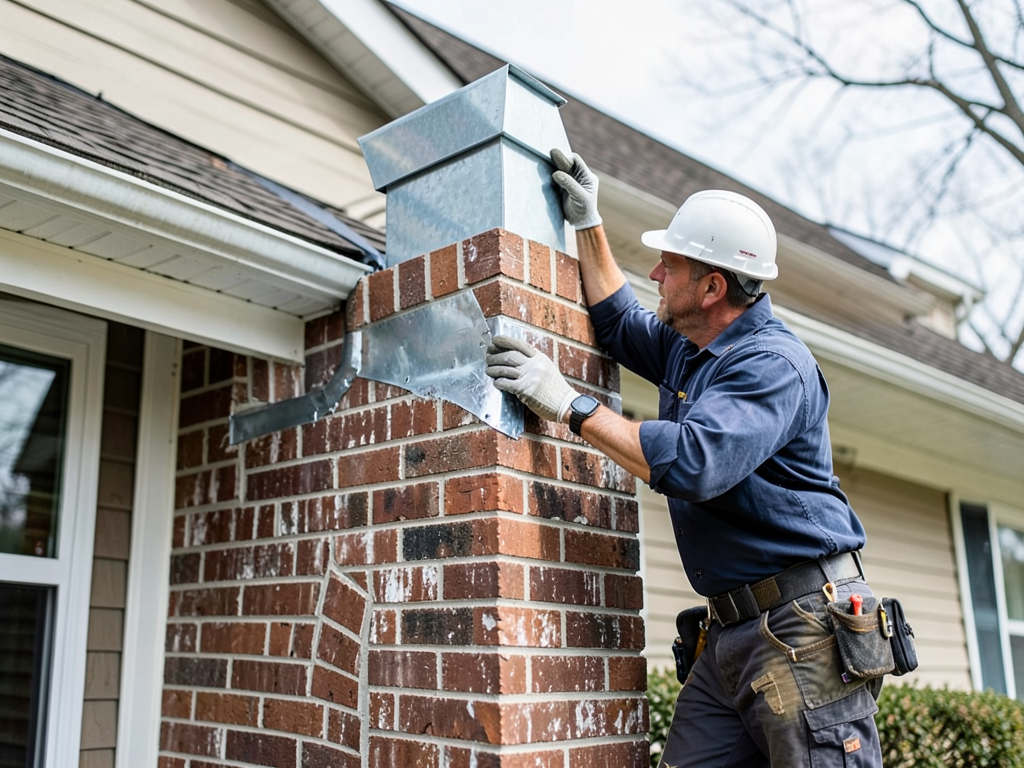
Stopping Water from Pooling Behind Your Chimney with a Properly Installed Cricket in Baldwin
Water pooling behind your chimney is more than just an eyesore. It is a structural threat that can lead to extensive roof damage wood rot and costly repairs. In Baldwin where heavy Maryland rains and occasional snow create perfect conditions for water accumulation a properly installed chimney cricket is your first line of defense. EPA Stormwater Management Guidelines.
A chimney cricket also known as a saddle is a small peaked structure built behind a chimney to divert water and debris around the obstruction. Without it water flows directly into the chimney’s back wall creating a perfect trap for moisture. Over time this leads to flashing failure wood rot and interior leaks that can damage ceilings walls and even your home’s foundation.. Read more about Stopping Constant Leaks on Mobile Home Roofs in Joppa Without Spending a Fortune.
The problem is especially acute in Baldwin where many homes feature large masonry chimneys that rise above the roofline. These chimneys create natural water collection points during Baltimore’s frequent thunderstorms and winter snowmelts. The combination of steep roof pitches common in the area and the chimney’s obstruction creates ideal conditions for ice dam formation which further compounds water infiltration problems. Flat Roof Repair for Baltimore Rowhouses — What Every Homeowner in Canton Needs to Know.
Understanding how a cricket works and why it matters for your Baldwin home is the first step toward protecting your investment. This comprehensive guide covers everything from the technical specifications that make crickets effective to the installation process that ensures they perform as intended for decades.
Why Baldwin Homes Are Particularly Vulnerable to Chimney Water Damage
Baldwin sits in a transition zone where Baltimore County’s rolling hills meet the coastal plain. This geography creates unique roofing challenges that many homeowners overlook until damage appears. The area receives an average of 42 inches of rainfall annually with concentrated bursts during summer thunderstorms and winter nor’easters.
The freeze-thaw cycles common in northern Baltimore County create another layer of risk. When water seeps behind a chimney and freezes it expands creating pressure that can crack masonry and separate flashing joints. These cracks then allow more water in creating a destructive cycle that accelerates with each freeze-thaw event.. Read more about Solving Common Flat Roof Drainage Problems for Small Businesses in Bel Air.
Many Baldwin homes were built during the 1970s and 1980s housing boom. These properties often feature large brick chimneys that were constructed without crickets or with undersized crickets that cannot handle today’s heavier rainfall patterns. The original builders may not have anticipated the intensity of modern storms or the long-term effects of water retention.
The soil composition in Baldwin also plays a role. The area’s clay-heavy soils retain moisture which can lead to foundation movement. When foundations shift chimneys can become slightly misaligned with the roof creating additional stress points where water can penetrate. A properly installed cricket helps compensate for these minor misalignments by creating a consistent water diversion path.
The Technical Side of Chimney Crickets What Makes Them Work
A chimney cricket is essentially a small roof built behind your chimney. Its design follows specific mathematical principles to ensure effective water diversion. The cricket’s peak must be high enough to shed water over the chimney rather than allowing it to pool behind the structure.
The International Residential Code requires crickets on chimneys wider than 30 inches that intersect the slope of a roof. This 30-inch threshold is critical because narrower chimneys typically do not create enough obstruction to cause significant water pooling. However many Baltimore County building inspectors recommend crickets for any chimney wider than 24 inches as a best practice. International Residential Code Chapter 9.
The cricket’s slope should be at least as steep as the main roof pitch. For a standard 6:12 roof pitch the cricket should also be 6:12 or steeper. This ensures water flows quickly off the cricket rather than pooling on its surface. Some contractors mistakenly build crickets with shallower pitches which defeats the entire purpose of the installation.
Material selection is another crucial factor. Galvanized steel offers excellent durability and corrosion resistance at a reasonable price point. Aluminum provides similar benefits with lighter weight which can be important for older roof structures. Copper though more expensive develops a protective patina over time and can last 50 years or more making it ideal for historic Baldwin homes where authenticity matters.
The flashing integration represents the most critical aspect of cricket installation. The cricket must tie seamlessly into the existing step flashing along the chimney’s sides and the counter-flashing that seals the top of the chimney. Any gaps in this system become entry points for water.
Step-by-Step Cricket Installation Process
Professional cricket installation follows a methodical process that ensures long-term performance. The first step involves removing the existing shingles and underlayment behind the chimney to expose the roof deck. This allows the installer to assess the underlying structure and make any necessary repairs before proceeding.
Next the framing begins. The installer builds a small peaked frame using pressure-treated lumber that matches the roof’s pitch. This frame creates the cricket’s basic shape and provides a solid foundation for the metal components. The frame must be precisely measured to ensure proper clearance around the chimney and correct slope alignment. Installing a Metal Roof in Columbia — Is It Worth the Investment?.
After framing the installer applies ice and water shield to the entire cricket area extending several feet up the chimney and onto the main roof. This self-adhering membrane provides an additional waterproof barrier that protects against ice dam formation and wind-driven rain. The shield must be carefully lapped and sealed at all seams.
The metal cricket surface installation follows. The installer cuts and shapes the metal sheets to create a continuous water-shedding surface from the cricket’s peak down to the main roof on both sides. Each piece must overlap correctly to prevent water infiltration. The metal typically extends 6 to 8 inches up the chimney sides to ensure complete coverage. Metal Retrofit Roofing.
Flashing installation represents the most critical phase. The installer weaves new step flashing into the cricket’s sides integrating it with the existing chimney flashing system. Counter-flashing is then installed into the chimney’s mortar joints and bent over the step flashing creating a watertight seal that will flex with temperature changes.
Finally new shingles are installed over the cricket area matching the existing roof pattern. The installer must carefully cut and fit each shingle around the cricket’s edges and chimney to maintain the roof’s aesthetic while ensuring complete water protection.
Cost Factors for Chimney Cricket Installation in Baldwin
The cost of chimney cricket installation varies based on several factors that Baltimore County homeowners should understand. Chimney width is the primary cost driver. A 30-inch wide chimney requires a smaller cricket than a 60-inch wide chimney which means less material and labor but the difference is not always proportional.
Roof pitch significantly impacts installation complexity and cost. Steep roofs require additional safety equipment and more time to work safely. A 12:12 pitch roof installation might take 50 percent longer than a 4:12 pitch roof installation even if the cricket dimensions are identical.
Material selection affects both upfront cost and long-term value. Galvanized steel crickets typically cost 40 to 60 percent less than copper crickets but may need replacement after 20 to 25 years. Copper crickets while expensive initially can last the lifetime of the home making them cost-effective for long-term ownership.
Existing damage drives up costs when present. If the inspection reveals rotted decking or deteriorated flashing behind the chimney these components must be replaced before installing the new cricket. This additional work can add 25 to 40 percent to the total project cost but is essential for preventing future leaks. How Much a New Roof Costs in Towson (2026 Estimates).
Accessibility factors also matter. Single-story ranch homes in Baldwin’s newer developments cost less to service than multi-story colonials where scaffolding or roof jacks are required. The need for specialized equipment adds both time and expense to the project.
Most Baldwin homeowners can expect to invest between 2500 and 4500 for a professional chimney cricket installation depending on these variables. This investment typically includes warranty coverage and often prevents thousands of dollars in potential water damage repairs.
Common Signs Your Chimney Needs a Cricket
Recognizing the warning signs of chimney water damage can help you address problems before they become catastrophic. Water stains on ceilings or walls near the chimney indicate that moisture has already penetrated your home’s interior. These stains often appear as yellow or brown discolorations that grow larger after heavy rains.
Missing or damaged flashing around your chimney creates immediate vulnerability. If you can see gaps between the flashing and chimney or if the flashing appears bent or corroded water can easily penetrate these openings. Even small gaps can allow significant water intrusion during Baltimore’s intense summer thunderstorms.
Moss or algae growth on the roof near your chimney signals persistent moisture problems. These organisms thrive in damp environments and their presence indicates that water is not draining properly from that area. While moss itself does not cause damage it is a symptom of underlying drainage issues that need attention.. Read more about Fixing Persistent Roof Valley Leaks on Homes in Catonsville and Arbutus.
Cracked or deteriorating chimney mortar joints allow water to seep into the chimney structure. When water enters these cracks and freezes it expands creating larger cracks in a process called spalling. This damage worsens each winter and can eventually compromise the chimney’s structural integrity.
Gutter overflow or ice dam formation along the chimney side suggests that water is not flowing freely off your roof. During winter ice dams can force water under shingles and into your home even if the chimney flashing appears intact. A cricket helps prevent this by ensuring proper water diversion before ice can form.
If your home is more than 20 years old and has never had a chimney inspection now is the time. Many Baldwin homes have reached the age where original roofing components including crickets are nearing the end of their service life.
Material Options for Chimney Crickets in Baltimore’s Climate
Choosing the right material for your chimney cricket involves balancing cost durability and aesthetic considerations. Baltimore’s climate with its humidity temperature extremes and occasional salt exposure from coastal storms demands materials that can withstand these conditions without deteriorating.
Galvanized steel remains the most popular choice for Baltimore homeowners due to its combination of durability and affordability. The zinc coating provides excellent corrosion resistance and modern galvanized steel products often include additional polymer coatings that extend their lifespan to 25 to 30 years even in harsh conditions.
Aluminum offers similar corrosion resistance with the added benefit of lighter weight. This makes aluminum ideal for older homes where the roof structure may not support heavy materials. Aluminum does not rust and its natural oxide layer provides ongoing protection. However aluminum is softer than steel and can dent more easily from falling branches or hail.
Copper represents the premium option for homeowners who want both performance and aesthetics. Copper crickets develop a distinctive green patina over time that many homeowners find attractive especially on historic or high-end properties. Copper’s natural antimicrobial properties prevent moss and algae growth and its longevity often exceeds 50 years making it cost-effective over the long term.
Stainless steel provides maximum durability but at a higher cost than galvanized steel. It resists corrosion exceptionally well and maintains its appearance without developing a patina. Stainless steel is particularly suitable for coastal areas where salt spray is a concern though Baldwin’s inland location makes this less critical.
Composite materials including reinforced polymers are emerging as alternatives for certain applications. These materials resist corrosion and can be molded into complex shapes but they typically cost more than metal options and their long-term performance in Baltimore’s climate is less proven.
Building Code Requirements for Chimney Crickets in Baltimore County
Understanding local building code requirements helps ensure your chimney cricket installation meets all legal standards. The International Residential Code adopted by Baltimore County requires crickets on chimneys wider than 30 inches that intersect the roof slope. This requirement applies to both new construction and replacement roofing projects.
Baltimore County further specifies that crickets must be properly flashed and integrated with the existing roofing system. The flashing must extend at least 4 inches up the chimney sides and be properly counter-flashed into the chimney mortar joints. This counter-flashing prevents water from seeping behind the primary flashing layer.
The county requires that all crickets be constructed from non-combustible materials when they are within specified distances of chimney flues. This typically means using metal rather than wood framing for crickets that are close to heat sources. The exact distance varies based on the chimney’s construction and intended use.
Permitting requirements in Baltimore County mandate that any structural modification to your roof including cricket installation must be permitted through the Department of Permits and Development Management. The permit process includes plan review to ensure the cricket design meets all code requirements and will not compromise the roof’s structural integrity.
Inspections are required at multiple stages of the installation process. A framing inspection verifies that the cricket structure meets all dimensional and slope requirements. A final inspection ensures that all flashing and roofing components are properly installed and integrated with the existing roof system.
Working with a licensed Baltimore County roofing contractor ensures compliance with all these requirements. Professional contractors understand the local code nuances and can navigate the permitting process efficiently while ensuring your installation meets all safety and performance standards.
Maintenance Tips to Keep Your Cricket Functioning Properly
Even the best-installed chimney cricket requires periodic maintenance to ensure long-term performance. Regular inspections especially after severe weather events can identify potential problems before they cause damage. Look for signs of metal fatigue corrosion or separation at the flashing joints.
Debris accumulation is one of the most common issues affecting cricket performance. Leaves twigs and other debris can collect in the cricket’s valleys creating dams that allow water to pool. This standing water accelerates corrosion and can eventually lead to leaks. Clean your cricket area at least twice yearly preferably in spring and fall.
Check the cricket’s metal surface for signs of wear or damage. Small dents or scratches may not seem significant but they can become corrosion starting points. If you notice areas where the protective coating has worn through consider having these spots repaired before they develop into larger problems.
Examine the flashing connections where the cricket ties into the chimney and main roof. These areas experience the most movement due to thermal expansion and are most vulnerable to separation. Look for gaps rust stains or signs that the sealant has deteriorated. Small gaps can often be sealed but larger separations may require professional repair.
Monitor your attic for signs of moisture near the chimney. Even with a properly functioning cricket small leaks can develop over time. Water stains on rafters or insulation near the chimney indicate that moisture is penetrating somewhere in the system. Early detection allows for repairs before significant damage occurs.
Consider having your chimney cricket professionally inspected every 3 to 5 years depending on your roof’s age and local weather conditions. Professional inspections can identify issues that are not visible from the ground and recommend preventive maintenance that extends the system’s lifespan. Getting Your Roof Inspected Before Buying a Home in Locust Point.
Frequently Asked Questions
How do I know if my chimney needs a cricket?
If your chimney is wider than 30 inches and intersects your roof slope you likely need a cricket. Signs you already have water problems include ceiling stains near the chimney missing or damaged flashing and moss growth on the roof around the chimney base.
Can I install a cricket myself or should I hire a professional?
Crickets require precise framing flashing integration and waterproofing that demands roofing experience. Improper installation can lead to worse leaks than having no cricket at all. Professional installation ensures code compliance proper materials and warranty protection for your investment.
How long does a chimney cricket typically last?
Material quality and installation determine lifespan. Galvanized steel crickets typically last 20 to 25 years while copper crickets can exceed 50 years. Regular maintenance and prompt repairs of any damage can significantly extend any cricket’s functional life.
Will a cricket change the appearance of my roof?
A properly installed cricket is designed to blend with your existing roofline. The cricket’s peak follows your roof’s pitch and new shingles are carefully matched to your existing roofing material. Most homeowners find the cricket virtually invisible unless specifically looking for it.
What happens if I don’t install a cricket when one is needed?
Without a cricket water pools behind your chimney creating ideal conditions for leaks wood rot and masonry damage. These problems worsen over time potentially leading to thousands of dollars in repairs including interior damage to ceilings walls and even structural components.
Protect Your Baldwin Home from Water Damage Today
Water pooling behind your chimney is not a problem that improves with time. Each rainstorm each freeze-thaw cycle each season of neglect makes the damage worse and more expensive to repair. The good news is that a properly installed chimney cricket provides a permanent solution that protects your home for decades.
Baldwin homeowners face unique challenges from the area’s rainfall patterns freeze-thaw cycles and aging housing stock. These factors make chimney crickets not just a good idea but often a necessary investment in your home’s long-term health and value.
Professional installation ensures your cricket meets all Baltimore County building codes integrates perfectly with your existing roofing system and provides the water protection your home needs. The cost of installation is minimal compared to the potential expense of water damage repairs or premature roof replacement.
Call (443) 455-9099 today to schedule your free chimney inspection and learn whether your home needs a cricket. Our experienced Baltimore County roofing specialists will evaluate your specific situation explain your options and provide a detailed estimate with no obligation. Don’t wait for the next storm to reveal your chimney’s vulnerabilities. Protect your home now and enjoy peace of mind through every season.
Pick up the phone and call (443) 455-9099 before the next storm hits. Your home deserves professional protection that lasts.
{
“@context”: “https://schema.org”,
“@type”: “BlogPosting”,
“headline”: “Stopping Water from Pooling Behind Your Chimney with a Properly Installed Cricket in Baldwin”,
“description”: “Prevent chimney leaks and water damage in Baldwin with expert cricket installation. Learn how this critical roof component protects your home from Baltimore’s heavy rains.”,
“wordCount”: 3027,
“datePublished”: “2026-05-07T14:49:00.000Z”,
“dateModified”: “2026-05-07T14:49:00.000Z”,
“inLanguage”: “en-US”,
“mainEntityOfPage”: {
“@type”: “WebPage”,
“@id”: “https://aplusroofingbaltimore.com”
},
“publisher”: {
“@type”: “LocalBusiness”,
“name”: “A Plus Roofing Baltimore”,
“url”: “https://aplusroofingbaltimore.com”
},
“author”: {
“@type”: “Organization”,
“name”: “A Plus Roofing Baltimore”,
“url”: “https://aplusroofingbaltimore.com”
},
“image”: {
“@type”: “ImageObject”,
“url”: “https://aplusroofingbaltimore.com/wp-content/uploads/2026/03/stopping-water-from-pooling-behind-your-chimney-wi-1.png”
}
}
{
“@context”: “https://schema.org”,
“@type”: “RoofingContractor”,
“name”: “A Plus Roofing Baltimore”,
“url”: “https://aplusroofingbaltimore.com”,
“address”: {
“@type”: “PostalAddress”,
“addressLocality”: “Baltimore”
},
“areaServed”: {
“@type”: “City”,
“name”: “Baltimore”
}
}
{
“@context”: “https://schema.org”,
“@type”: “FAQPage”,
“mainEntity”: [
{
“@type”: “Question”,
“name”: “How do I know if my chimney needs a cricket?”,
“acceptedAnswer”: {
“@type”: “Answer”,
“text”: “If your chimney is wider than 30 inches and intersects your roof slope you likely need a cricket. Signs you already have water problems include ceiling stains near the chimney missing or damaged flashing and moss growth on the roof around the chimney base.”
}
},
{
“@type”: “Question”,
“name”: “Can I install a cricket myself or should I hire a professional?”,
“acceptedAnswer”: {
“@type”: “Answer”,
“text”: “Crickets require precise framing flashing integration and waterproofing that demands roofing experience. Improper installation can lead to worse leaks than having no cricket at all. Professional installation ensures code compliance proper materials and warranty protection for your investment.”
}
},
{
“@type”: “Question”,
“name”: “How long does a chimney cricket typically last?”,
“acceptedAnswer”: {
“@type”: “Answer”,
“text”: “Material quality and installation determine lifespan. Galvanized steel crickets typically last 20 to 25 years while copper crickets can exceed 50 years. Regular maintenance and prompt repairs of any damage can significantly extend any cricket’s functional life.”
}
},
{
“@type”: “Question”,
“name”: “Will a cricket change the appearance of my roof?”,
“acceptedAnswer”: {
“@type”: “Answer”,
“text”: “A properly installed cricket is designed to blend with your existing roofline. The cricket’s peak follows your roof’s pitch and new shingles are carefully matched to your existing roofing material. Most homeowners find the cricket virtually invisible unless specifically looking for it.”
}
},
{
“@type”: “Question”,
“name”: “What happens if I don’t install a cricket when one is needed?”,
“acceptedAnswer”: {
“@type”: “Answer”,
“text”: “Without a cricket water pools behind your chimney creating ideal conditions for leaks wood rot and masonry damage. These problems worsen over time potentially leading to thousands of dollars in repairs including interior damage to ceilings walls and even structural components.”
}
}
]
}
{
“@context”: “https://schema.org”,
“@type”: “BreadcrumbList”,
“itemListElement”: [
{
“@type”: “ListItem”,
“position”: 1,
“name”: “Home”,
“item”: “https://aplusroofingbaltimore.com”
},
{
“@type”: “ListItem”,
“position”: 2,
“name”: “Blog”,
“item”: “https://aplusroofingbaltimore.com/blog”
},
{
“@type”: “ListItem”,
“position”: 3,
“name”: “Stopping Water from Pooling Behind Your Chimney with a Properly Installed Cricket in Baldwin”
}
]
}
{
“@context”: “https://schema.org”,
“@type”: “Service”,
“serviceType”: “Roofing”,
“provider”: {
“@type”: “LocalBusiness”,
“name”: “A Plus Roofing Baltimore”,
“url”: “https://aplusroofingbaltimore.com”
},
“areaServed”: {
“@type”: “City”,
“name”: “Baltimore”
},
“description”: “Prevent chimney leaks and water damage in Baldwin with expert cricket installation. Learn how this critical roof component protects your home from Baltimore’s heavy rains.”
}