
The Best Roofing Materials for Withstanding Maryland’s Humid Summers and Salty Air
Maryland’s climate is brutal on roofs. Between the Chesapeake Bay humidity, salty air near the coast, heavy summer thunderstorms, and occasional Nor’easters, your roof faces a unique assault. For Baltimore homeowners, choosing the right material means the difference between a roof that lasts 15 years and one that protects your home for 50. This guide cuts through the marketing noise to show you exactly which materials perform best in Maryland’s specific weather conditions. Flat Roof Repair for Baltimore Rowhouses — What Every Homeowner in Canton Needs to Know.
Why Maryland Weather Demands Special Roofing Materials
Maryland sits in a transitional climate zone where coastal moisture meets continental extremes. Baltimore averages 42 inches of rainfall annually, with summer humidity often exceeding 85 percent. The combination creates perfect conditions for algae growth, wood rot, and metal corrosion. Add in the occasional hurricane remnant pushing 70 mph winds up the Chesapeake, and you need materials engineered for this specific assault. Installing a Metal Roof in Columbia — Is It Worth the Investment?.
The biggest threats to Maryland roofs include:
- High humidity causing shingle buckling and wood rot
- Salt air corrosion for homes within 10 miles of the Chesapeake Bay
- Wind-driven rain testing flashing and underlayment integrity
- Freeze-thaw cycles in winter creating ice dams
- UV exposure during hot summers degrading organic materials
Understanding these factors helps you select materials that actually last in Maryland’s climate rather than just looking good on paper.
Top 5 Roofing Materials for Maryland Homes
After 15 years of installing and repairing roofs across Baltimore, these five materials consistently outperform others in our climate. Each has specific strengths for Maryland’s unique weather patterns.
1. Architectural Asphalt Shingles with Algae Resistance
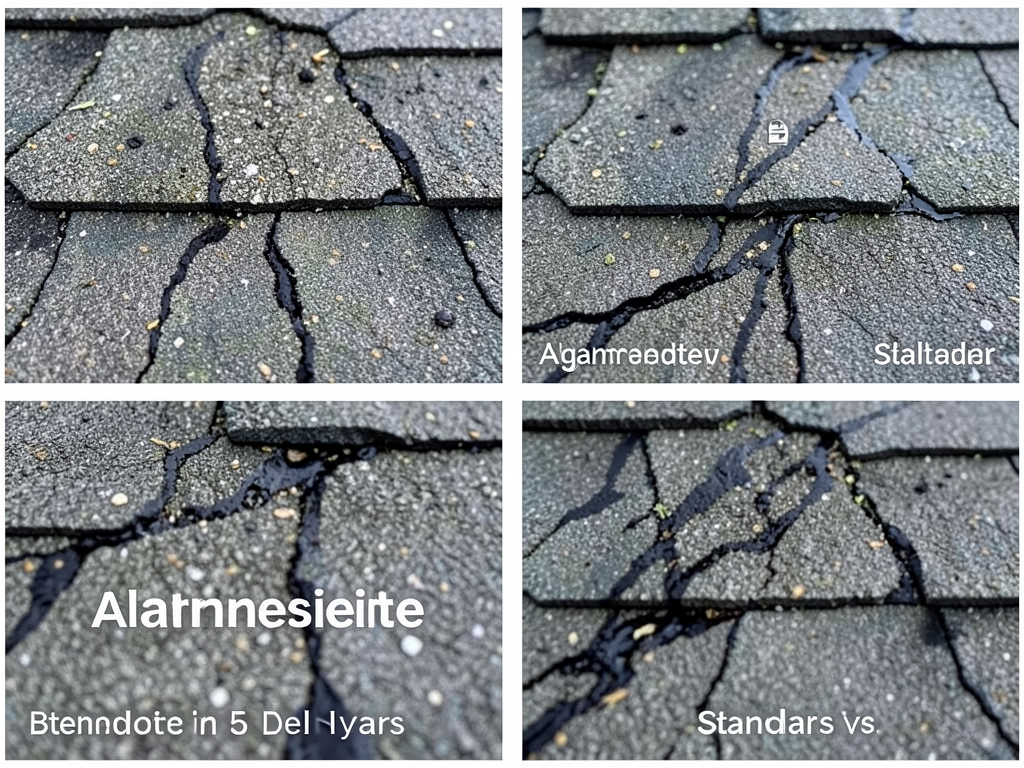
Modern architectural shingles have come a long way from the basic three-tab versions. For Maryland homes, the key upgrade is algae-resistant technology. Gloeocapsa magma, the black streaking algae common in humid climates, can ruin a roof’s appearance within five years.
Look for shingles with copper or zinc granules that inhibit algae growth. Most major manufacturers now offer 25-year or 30-year algae resistance warranties. These shingles also feature better wind ratings (130 mph vs 60 mph for basic shingles) and thicker construction that resists hail damage.
The diagnostic test we use: Press a quarter into the shingle surface. Quality architectural shingles will barely flex, while cheap versions show visible deformation. This simple test predicts how well the shingle will handle Maryland’s summer heat and winter ice.
2. Standing Seam Metal Roofing
Metal roofing excels in Maryland’s climate for several reasons. The smooth surface sheds water and debris quickly, preventing algae buildup. The material reflects solar heat, reducing cooling costs during Baltimore’s humid summers. Most importantly, properly coated steel or aluminum resists salt air corrosion. How Much a New Roof Costs in Towson (2026 Estimates).
For homes within 10 miles of the Chesapeake Bay, choose aluminum or galvanized steel with a Kynar 500 finish. This coating system withstands salt spray for 30+ years. Standing seam systems also handle wind uplift better than exposed fastener systems, crucial during Nor’easters.
The installation matters as much as the material. We always install a synthetic underlayment beneath metal roofs in Maryland. This extra layer prevents condensation buildup during humid nights when temperatures drop. Metal Retrofit Roofing.
3. Slate Roofing for Historic Baltimore Homes
Baltimore’s historic districts like Fells Point and Mount Vernon feature beautiful slate roofs that have lasted over 100 years. Natural slate withstands Maryland’s weather because it’s essentially impervious to moisture and UV damage. The weight actually helps resist wind uplift.
However, slate requires proper installation and maintenance. The nails must be stainless steel to prevent corrosion, and the roof deck must be solid enough to support the weight. Many Baltimore rowhomes need structural reinforcement before slate installation.
The cost is high, typically $15-25 per square foot installed, but a properly installed slate roof can last 75-100 years in Maryland’s climate. That’s less than $0.30 per year in material cost over the lifespan.
4. Synthetic Slate Roofing
Synthetic slate offers the look of natural slate without the weight and cost. Made from recycled rubber and plastic, these tiles resist Maryland’s humidity and salt air while being much lighter than natural slate.
The best synthetic slates carry 50-year warranties and withstand winds up to 110 mph. They’re also impact-resistant, important for areas prone to hailstorms. The material doesn’t support algae growth, and it maintains its color even under intense UV exposure.
Installation is faster than natural slate, and the material works well on Baltimore’s older homes that can’t support the weight of real slate. The cost runs $8-12 per square foot installed, about half the price of natural slate.
5. Cedar Shakes with Proper Treatment
Cedar shakes offer natural beauty and excellent insulation, but they require specific treatments to survive Maryland’s climate. Untreated cedar rots within 10 years in our humidity. However, pressure-treated cedar with fire retardant and algae inhibitors can last 30+ years.
The key is the treatment process. We only use shakes treated with both a water repellent and a biocide. This combination prevents both moisture absorption and biological growth. The shakes also need proper spacing to allow airflow, preventing moisture buildup underneath.
Cedar works particularly well on homes in wooded areas of Baltimore County where the natural look complements the surroundings. The material also provides excellent insulation, reducing both heating and cooling costs.
Cost vs. Lifespan Comparison for Maryland Roofing Materials
Choosing the right material means balancing upfront cost against long-term value. Here’s how the top materials compare specifically for Maryland’s climate conditions.
| Material | Initial Cost/sq ft | Expected Lifespan in Maryland | Best For | Climate Resistance Rating |
|---|---|---|---|---|
| Architectural Asphalt Shingles | $4.50 – $7.00 | 20-25 years | Most Baltimore homes | Good |
| Standing Seam Metal | $10.00 – $15.00 | 40-50 years | Near Chesapeake Bay | Excellent |
| Natural Slate | $15.00 – $25.00 | 75-100 years | Historic districts | Excellent |
| Synthetic Slate | $8.00 – $12.00 | 40-50 years | Weight-restricted homes | Very Good |
| Pressure-Treated Cedar | $6.00 – $9.00 | 25-30 years | Wooded areas | Good |
Maryland Building Code Requirements for Roofing
Maryland’s building codes include specific requirements that affect material choices. The International Building Code is adopted statewide with local amendments. Baltimore City adds additional requirements for historic districts. National Roofing Contractors Association consumer resources.
Key code requirements include:
- Minimum Class A fire rating for all new installations (IBC Section 1505)
- Wind uplift requirements of 90 mph minimum for most areas (IBC Section 1609)
- Ice and water shield required in valleys and along eaves (Baltimore City Code 15-4-505)
- Cool roof requirements for commercial buildings over 10,000 square feet
The ice and water shield requirement is particularly important in Maryland. Our freeze-thaw cycles create ice dams that force water under shingles. The shield, typically a rubberized asphalt membrane, prevents this water infiltration.
Special Considerations for Baltimore Rowhouses
Baltimore’s iconic rowhouses present unique roofing challenges. Most have low-slope or flat roofs, requiring different materials than traditional sloped roofs. The dense urban environment also affects material choices.
For flat or low-slope roofs, modified bitumen and TPO membranes outperform traditional shingles. These materials create a continuous waterproof barrier without seams that can fail under ponding water. The dark color common in historic districts also absorbs heat, so reflective coatings can reduce cooling costs.
Historic preservation guidelines in areas like Federal Hill and Canton often require specific materials or colors. Before replacing a roof in these districts, check with the Baltimore City Commission for Historical and Architectural Preservation (CHAP). Why Your Federal Hill Flat Roof is Leaking and How to Fix It for Good.
Energy Efficiency and Maryland’s Climate
Maryland’s energy codes include cool roof requirements for commercial buildings, but residential homeowners can also benefit from energy-efficient roofing. The right material can reduce cooling costs by 15-30 percent during Baltimore’s humid summers.
Energy-efficient options include:
- Metal roofing with reflective coatings
- Light-colored asphalt shingles with reflective granules
- Tile roofing with natural air gaps
- Proper attic ventilation to prevent heat buildup
The Department of Energy recommends a combination of reflective roofing and proper attic ventilation for maximum energy savings. In Baltimore’s climate, this combination can pay for itself within 5-7 years through reduced utility bills. Department of Energy roofing guide.
Maintenance Requirements by Material
Even the best roofing material fails without proper maintenance. Maryland’s climate creates specific maintenance needs for each material type.
Asphalt shingles need annual inspections to check for algae growth and damaged shingles. The humid climate accelerates organic growth, so cleaning may be needed every 2-3 years. Metal roofs require checking seams and fasteners annually, especially after storms. The salt air near the Chesapeake necessitates more frequent inspections.
Slate and synthetic slate need minimal maintenance but require professional inspection every 5 years to check for cracked tiles. Cedar shakes need treatment every 5-7 years to maintain their protective coatings. The treatment also includes fungicide to prevent rot in our humid climate.
Cost Factors Beyond Material Price
The material cost represents only part of your total roofing investment. Installation complexity, roof accessibility, and local disposal fees all affect the final price.
Baltimore’s rowhouse density often requires special equipment for material delivery and debris removal. Limited street parking may necessitate permits for staging areas. Historic districts may require special disposal of old materials to comply with preservation guidelines.
Roof pitch also affects cost. Steeper roofs require more safety equipment and take longer to install. Low-slope roofs may need additional underlayment layers to prevent water infiltration during heavy rains.
When to Replace vs. Repair Your Roof
Not every roofing problem requires complete replacement. Understanding when repair suffices versus when replacement is necessary can save thousands of dollars.
Repair makes sense if less than 30 percent of the roof shows damage, the existing material is still available, and the roof structure is sound. Replacement becomes necessary when multiple layers exist (most codes limit to two layers), widespread deterioration occurs, or energy efficiency improvements justify the investment.
The moisture meter test helps determine roof deck condition. If moisture readings exceed 15 percent in multiple areas, the underlying structure likely needs replacement along with the surface materials.
Making Your Final Decision
Choosing the right roofing material for your Baltimore home means balancing several factors: your budget, your home’s architecture, local building codes, and your long-term plans for the property.
For most homeowners, architectural asphalt shingles offer the best combination of cost, performance, and ease of maintenance. They handle Maryland’s weather well, come in numerous styles to match your home’s architecture, and cost significantly less than premium materials.
However, if you live near the water, plan to stay in your home long-term, or need to match historic requirements, investing in premium materials like metal or slate often makes financial sense over the full lifespan.
The key is working with a contractor who understands Maryland’s specific climate challenges and can recommend materials based on your exact location and home characteristics, not just what’s cheapest or most profitable for them.
Frequently Asked Questions
What’s the best roofing material for a home near the Chesapeake Bay?
Aluminum standing seam metal roofing with a Kynar 500 finish offers the best combination of salt air resistance, wind uplift performance, and longevity for homes within 10 miles of the Chesapeake Bay.
How long should a roof last in Baltimore’s climate?
Quality architectural asphalt shingles typically last 20-25 years in Baltimore, while premium materials like metal or slate can last 40-100 years depending on maintenance and installation quality.
Are cool roofs required in Maryland?
Maryland’s building energy codes require cool roofs for commercial buildings over 10,000 square feet. Residential requirements vary by jurisdiction, but energy-efficient materials often qualify for utility rebates.
How does Baltimore’s humidity affect roofing materials?
High humidity accelerates algae growth on asphalt shingles, promotes wood rot in organic materials, and can cause condensation issues under metal roofing if not properly installed with adequate ventilation.
What building permits are required for roofing in Baltimore?
Baltimore City requires permits for all roofing work, including material replacements. Historic districts need additional CHAP approval. County requirements vary, with some areas requiring permits only for complete replacements.
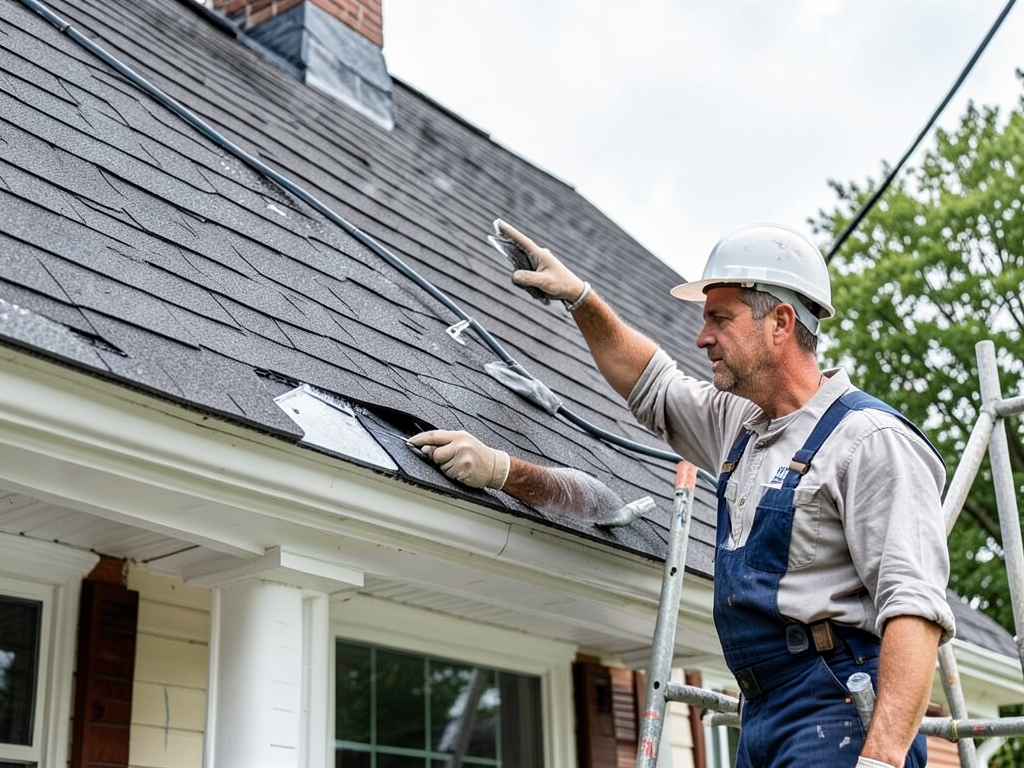
Diagram showing how algae-resistant granules in modern shingles prevent black streaking common in Maryland’s humid climate.
Cross-section of a properly installed standing seam metal roof showing underlayment, ventilation gaps, and fastener placement for Maryland’s weather conditions.
Comparison chart of roof deck moisture readings showing when repair versus replacement becomes necessary in Baltimore’s climate.
Ready to Protect Your Home with the Right Roofing Material?
Don’t wait until the next Maryland storm reveals your roof’s weaknesses. Our team understands exactly how Baltimore’s unique climate affects different roofing materials, and we’ll help you choose the best option for your home’s specific needs and your budget.
Call (443) 455-9099 today to schedule your free roofing consultation. We’ll inspect your current roof, discuss material options, and provide a detailed quote with no high-pressure sales tactics. Our weekend service means we can work around your schedule, not the other way around.
Pick up the phone and call (443) 455-9099 before the next storm hits. Your home deserves a roof that’s built to handle everything Maryland’s weather can throw at it.
{
“@context”: “https://schema.org”,
“@type”: “BlogPosting”,
“headline”: “The Best Roofing Materials for Withstanding Maryland’s Humid Summers and Salty Air”,
“description”: “Discover which roofing materials resist Baltimore’s humidity, salt air, and storms. Get expert advice on asphalt shingles, metal, slate, and more for Maryland homes.”,
“wordCount”: 2184,
“datePublished”: “2026-02-24T10:29:00.000Z”,
“dateModified”: “2026-02-24T10:29:00.000Z”,
“inLanguage”: “en-US”,
“mainEntityOfPage”: {
“@type”: “WebPage”,
“@id”: “https://aplusroofingbaltimore.com”
},
“publisher”: {
“@type”: “LocalBusiness”,
“name”: “A Plus Roofing Baltimore”,
“url”: “https://aplusroofingbaltimore.com”
},
“author”: {
“@type”: “Organization”,
“name”: “A Plus Roofing Baltimore”,
“url”: “https://aplusroofingbaltimore.com”
},
“image”: {
“@type”: “ImageObject”,
“url”: “https://aplusroofingbaltimore.com/wp-content/uploads/2026/03/the-best-roofing-materials-for-withstanding-maryla-1.png”
}
}
{
“@context”: “https://schema.org”,
“@type”: “RoofingContractor”,
“name”: “A Plus Roofing Baltimore”,
“url”: “https://aplusroofingbaltimore.com”,
“address”: {
“@type”: “PostalAddress”,
“addressLocality”: “Baltimore”
},
“areaServed”: {
“@type”: “City”,
“name”: “Baltimore”
}
}
{
“@context”: “https://schema.org”,
“@type”: “FAQPage”,
“mainEntity”: [
{
“@type”: “Question”,
“name”: “What’s the best roofing material for a home near the Chesapeake Bay?”,
“acceptedAnswer”: {
“@type”: “Answer”,
“text”: “Aluminum standing seam metal roofing with a Kynar 500 finish offers the best combination of salt air resistance, wind uplift performance, and longevity for homes within 10 miles of the Chesapeake Bay.”
}
},
{
“@type”: “Question”,
“name”: “How long should a roof last in Baltimore’s climate?”,
“acceptedAnswer”: {
“@type”: “Answer”,
“text”: “Quality architectural asphalt shingles typically last 20-25 years in Baltimore, while premium materials like metal or slate can last 40-100 years depending on maintenance and installation quality.”
}
},
{
“@type”: “Question”,
“name”: “Are cool roofs required in Maryland?”,
“acceptedAnswer”: {
“@type”: “Answer”,
“text”: “Maryland’s building energy codes require cool roofs for commercial buildings over 10,000 square feet. Residential requirements vary by jurisdiction, but energy-efficient materials often qualify for utility rebates.”
}
},
{
“@type”: “Question”,
“name”: “How does Baltimore’s humidity affect roofing materials?”,
“acceptedAnswer”: {
“@type”: “Answer”,
“text”: “High humidity accelerates algae growth on asphalt shingles, promotes wood rot in organic materials, and can cause condensation issues under metal roofing if not properly installed with adequate ventilation.”
}
},
{
“@type”: “Question”,
“name”: “What building permits are required for roofing in Baltimore?”,
“acceptedAnswer”: {
“@type”: “Answer”,
“text”: “Baltimore City requires permits for all roofing work, including material replacements. Historic districts need additional CHAP approval. County requirements vary, with some areas requiring permits only for complete replacements.”
}
},
{
“@type”: “Question”,
“name”: “Ready to Protect Your Home with the Right Roofing Material?”,
“acceptedAnswer”: {
“@type”: “Answer”,
“text”: “Don’t wait until the next Maryland storm reveals your roof’s weaknesses. Our team understands exactly how Baltimore’s unique climate affects different roofing materials, and we’ll help you choose the best option for your home’s specific needs and your budget.”
}
}
]
}
{
“@context”: “https://schema.org”,
“@type”: “BreadcrumbList”,
“itemListElement”: [
{
“@type”: “ListItem”,
“position”: 1,
“name”: “Home”,
“item”: “https://aplusroofingbaltimore.com”
},
{
“@type”: “ListItem”,
“position”: 2,
“name”: “Blog”,
“item”: “https://aplusroofingbaltimore.com/blog”
},
{
“@type”: “ListItem”,
“position”: 3,
“name”: “The Best Roofing Materials for Withstanding Maryland’s Humid Summers and Salty Air”
}
]
}
{
“@context”: “https://schema.org”,
“@type”: “Service”,
“serviceType”: “Roofing”,
“provider”: {
“@type”: “LocalBusiness”,
“name”: “A Plus Roofing Baltimore”,
“url”: “https://aplusroofingbaltimore.com”
},
“areaServed”: {
“@type”: “City”,
“name”: “Baltimore”
},
“description”: “Discover which roofing materials resist Baltimore’s humidity, salt air, and storms. Get expert advice on asphalt shingles, metal, slate, and more for Maryland homes.”
}