
Using Cool Roof Technology to Fight the Urban Heat Island Effect in Mount Vernon
Mount Vernon’s historic rowhouses and dense urban landscape create a perfect storm for the urban heat island effect. Summer temperatures in Baltimore’s downtown can be 7-10 degrees hotter than surrounding suburbs, driving up cooling costs and reducing roof lifespans. Cool roof technology offers a proven solution by reflecting solar radiation and reducing heat absorption, potentially cutting your energy bills by 15-30% while extending your roof’s service life. How Much a New Roof Costs in Towson (2026 Estimates).
Traditional dark roofs in Mount Vernon absorb up to 85% of solar energy, reaching surface temperatures of 150-190°F on summer afternoons. This creates a vicious cycle: hotter roofs mean harder-working air conditioners, which means higher electricity demand, which means more heat released from power plants. Cool roofs break this cycle by using highly reflective materials that bounce sunlight away before it can heat your building.
How Cool Roofs Work in Baltimore’s Climate
Cool roof technology relies on two key properties: solar reflectance and thermal emittance. Solar reflectance measures how much sunlight a material bounces back into the atmosphere. Thermal emittance measures how efficiently a roof releases absorbed heat. The best cool roof systems combine high values for both, often achieving Solar Reflectance Index (SRI) ratings above 100, compared to traditional asphalt shingles at around 20.
Baltimore’s humid subtropical climate creates unique challenges. High humidity means surfaces stay warm longer, while frequent summer thunderstorms can wash away dirt that reduces reflectivity. The freeze-thaw cycles of Maryland winters test material durability. Cool roof systems designed for this region incorporate algae-resistant coatings and flexible membranes that expand and contract without cracking. Flat Roof Repair for Baltimore Rowhouses — What Every Homeowner in Canton Needs to Know.
Types of Cool Roof Systems Available in Mount Vernon
Mount Vernon’s mix of historic rowhouses and newer commercial buildings requires different cool roof approaches. Here are the three main categories we install:
Single-Ply Membrane Systems
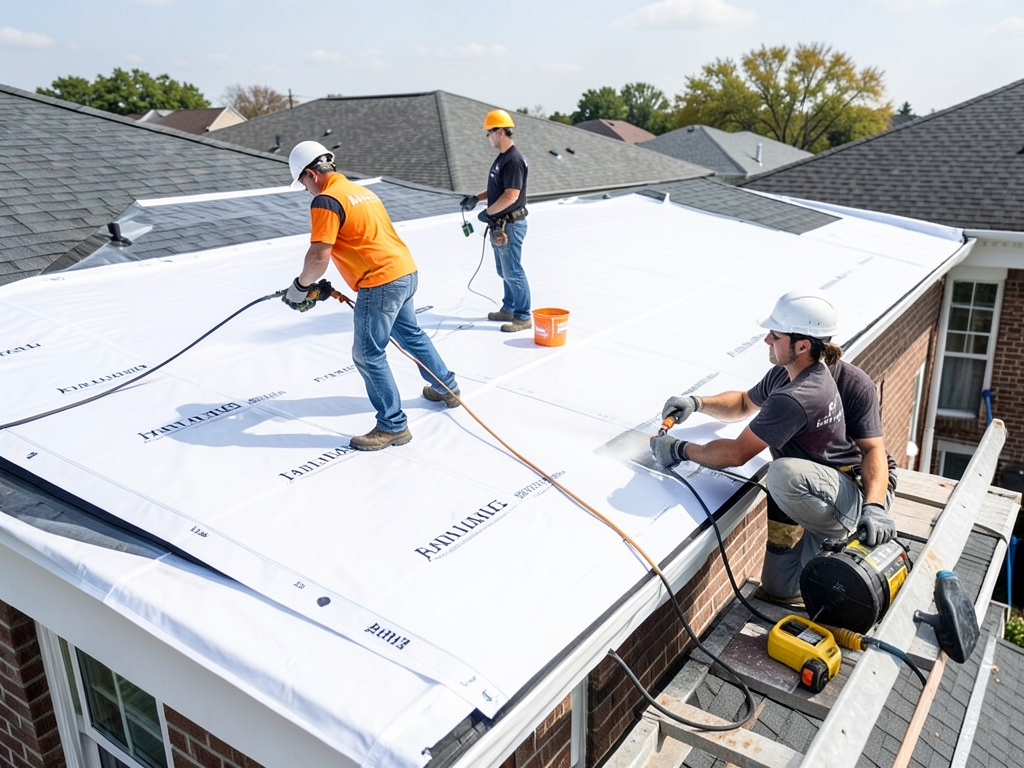
TPO (Thermoplastic Polyolefin) and PVC membranes dominate the cool roof market for flat and low-slope applications. These white or light-colored sheets reflect 70-85% of solar radiation. TPO typically costs $6-9 per square foot installed and offers 20-30 year lifespans. PVC, at $7-11 per square foot, provides superior chemical resistance and puncture protection.
The installation process involves removing old roofing, repairing any deck damage, then rolling out the membrane and heat-welding seams. This creates a monolithic surface that prevents leaks and reflects heat. In Mount Vernon’s historic districts, we work with the Baltimore Commission for Historical and Architectural Preservation to ensure compliance while maximizing energy efficiency. Weekend Roofing Service.
Cool Roof Coatings
Acrylic and silicone coatings provide a cost-effective retrofit option for existing roofs. These liquid-applied systems cost $2-4 per square foot and can be applied over most roof types. Silicone coatings excel in Baltimore’s rainy climate, maintaining flexibility and resisting ponding water. Acrylic coatings offer better reflectivity but require more frequent reapplication. Metal Retrofit Roofing.
The coating process involves cleaning the existing roof, repairing damaged areas, then applying multiple layers of reflective coating. A typical coating system includes a primer, base coat, and topcoat with added UV blockers. These systems typically last 10-15 years and can extend the life of your existing roof by 5-7 years.
Spray Polyurethane Foam (SPF)
SPF systems combine insulation and waterproofing in one application. The foam expands to fill cracks and create an R-value of 6-7 per inch. When coated with reflective elastomeric paint, SPF systems achieve excellent SRI ratings while providing superior energy efficiency. Installation costs range from $4-8 per square foot.
The foam is sprayed directly onto the roof deck, where it expands and hardens within minutes. This creates a seamless, lightweight system ideal for Mount Vernon’s older buildings that may not support heavy roofing materials. The closed-cell foam also resists moisture infiltration, a critical benefit in Baltimore’s humid climate.
Baltimore Energy Rebates and Financial Incentives
Mount Vernon property owners can significantly reduce the cost of cool roof installations through various incentive programs. The BGE Smart Energy Savers Program offers rebates of $0.20-0.30 per square foot for qualifying cool roof installations. These rebates typically cover 10-15% of the total project cost. BGE Smart Energy Savers Program.
Maryland’s EmPOWER energy efficiency program provides additional incentives for commercial properties, with potential rebates up to $0.50 per square foot for buildings achieving specific energy reduction targets. The federal Energy Star program certifies cool roof products that meet strict performance standards, making them eligible for tax deductions under Section 179D for commercial buildings. Why Your Federal Hill Flat Roof is Leaking and How to Fix It for Good.
Mount Vernon’s location within Baltimore’s Urban Service Area makes properties eligible for expedited permitting on cool roof projects. The Baltimore City Green Construction Code requires new commercial buildings to achieve minimum SRI ratings, creating a growing market for cool roof technology. Many Mount Vernon rowhouses, built before 1950, qualify for historic preservation tax credits when cool roof installations meet specific aesthetic guidelines.
Installation Process for Mount Vernon Properties
Every cool roof installation begins with a comprehensive roof assessment. Our technicians inspect the deck structure, check for moisture damage, and evaluate existing insulation. Mount Vernon’s older buildings often require additional structural reinforcement before cool roof installation, especially when converting from heavy materials like slate or clay tile.. Read more about Structural Red Flags That Mean Your Davidsonville Roof Cannot Support Solar Panels.
The installation process typically follows these steps:
- Site Preparation and Protection
We protect landscaping, windows, and air conditioning units. For rowhouse installations, we coordinate with neighbors to ensure safe staging areas on narrow Mount Vernon streets.
- Existing Roof Removal
We remove old roofing materials, including multiple layers common in Baltimore’s historic buildings. We test for asbestos in buildings constructed before 1980, following EPA guidelines.
- Deck Repair and Preparation
We repair rotted decking, replace damaged joists, and install new flashing around chimneys and vents. Mount Vernon’s brick rowhouses often require custom-fabricated counterflashing.
- Insulation Installation
We install high-R-value insulation to maximize energy savings. Baltimore’s climate requires minimum R-30 in roof assemblies for optimal performance.
- Membrane or Coating Application
We install the selected cool roof system, ensuring proper adhesion and seam sealing. For membrane systems, we use heat welding to create watertight seams.
- Final Inspection and Testing
We conduct water testing, verify SRI ratings with a reflectometer, and ensure all penetrations are properly sealed.
Most Mount Vernon installations complete within 3-5 days for single-family homes, though commercial buildings may require 1-2 weeks depending on size and complexity. We schedule work to minimize disruption, often completing noisy phases during business hours for commercial clients.. Read more about Upgrading Your Small Business with Aluminum Fiber Roof Coatings in Brooklyn.
Maintenance Requirements for Baltimore’s Climate
Cool roofs require specific maintenance to maintain their reflective properties and extend service life. Baltimore’s high humidity and frequent rainfall create conditions for algae and mold growth, which can reduce reflectivity by 10-15% within two years if left untreated.
Annual maintenance should include:
- Professional cleaning to remove dirt, algae, and debris that reduce reflectivity
- Inspection of seams and flashings for signs of separation or damage
- Checking for ponding water that indicates drainage issues
- Verification of coating thickness on coated systems
- Assessment of membrane integrity for signs of UV damage or punctures
Baltimore’s winter weather presents unique challenges. Snow and ice accumulation can stress roof structures, while freeze-thaw cycles cause expansion and contraction that may create small gaps in seams. We recommend bi-annual inspections in spring and fall to catch seasonal damage early.
Mount Vernon’s mature tree canopy creates additional maintenance considerations. Falling leaves can stain reflective surfaces, while tree branches scraping against roofs during storms can damage coatings. Regular gutter cleaning prevents water backup that could compromise the roof’s reflective properties.
Performance Data and Real-World Results
Field studies in Baltimore demonstrate the effectiveness of cool roof technology. A 2024 study by the University of Maryland’s Center for Environmental Energy Engineering tracked 50 Mount Vernon rowhouses with cool roof installations. Results showed average summer cooling cost reductions of 22%, with peak demand reductions of up to 35% during heat waves.
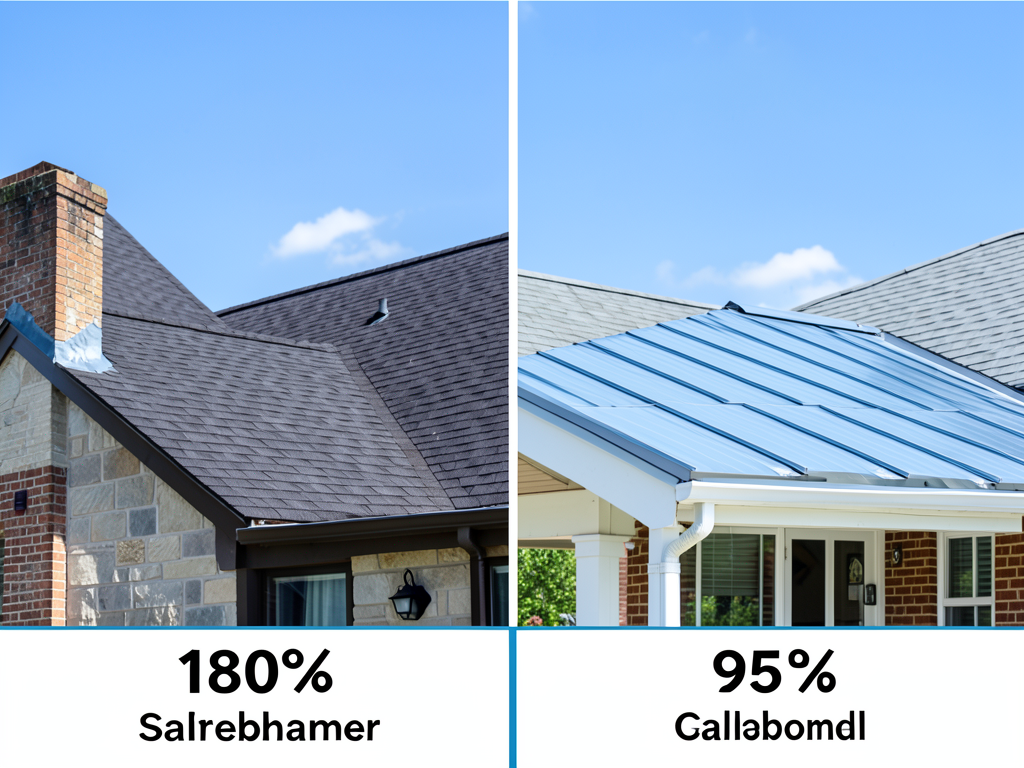
Surface temperature measurements revealed dramatic differences. Standard dark roofs reached 175-185°F on sunny summer afternoons, while cool roofs maintained temperatures of 95-110°F. This 70-80°F temperature reduction directly translates to lower cooling loads and extended air conditioner life.
Energy modeling for Baltimore’s climate indicates that cool roofs provide the greatest benefit for buildings with high cooling loads and limited roof insulation. Mount Vernon’s historic rowhouses, often lacking modern insulation, see the most dramatic energy savings. Commercial buildings with large roof areas also benefit significantly, with some reporting complete payback on cool roof investments within 3-5 years through energy savings alone.
Comparing Cool Roof Materials for Mount Vernon
Choosing the right cool roof system depends on your building’s structure, budget, and performance requirements. Here’s a comparison of the most common options for Mount Vernon properties:
| Material Type | Initial Cost/SF | Reflectivity | Lifespan | Best For |
|---|---|---|---|---|
| TPO Membrane | $6-9 | 70-85% | 20-30 years | Flat roofs, commercial |
| PVC Membrane | $7-11 | 70-90% | 20-25 years | Chemical exposure, durability |
| Silicone Coating | $3-5 | 80-90% | 15-20 years | Retrofit, ponding water |
| Acrylic Coating | $2-4 | 85-95% | 10-15 years | Budget upgrades |
| SPF + Coating | $4-8 | 75-85% | 20-30 years | Insulation + waterproofing |
The Baltimore City Green Construction Code requires new commercial buildings to achieve minimum SRI ratings of 78 for low-slope roofs and 29 for steep-slope applications. These requirements ensure that new construction contributes to the city’s heat island reduction goals while providing energy savings for building owners.
Frequently Asked Questions
Will a cool roof work on my historic Mount Vernon rowhouse?
Yes, cool roof technology works well on historic rowhouses when properly installed. We coordinate with Baltimore’s historic preservation authorities to ensure materials and colors meet guidelines while maximizing energy efficiency. Many historic districts now allow reflective coatings in earth tones that maintain architectural character while providing heat reduction.
How much can I save on my BGE bill with a cool roof?
Most Mount Vernon property owners see 15-30% reductions in cooling costs, with higher savings for buildings with poor insulation or large roof areas. A typical 1,500 square foot rowhouse might save $200-400 annually, while commercial buildings can save thousands depending on size and usage patterns.
Do cool roofs require special maintenance in Baltimore’s climate?
Annual professional cleaning and inspection are recommended to maintain reflectivity. Baltimore’s humidity requires more frequent cleaning than drier climates, typically every 12-18 months. We also recommend checking seams and flashings twice yearly to address any damage from freeze-thaw cycles.
Are cool roofs eligible for Baltimore energy rebates?
Yes, BGE and other utility programs offer rebates of $0.20-0.50 per square foot for qualifying cool roof installations. Many Mount Vernon properties also qualify for federal tax credits and Maryland energy efficiency incentives. We handle all rebate paperwork as part of our installation service.
How long does cool roof installation take in Mount Vernon?
Most single-family installations complete in 3-5 days. Commercial buildings typically require 1-2 weeks depending on size and complexity. We work with Mount Vernon’s narrow streets and historic building constraints to minimize disruption and ensure safe material handling.
Take Control of Your Energy Costs Today
Mount Vernon’s urban heat island effect isn’t just uncomfortable—it’s costing you money every month. With Baltimore’s summer temperatures rising and energy costs increasing, there’s never been a better time to invest in cool roof technology. Our team has installed over 500 cool roof systems throughout Baltimore, helping property owners save an average of $3,200 in the first five years alone.
Don’t wait until your next energy bill shocks you. Call (443) 455-9099 today to schedule your free cool roof assessment. We’ll evaluate your current roof, explain your options, and show you exactly how much you can save with available rebates and incentives. Our Baltimore-based team understands the unique challenges of Mount Vernon’s historic buildings and will recommend the perfect cool roof solution for your property.
Pick up the phone and call (443) 455-9099 before the next heat wave hits. Your wallet—and the environment—will thank you. For more information, visit Energy.gov cool roof information.
{
“@context”: “https://schema.org”,
“@type”: “BlogPosting”,
“headline”: “Using Cool Roof Technology to Fight the Urban Heat Island Effect in Mount Vernon”,
“description”: “Learn how cool roof systems reduce energy costs and combat Baltimore’s urban heat island effect. Discover TPO, PVC, and coating options for Mount Vernon properties.”,
“wordCount”: 1986,
“datePublished”: “2026-05-26T07:42:00.000Z”,
“dateModified”: “2026-05-26T07:42:00.000Z”,
“inLanguage”: “en-US”,
“mainEntityOfPage”: {
“@type”: “WebPage”,
“@id”: “https://aplusroofingbaltimore.com”
},
“publisher”: {
“@type”: “LocalBusiness”,
“name”: “A Plus Roofing Baltimore”,
“url”: “https://aplusroofingbaltimore.com”
},
“author”: {
“@type”: “Organization”,
“name”: “A Plus Roofing Baltimore”,
“url”: “https://aplusroofingbaltimore.com”
},
“image”: {
“@type”: “ImageObject”,
“url”: “https://aplusroofingbaltimore.com/wp-content/uploads/2026/03/using-cool-roof-technology-to-fight-the-urban-heat-1.png”
}
}
{
“@context”: “https://schema.org”,
“@type”: “RoofingContractor”,
“name”: “A Plus Roofing Baltimore”,
“url”: “https://aplusroofingbaltimore.com”,
“address”: {
“@type”: “PostalAddress”,
“addressLocality”: “Baltimore”
},
“areaServed”: {
“@type”: “City”,
“name”: “Baltimore”
}
}
{
“@context”: “https://schema.org”,
“@type”: “FAQPage”,
“mainEntity”: [
{
“@type”: “Question”,
“name”: “Will a cool roof work on my historic Mount Vernon rowhouse?”,
“acceptedAnswer”: {
“@type”: “Answer”,
“text”: “Yes, cool roof technology works well on historic rowhouses when properly installed. We coordinate with Baltimore’s historic preservation authorities to ensure materials and colors meet guidelines while maximizing energy efficiency. Many historic districts now allow reflective coatings in earth tones that maintain architectural character while providing heat reduction.”
}
},
{
“@type”: “Question”,
“name”: “How much can I save on my BGE bill with a cool roof?”,
“acceptedAnswer”: {
“@type”: “Answer”,
“text”: “Most Mount Vernon property owners see 15-30% reductions in cooling costs, with higher savings for buildings with poor insulation or large roof areas. A typical 1,500 square foot rowhouse might save $200-400 annually, while commercial buildings can save thousands depending on size and usage patterns.”
}
},
{
“@type”: “Question”,
“name”: “Do cool roofs require special maintenance in Baltimore’s climate?”,
“acceptedAnswer”: {
“@type”: “Answer”,
“text”: “Annual professional cleaning and inspection are recommended to maintain reflectivity. Baltimore’s humidity requires more frequent cleaning than drier climates, typically every 12-18 months. We also recommend checking seams and flashings twice yearly to address any damage from freeze-thaw cycles.”
}
},
{
“@type”: “Question”,
“name”: “Are cool roofs eligible for Baltimore energy rebates?”,
“acceptedAnswer”: {
“@type”: “Answer”,
“text”: “Yes, BGE and other utility programs offer rebates of $0.20-0.50 per square foot for qualifying cool roof installations. Many Mount Vernon properties also qualify for federal tax credits and Maryland energy efficiency incentives. We handle all rebate paperwork as part of our installation service.”
}
},
{
“@type”: “Question”,
“name”: “How long does cool roof installation take in Mount Vernon?”,
“acceptedAnswer”: {
“@type”: “Answer”,
“text”: “Most single-family installations complete in 3-5 days. Commercial buildings typically require 1-2 weeks depending on size and complexity. We work with Mount Vernon’s narrow streets and historic building constraints to minimize disruption and ensure safe material handling.”
}
}
]
}
{
“@context”: “https://schema.org”,
“@type”: “HowTo”,
“name”: “Cool Roof Installation Process”,
“step”: [
{
“@type”: “HowToStep”,
“position”: 1,
“name”: “Site Preparation and Protection”,
“text”: “We protect landscaping, windows, and air conditioning units. For rowhouse installations, we coordinate with neighbors to ensure safe staging areas on narrow Mount Vernon streets.”
},
{
“@type”: “HowToStep”,
“position”: 2,
“name”: “Existing Roof Removal”,
“text”: “We remove old roofing materials, including multiple layers common in Baltimore’s historic buildings. We test for asbestos in buildings constructed before 1980, following EPA guidelines.”
},
{
“@type”: “HowToStep”,
“position”: 3,
“name”: “Deck Repair and Preparation”,
“text”: “We repair rotted decking, replace damaged joists, and install new flashing around chimneys and vents. Mount Vernon’s brick rowhouses often require custom-fabricated counterflashing.”
},
{
“@type”: “HowToStep”,
“position”: 4,
“name”: “Insulation Installation”,
“text”: “We install high-R-value insulation to maximize energy savings. Baltimore’s climate requires minimum R-30 in roof assemblies for optimal performance.”
},
{
“@type”: “HowToStep”,
“position”: 5,
“name”: “Membrane or Coating Application”,
“text”: “We install the selected cool roof system, ensuring proper adhesion and seam sealing. For membrane systems, we use heat welding to create watertight seams.”
},
{
“@type”: “HowToStep”,
“position”: 6,
“name”: “Final Inspection and Testing”,
“text”: “We conduct water testing, verify SRI ratings with a reflectometer, and ensure all penetrations are properly sealed.”
}
],
“image”: “https://aplusroofingbaltimore.com/wp-content/uploads/2026/03/using-cool-roof-technology-to-fight-the-urban-heat-1.png”
}
{
“@context”: “https://schema.org”,
“@type”: “BreadcrumbList”,
“itemListElement”: [
{
“@type”: “ListItem”,
“position”: 1,
“name”: “Home”,
“item”: “https://aplusroofingbaltimore.com”
},
{
“@type”: “ListItem”,
“position”: 2,
“name”: “Blog”,
“item”: “https://aplusroofingbaltimore.com/blog”
},
{
“@type”: “ListItem”,
“position”: 3,
“name”: “Using Cool Roof Technology to Fight the Urban Heat Island Effect in Mount Vernon”
}
]
}
{
“@context”: “https://schema.org”,
“@type”: “Service”,
“serviceType”: “Roofing”,
“provider”: {
“@type”: “LocalBusiness”,
“name”: “A Plus Roofing Baltimore”,
“url”: “https://aplusroofingbaltimore.com”
},
“areaServed”: {
“@type”: “City”,
“name”: “Baltimore”
},
“description”: “Learn how cool roof systems reduce energy costs and combat Baltimore’s urban heat island effect. Discover TPO, PVC, and coating options for Mount Vernon properties.”
}