
Where Do Your Old Shingles Go? Understanding Eco-Friendly Roof Disposal in Baltimore
Every year Baltimore roofing projects generate thousands of tons of old asphalt shingles. Most homeowners never think about where those shingles end up after the tear-off. The truth is they often head straight to local landfills where they take up valuable space and never break down. But in 2026 there’s a better option. Asphalt shingle recycling is now widely available across Baltimore and surrounding Maryland counties. This guide explains how the process works what it costs and why it matters for both your wallet and the environment. Maryland Department of the Environment.
How Asphalt Shingle Recycling Works in Baltimore
The recycling process starts the moment your old roof comes off. Professional roofers use specialized equipment to collect and sort shingles right at the job site. They separate the asphalt material from nails and other debris using powerful magnets and screening systems. Clean sorted shingles then get loaded onto trucks and transported to processing facilities where they are ground into small pieces. These recycled bits become part of new asphalt pavement for roads and parking lots across Maryland. Asphalt Roofing Manufacturers Association.
Step-by-Step Shingle Recycling Process
- Tear-Off and Collection
Roofers use dump trailers or dumpsters lined with tarps to catch all shingle debris. This prevents contamination from dirt and other materials.
- Sorting and Cleaning
Magnets remove metal nails. Wood and other trash gets hand-picked out. Clean shingles move to the next step. Installing a Metal Roof in Columbia — Is It Worth the Investment?.
- Grinding and Processing
Industrial grinders break shingles into small pieces. The material is tested for moisture and contaminants before being accepted.
- Transport to Asphalt Plant
Processed shingles are delivered to local asphalt plants where they are mixed into new hot mix asphalt for road paving.
Baltimore Area Recycling Facilities and Drop-Off Locations
Several facilities in the Baltimore region accept clean asphalt shingles for recycling. The Northwest Transfer Station in Baltimore City handles residential loads. County facilities in Anne Arundel Howard and Baltimore County also accept roofing waste. Some facilities charge by the ton while others offer discounted rates for pre-sorted loads. Always call ahead to confirm current pricing and material requirements. Baltimore City Department of Public Works.
Cost Comparison: Recycling vs. Landfill Disposal
Recycling fees in Baltimore typically range from $20 to $40 per ton depending on the facility and how clean your load is. Landfill tipping fees often cost $50 to $70 per ton plus environmental surcharges. For a typical 2 000-square-foot roof generating about 2 to 3 tons of shingles recycling can save you $60 to $90 in disposal costs. Clean loads without wood or trash qualify for the lowest rates. How Much a New Roof Costs in Towson (2026 Estimates).
| Disposal Method | Cost Per Ton | Environmental Impact |
|---|---|---|
| Landfill (Baltimore City) | $55 – $70 | High. Material never breaks down. |
| Shingle Recycling | $20 – $40 | Low. Material reused in roads. |
| Sorting Required | Free – $25 | Medium. Depends on contamination. |
Maryland Environmental Regulations and Code Requirements
The Maryland Department of the Environment (MDE) encourages shingle recycling through its waste diversion goals. Baltimore City follows MDE guidelines which require proper sorting of construction debris. The International Building Code Section 1503.2 mandates that roof tear-off materials be disposed of according to local regulations. Many Baltimore contractors now include recycling as a standard part of their service to comply with these rules and reduce environmental impact. Flat Roof Repair for Baltimore Rowhouses — What Every Homeowner in Canton Needs to Know.
LEED and Green Building Benefits
Commercial projects in Baltimore can earn LEED certification points by recycling roofing materials. Under LEED v4 Construction and Demolition Waste Management credits projects can receive up to two points for diverting 75% or more of waste from landfills. For industrial buildings in areas like Port Covington or the Baltimore Peninsula recycling old shingles helps meet sustainability goals and reduces overall project waste by up to 20%.
What Materials Are Accepted
Most facilities accept standard fiberglass asphalt shingles including architectural and three-tab varieties. Organic felt-backed shingles from before 1980 may contain asbestos and require special handling. Cedar shakes wood shingles and rubber roofing are not accepted in shingle recycling streams. Always confirm with your recycling partner before loading materials.
| Material Type | Accepted? | Special Handling |
|---|---|---|
| Fiberglass Asphalt | Yes | Remove nails and wood |
| Organic Asphalt | Maybe | Test for asbestos if pre-1980 |
| Cedar Shakes | No | Take to wood recycling |
| Rubber Roofing | No | Special industrial disposal |
Environmental Impact on the Chesapeake Bay Watershed
Baltimore sits at the heart of the Chesapeake Bay watershed. Every ton of shingles kept out of landfills reduces potential runoff contamination. Recycled shingles replace virgin materials in road construction reducing the need for new petroleum-based products. The Asphalt Roofing Manufacturers Association estimates that recycling one ton of shingles saves about one barrel of oil. For Baltimore that adds up to thousands of barrels saved each year.
Full-Service vs. DIY Recycling Options
Homeowners can drop off clean shingles at local facilities but must handle all sorting and transport themselves. This option works for small DIY roofing projects. Professional roofers offer full-service recycling where they handle everything from tear-off to final delivery. For most Baltimore homeowners the convenience and guaranteed compliance make full-service the better choice especially for larger jobs.
Common Mistakes to Avoid
Mixing trash wood or metal with shingles contaminates the entire load and increases disposal costs. Wet or muddy shingles may be rejected at recycling facilities. Always keep materials dry and covered during transport. Never include roofing materials from before 1980 without testing for asbestos. Check local regulations as some Baltimore neighborhoods have specific disposal requirements. Metal Retrofit Roofing.
Choosing a Baltimore Roofer Who Recycles
When getting quotes ask contractors about their recycling practices. Reputable Baltimore roofers should provide documentation showing where materials go and what fees apply. Look for companies with established relationships with local recycling facilities. Ask if they offer LEED documentation for commercial projects. A Plus Roofing Baltimore has recycled over 500 tons of shingles in the past year keeping that material out of local landfills. Getting Your Roof Inspected Before Buying a Home in Locust Point.
The Future of Roofing Waste in Maryland
Maryland aims to divert 50% of construction waste from landfills by 2030. New technologies are making shingle recycling even more efficient. Some facilities now accept mixed loads with minimal sorting reducing costs further. As asphalt plants expand their use of recycled content the demand for clean shingle feedstock will grow. Baltimore is positioned to be a leader in this sustainable building practice.
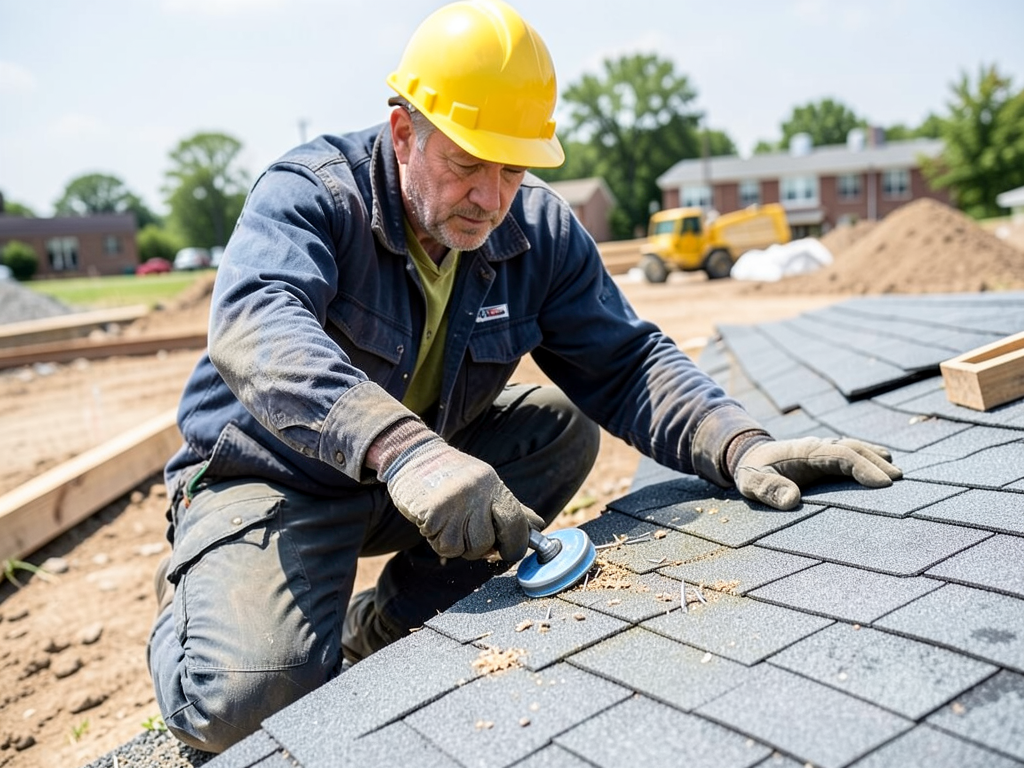
Diagram showing the shingle recycling process from tear-off through grinding to final use in asphalt pavement.
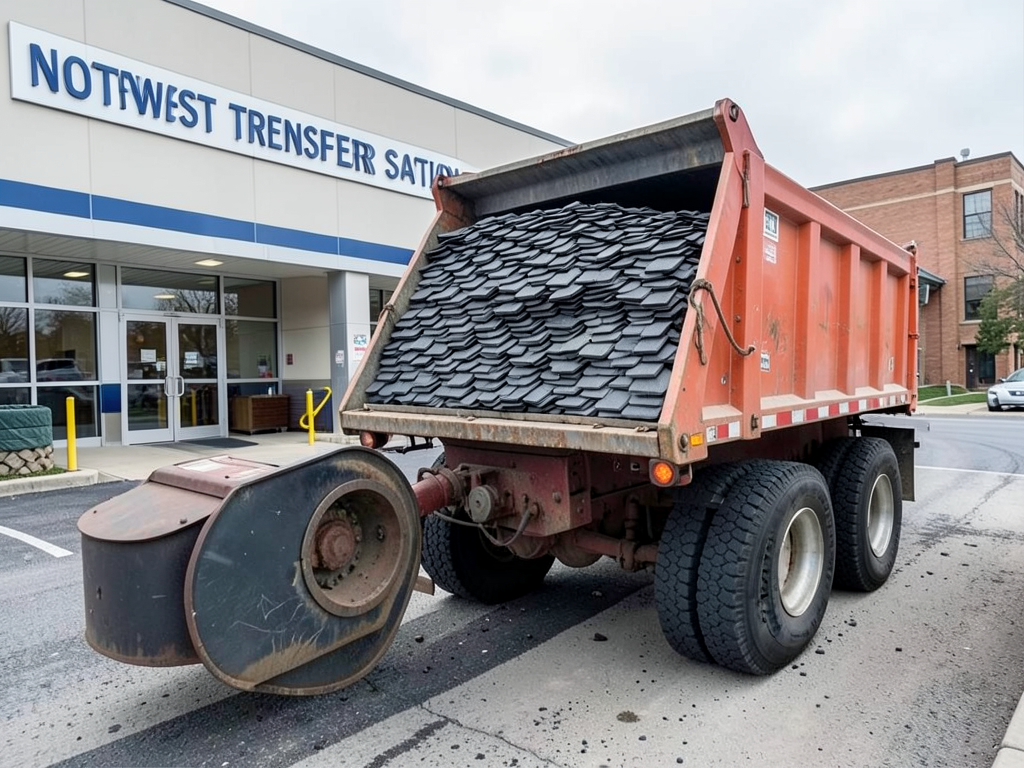
Photo of sorted clean asphalt shingles ready for transport to recycling facility.
Close-up of recycled asphalt pavement containing ground shingles being laid on a Baltimore road project.
Frequently Asked Questions
How much does shingle recycling cost in Baltimore?
Recycling fees range from $20 to $40 per ton. This is typically $15 to $30 cheaper than landfill disposal. Clean sorted loads get the best rates.
Can I recycle my old shingles myself?
Yes. You can drop off clean shingles at facilities like the Northwest Transfer Station. You must sort out all wood metal and trash yourself and transport the material.
Do recycled shingles really get used in roads?
Yes. Ground shingles become part of new asphalt pavement. The Recycled Asphalt Shingles (RAS) technology is approved by the Maryland Department of Transportation.
What if my shingles contain asbestos?
Shingles from before 1980 may contain asbestos. These require special testing and disposal through licensed hazardous waste handlers. Never mix these with regular recycling.
How do I know if my roofer recycles?
Ask for documentation of their recycling practices. Reputable contractors provide details on where materials go and can show recycling receipts. A Plus Roofing Baltimore tracks all recycled material by project.
Take Action Today
Ready to make your next roofing project more sustainable? Call (443) 455-9099 today to schedule your inspection. Our team will explain exactly how we handle your old shingles and provide a clear recycling plan with your estimate. Don’t let your old roof become tomorrow’s landfill problem. Pick up the phone and call (443) 455-9099 before the next storm hits. Your Baltimore community and the Chesapeake Bay will thank you.
Sources: Maryland Department of the Environment Waste Diversion Goals 2026. Asphalt Roofing Manufacturers Association Recycling Guidelines. Baltimore City Department of Public Works Construction and Demolition Waste Regulations.
{
“@context”: “https://schema.org”,
“@type”: “BlogPosting”,
“headline”: “Where Do Your Old Shingles Go? Understanding Eco-Friendly Roof Disposal in Baltimore”,
“description”: “Learn how Baltimore roofers recycle asphalt shingles to keep waste out of landfills. Find local recycling facilities, costs, and environmental benefits for your roofing project.”,
“wordCount”: 1408,
“datePublished”: “2026-04-09T15:47:00.000Z”,
“dateModified”: “2026-04-09T15:47:00.000Z”,
“inLanguage”: “en-US”,
“mainEntityOfPage”: {
“@type”: “WebPage”,
“@id”: “https://aplusroofingbaltimore.com”
},
“publisher”: {
“@type”: “LocalBusiness”,
“name”: “A Plus Roofing Baltimore”,
“url”: “https://aplusroofingbaltimore.com”
},
“author”: {
“@type”: “Organization”,
“name”: “A Plus Roofing Baltimore”,
“url”: “https://aplusroofingbaltimore.com”
},
“image”: {
“@type”: “ImageObject”,
“url”: “https://aplusroofingbaltimore.com/wp-content/uploads/2026/03/where-do-your-old-shingles-go-understanding-eco-fr-1.png”
}
}
{
“@context”: “https://schema.org”,
“@type”: “RoofingContractor”,
“name”: “A Plus Roofing Baltimore”,
“url”: “https://aplusroofingbaltimore.com”,
“address”: {
“@type”: “PostalAddress”,
“addressLocality”: “Baltimore”
},
“areaServed”: {
“@type”: “City”,
“name”: “Baltimore”
}
}
{
“@context”: “https://schema.org”,
“@type”: “FAQPage”,
“mainEntity”: [
{
“@type”: “Question”,
“name”: “How much does shingle recycling cost in Baltimore?”,
“acceptedAnswer”: {
“@type”: “Answer”,
“text”: “Recycling fees range from $20 to $40 per ton. This is typically $15 to $30 cheaper than landfill disposal. Clean sorted loads get the best rates.”
}
},
{
“@type”: “Question”,
“name”: “Can I recycle my old shingles myself?”,
“acceptedAnswer”: {
“@type”: “Answer”,
“text”: “Yes. You can drop off clean shingles at facilities like the Northwest Transfer Station. You must sort out all wood metal and trash yourself and transport the material.”
}
},
{
“@type”: “Question”,
“name”: “Do recycled shingles really get used in roads?”,
“acceptedAnswer”: {
“@type”: “Answer”,
“text”: “Yes. Ground shingles become part of new asphalt pavement. The Recycled Asphalt Shingles (RAS) technology is approved by the Maryland Department of Transportation.”
}
},
{
“@type”: “Question”,
“name”: “What if my shingles contain asbestos?”,
“acceptedAnswer”: {
“@type”: “Answer”,
“text”: “Shingles from before 1980 may contain asbestos. These require special testing and disposal through licensed hazardous waste handlers. Never mix these with regular recycling.”
}
},
{
“@type”: “Question”,
“name”: “How do I know if my roofer recycles?”,
“acceptedAnswer”: {
“@type”: “Answer”,
“text”: “Ask for documentation of their recycling practices. Reputable contractors provide details on where materials go and can show recycling receipts. A Plus Roofing Baltimore tracks all recycled material by project.”
}
}
]
}
{
“@context”: “https://schema.org”,
“@type”: “HowTo”,
“name”: “How Asphalt Shingle Recycling Works”,
“step”: [
{
“@type”: “HowToStep”,
“position”: 1,
“name”: “Tear-Off and Collection”,
“text”: “Roofers use dump trailers or dumpsters lined with tarps to catch all shingle debris. This prevents contamination from dirt and other materials.”
},
{
“@type”: “HowToStep”,
“position”: 2,
“name”: “Sorting and Cleaning”,
“text”: “Magnets remove metal nails. Wood and other trash gets hand-picked out. Clean shingles move to the next step. Installing a Metal Roof in Columbia — Is It Worth the Investment?.”
},
{
“@type”: “HowToStep”,
“position”: 3,
“name”: “Grinding and Processing”,
“text”: “Industrial grinders break shingles into small pieces. The material is tested for moisture and contaminants before being accepted.”
},
{
“@type”: “HowToStep”,
“position”: 4,
“name”: “Transport to Asphalt Plant”,
“text”: “Processed shingles are delivered to local asphalt plants where they are mixed into new hot mix asphalt for road paving.”
}
],
“image”: “https://aplusroofingbaltimore.com/wp-content/uploads/2026/03/where-do-your-old-shingles-go-understanding-eco-fr-1.png”
}
{
“@context”: “https://schema.org”,
“@type”: “BreadcrumbList”,
“itemListElement”: [
{
“@type”: “ListItem”,
“position”: 1,
“name”: “Home”,
“item”: “https://aplusroofingbaltimore.com”
},
{
“@type”: “ListItem”,
“position”: 2,
“name”: “Blog”,
“item”: “https://aplusroofingbaltimore.com/blog”
},
{
“@type”: “ListItem”,
“position”: 3,
“name”: “Where Do Your Old Shingles Go? Understanding Eco-Friendly Roof Disposal in Baltimore”
}
]
}
{
“@context”: “https://schema.org”,
“@type”: “Service”,
“serviceType”: “Roofing”,
“provider”: {
“@type”: “LocalBusiness”,
“name”: “A Plus Roofing Baltimore”,
“url”: “https://aplusroofingbaltimore.com”
},
“areaServed”: {
“@type”: “City”,
“name”: “Baltimore”
},
“description”: “Learn how Baltimore roofers recycle asphalt shingles to keep waste out of landfills. Find local recycling facilities, costs, and environmental benefits for your roofing project.”
}