
Finding water stains on your ceiling can send any homeowner into a panic. But before you call for emergency roof repairs, you need to know that many so-called leaks are actually attic condensation. In Laurel’s older homes and Baltimore’s humid climate, moisture from inside your house can create stains that look identical to a roof leak. EPA Mold Information.
The quick way to tell the difference is timing. If you see stains during cold snaps but not during heavy rain, you are likely dealing with condensation. If the stain appears right after a storm, you have a leak. The location also matters. Condensation often appears near bathroom vents or on north-facing walls where cold air meets warm indoor air.
Attic condensation happens when warm, moist air from your living space rises into the attic and hits cold surfaces. When the air temperature drops below the dew point, water vapor turns to liquid. This process is accelerated in Baltimore’s climate where summer humidity can reach 85% and winter temperatures frequently drop below freezing. Attic Ventilation Requirements.
Common signs of condensation include rusty nail heads poking through the roof deck, dark mold spots on insulation, and frost buildup on the underside of the roof in winter. These indicators point to ventilation problems rather than roof damage. The moisture often appears as a wide area of discoloration rather than a single drip point that you would see with a leak.
Laurel homes built before the 1980s are particularly vulnerable. Many have inadequate attic ventilation with small or blocked soffit vents. The Maryland Building Performance Standards now require specific ventilation ratios, but older homes were never updated to meet these requirements. Without proper airflow, moist air becomes trapped and condenses on cold surfaces.
The cost difference between fixing condensation and repairing a leak is significant. A simple ventilation upgrade might cost $800 to $1,500 while replacing damaged roof decking and shingles can run $3,000 to $8,000. That is why proper diagnosis matters. Flat Roof Repair for Baltimore Rowhouses — What Every Homeowner in Canton Needs to Know.
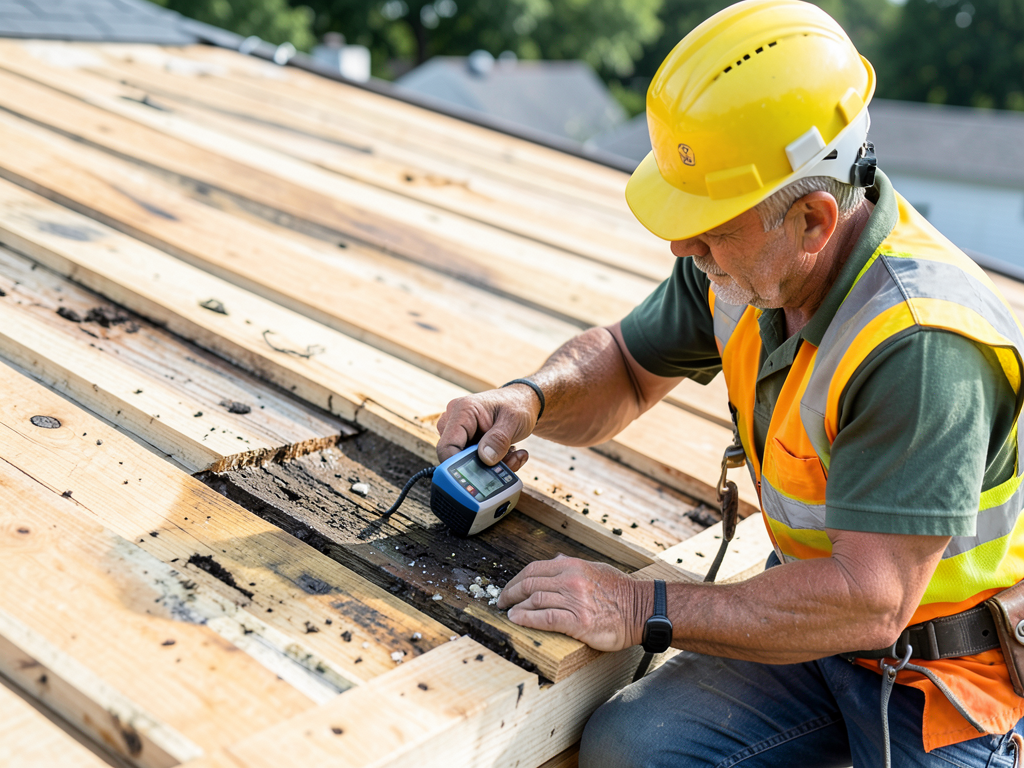
Diagram showing condensation forming on cold attic surfaces versus water dripping from a roof leak.
The Quick Diagnosis: The 5-Point Flashlight Test
Before you schedule any repairs, perform this simple inspection. You will need a bright flashlight and about 15 minutes in your attic.
- Check the timing
Look for stains after cold nights but no rain. Condensation appears during temperature drops when warm air meets cold surfaces.
- Inspect nail heads
Shine your light on the roof deck. Rusty or black nail heads indicate condensation is forming on metal surfaces. Installing a Metal Roof in Columbia — Is It Worth the Investment?.
- Feel the insulation
Damp insulation in large areas suggests condensation. A leak would create wet spots near specific entry points.
- Look for frost patterns
In winter, check for white frost on the underside of the roof deck. This forms when moist air freezes on cold surfaces.
- Check bathroom vents
Make sure all bathroom exhaust fans vent to the outside, not into the attic. Improper venting is a major condensation cause.
If you find rusty nails and widespread damp areas but no obvious roof damage, you are likely dealing with condensation. This is good news because ventilation fixes are much cheaper than roof repairs.
Understanding Attic Condensation: Causes and Indicators
Attic condensation forms through a simple scientific process. Warm air holds more moisture than cold air. When that warm air rises into your attic and contacts cold surfaces, the air cools below its dew point temperature. Water vapor then condenses into liquid water.
In Baltimore’s climate, several factors make condensation worse. Summer humidity often exceeds 70%, and winter temperatures regularly drop below 32 degrees. This creates ideal conditions for condensation throughout the year. The problem is compounded in older homes with poor insulation and inadequate ventilation.
Key indicators of condensation include:
- Widespread staining rather than isolated spots
- Rusty or black nail heads on the roof deck
- Dark mold growth on insulation or wood surfaces
- Frost buildup on cold mornings that melts during the day
- Damp insulation in large areas rather than wet spots
The science behind condensation involves relative humidity and temperature. At 70 degrees with 50% relative humidity, the dew point is about 50 degrees. If your attic air is 70 degrees but the roof deck is 40 degrees, condensation will form. This is why proper insulation and ventilation are critical.
Maryland building codes now require specific ventilation ratios. The International Residential Code Section R806 mandates one square foot of net free ventilation area for every 150 square feet of attic floor space. Homes with proper vapor barriers can use a 1:300 ratio. Many Laurel homes built before these codes were enforced have inadequate ventilation.

Photo showing rusty nail heads and dark mold spots on attic insulation indicating condensation problems.
Identifying a Roof Leak: Common Failure Points
Roof leaks have distinct characteristics that set them apart from condensation. A leak typically appears as a single wet spot or drip point rather than widespread staining. The water usually appears after rain and may stop between storms if the leak is small.
Common leak sources include:
- Damaged or missing shingles allowing water penetration
- Failed flashing around chimneys, vents, and skylights
- Cracked or deteriorated roof valleys where water concentrates
- Ice damming causing water backup under shingles
- Hole penetrations from satellite dishes or antenna mounts
Leaks often follow specific patterns. Water travels along roof decking and rafters before dripping through the ceiling. A leak near the roof peak might appear as a stain near an interior wall. This travel pattern can make leaks seem more complicated than they actually are.
Ice damming is a special concern in Baltimore’s northern suburbs like Westminster and Columbia. When snow melts on warm roof sections and refreezes at the colder eaves, it creates dams that force water under shingles. This produces leak-like stains but requires different solutions than simple roof repair.
Professional roofers use moisture meters and thermal imaging cameras to locate leaks precisely. These tools can detect moisture in roof decking before visible stains appear. They also help distinguish between active leaks and old water damage that has already dried.
The age of your roof matters. Asphalt shingles typically last 20 to 25 years in Maryland’s climate. If your roof is approaching this age and you see multiple leak points, replacement might be more cost-effective than repeated repairs. Industrial Roof Replacement.
The Baltimore Factor: How Mid-Atlantic Weather Impacts Your Roof
Baltimore’s unique climate creates conditions that make both condensation and leaks more likely. The region experiences high humidity, significant temperature swings, and frequent freeze-thaw cycles that stress roofing materials.
Summer humidity in Baltimore often exceeds 80%, especially near the Chesapeake Bay. This moisture-laden air rises into attics and condenses on cold surfaces. The problem is worse in rowhomes and older houses with inadequate vapor barriers.
Winter brings its own challenges. Baltimore averages 20 inches of snow annually, with northern suburbs like Westminster receiving more. When snow melts on warm roof sections and refreezes at the eaves, ice dams form. These dams force water under shingles, creating leak-like damage.
Spring and fall bring heavy rains and temperature swings. A 30-degree day followed by a 60-degree day creates condensation conditions even when outdoor humidity is moderate. This yo-yo effect is particularly hard on older homes with poor insulation.
Baltimore’s urban heat island effect also impacts roofs. City temperatures can be 5 to 10 degrees warmer than surrounding suburbs. This creates different condensation patterns in urban rowhomes versus suburban houses.
Historic districts like Federal Hill and Fells Point present unique challenges. Many homes have flat or low-slope roofs that are more prone to ponding water. The age of these buildings often means original ventilation systems are inadequate by modern standards. Why Your Federal Hill Flat Roof is Leaking and How to Fix It for Good.
Local building codes have evolved to address these issues. The Baltimore City Code now requires specific ventilation ratios and ice and water shield installation in vulnerable areas. However, many existing homes were built before these requirements and never updated.
Risk Comparison: Which Problem Is More Dangerous?
Both condensation and leaks can cause serious damage, but they pose different risks to your home. Understanding these differences helps you prioritize repairs.
Condensation risks include:
- Mold and mildew growth that affects indoor air quality
- Structural damage to roof decking and rafters
- Insulation degradation reducing energy efficiency
- Attracting wood-destroying insects like termites
- Reduced roof lifespan from constant moisture exposure
Leak risks include:
- Immediate water damage to ceilings and walls
- Electrical hazards from water contacting wiring
- Structural damage from prolonged water exposure
- Mold growth within 24 to 48 hours of water exposure
- Interior finish damage requiring costly repairs
Condensation often causes more long-term damage because it goes unnoticed for years. A slow leak might drip during every rainstorm, but condensation can create moisture problems every cold night for months without detection.
The cost of ignoring either problem grows over time. Mold remediation can cost $2,000 to $6,000. Structural repairs to replace rotted roof decking run $8 to $15 per square foot. Early detection and repair save significant money.
Insurance coverage also differs. Most policies cover sudden damage from leaks but not gradual damage from condensation. This makes proper diagnosis even more important for protecting your investment.
Photo showing a professional roofer using a moisture meter to detect hidden water damage in roof decking.
Solution Pathways: Repairing vs. Ventilating
Once you identify the problem, you need the right solution. Fixing condensation requires improving ventilation and reducing moisture sources. Repairing leaks means addressing the specific failure point in your roofing system.
Condensation solutions include:
- Adding or enlarging soffit vents to increase airflow
- Installing ridge vents for continuous exhaust
- Adding baffle vents to prevent insulation from blocking airflow
- Sealing air leaks from the living space into the attic
- Installing a vapor barrier on the warm side of insulation
Typical costs for ventilation improvements range from $800 for simple vent additions to $2,500 for complete ventilation system upgrades. These improvements often pay for themselves through reduced energy costs and extended roof life. How Much a New Roof Costs in Towson (2026 Estimates).
Leak repairs depend on the source:
- Shingle replacement: $150 to $400 per square
- Flashing repair: $200 to $600 per area
- Valley repair: $300 to $800 per valley
- Ice and water shield installation: $1 to $2 per square foot
For extensive damage, partial or complete roof replacement might be necessary. This costs $5,000 to $15,000 depending on roof size and materials. Modern roofing systems include better underlayment and ice and water shield that prevent many common leak sources.
The best approach combines both strategies. Even if you have a leak, improving ventilation prevents future problems and extends your roof’s life. Many Baltimore homes need both leak repair and ventilation upgrades.
Professional inspection is crucial for proper diagnosis. A qualified roofer can identify whether you have active leaks, condensation, or both. They can also spot early warning signs of future problems before they cause damage.
Prevention Strategies for Baltimore Homeowners
Preventing both condensation and leaks starts with regular maintenance. Baltimore’s climate demands more frequent inspections than milder regions.
Seasonal maintenance should include:
- Spring inspection for winter damage and ice dam effects
- Summer check for ventilation adequacy during peak humidity
- Fall gutter cleaning to prevent ice dam formation
- Winter monitoring for frost buildup and ice dams
Simple steps can prevent many problems. Keep attic access doors properly sealed. Make sure bathroom and kitchen vents exhaust directly outdoors. Install attic fans with humidistats that activate when moisture levels rise.
Upgrade considerations for older homes include:
- Adding insulation to meet current R-value recommendations
- Installing continuous soffit and ridge ventilation
- Adding ice and water shield in vulnerable areas
- Replacing old bathroom fans with higher-capacity models
Energy audits can identify air leaks that contribute to attic moisture. Many utilities offer rebates for improvements that reduce both energy costs and moisture problems.
The return on investment for prevention is substantial. A $2,000 ventilation upgrade can prevent $10,000 in damage over your roof’s lifetime. Plus, you gain improved energy efficiency and indoor air quality.
Local building codes continue to evolve. Maryland now requires specific ventilation ratios and ice and water shield in many areas. Staying current with these requirements protects your home and may be required for insurance coverage.
Conclusion: Scheduling a Professional Inspection in Baltimore
Whether you are dealing with condensation or a true roof leak, professional diagnosis is your best first step. The cost of a thorough inspection is minimal compared to the expense of fixing the wrong problem.
Look for a contractor who understands Baltimore’s unique climate challenges. They should check for both active leaks and condensation indicators. A good inspection includes attic access, roof surface examination, and moisture testing with professional equipment.
Red flags for poor contractors include those who quote repairs without inspection or who cannot explain the difference between condensation and leaks. Quality contractors will document their findings and provide options for both immediate fixes and long-term prevention.
Don’t wait for visible damage to appear. Annual inspections catch problems when they are small and inexpensive to fix. This is especially important for older homes in Laurel and Baltimore’s historic districts where original roofing systems may be near the end of their service life.
Remember that moisture problems rarely fix themselves. Whether you need ventilation improvements or roof repairs, prompt action prevents more expensive damage. The cost of prevention is always less than the cost of extensive repairs.
Call (443) 455-9099 today to schedule your professional roof inspection. Our Baltimore-based team understands the unique challenges of Maryland’s climate and can diagnose whether you are dealing with condensation or a true leak. Don’t let moisture damage compromise your home’s structure and your family’s health.
Frequently Asked Questions
How can I tell if my ceiling stain is from condensation or a roof leak?
Check the timing and pattern. Condensation appears during cold snaps without rain and creates widespread staining. Leaks occur after storms and create isolated wet spots. Rusty nail heads and frost in the attic indicate condensation rather than roof damage.
What causes attic condensation in Baltimore homes?
High summer humidity, cold winter temperatures, and poor ventilation create ideal conditions for condensation. Warm, moist air from your living space rises into the cold attic and condenses on surfaces below the dew point. Older homes with inadequate ventilation are most vulnerable.
How much does it cost to fix attic condensation versus a roof leak?
Ventilation improvements for condensation typically cost $800 to $2,500. Roof leak repairs range from $150 for simple shingle replacement to $5,000+ for extensive damage. Fixing the wrong problem wastes money, so proper diagnosis is essential.
Can condensation damage my roof as badly as a leak?
Yes. Condensation causes mold growth, wood rot, and insulation degradation that can compromise your roof’s structure. The damage occurs gradually over years, making it harder to detect until significant repairs are needed. Both problems require prompt attention.
How often should I have my roof inspected in Baltimore?
Annual inspections are recommended for Baltimore homes due to our climate’s challenges. Spring inspections check for winter damage, while fall inspections prepare for winter moisture problems. Homes over 15 years old or in historic districts may need twice-yearly inspections.
{
“@context”: “https://schema.org”,
“@type”: “BlogPosting”,
“headline”: “Why Attic Condensation Often Looks Like a Roof Leak for Laurel Homeowners”,
“description”: “Is that ceiling stain a roof leak or attic condensation? Learn how Baltimore’s humidity and Laurel’s older homes create moisture problems that mimic leaks.”,
“wordCount”: 2548,
“datePublished”: “2026-05-30T11:01:00.000Z”,
“dateModified”: “2026-05-30T11:01:00.000Z”,
“inLanguage”: “en-US”,
“mainEntityOfPage”: {
“@type”: “WebPage”,
“@id”: “https://aplusroofingbaltimore.com”
},
“publisher”: {
“@type”: “LocalBusiness”,
“name”: “A Plus Roofing Baltimore”,
“url”: “https://aplusroofingbaltimore.com”
},
“author”: {
“@type”: “Organization”,
“name”: “A Plus Roofing Baltimore”,
“url”: “https://aplusroofingbaltimore.com”
},
“image”: {
“@type”: “ImageObject”,
“url”: “https://aplusroofingbaltimore.com/wp-content/uploads/2026/03/why-attic-condensation-often-looks-like-a-roof-lea-1.png”
}
}
{
“@context”: “https://schema.org”,
“@type”: “RoofingContractor”,
“name”: “A Plus Roofing Baltimore”,
“url”: “https://aplusroofingbaltimore.com”,
“address”: {
“@type”: “PostalAddress”,
“addressLocality”: “Baltimore”
},
“areaServed”: {
“@type”: “City”,
“name”: “Baltimore”
}
}
{
“@context”: “https://schema.org”,
“@type”: “FAQPage”,
“mainEntity”: [
{
“@type”: “Question”,
“name”: “Risk Comparison: Which Problem Is More Dangerous?”,
“acceptedAnswer”: {
“@type”: “Answer”,
“text”: “Both condensation and leaks can cause serious damage, but they pose different risks to your home. Understanding these differences helps you prioritize repairs.”
}
},
{
“@type”: “Question”,
“name”: “How can I tell if my ceiling stain is from condensation or a roof leak?”,
“acceptedAnswer”: {
“@type”: “Answer”,
“text”: “Check the timing and pattern. Condensation appears during cold snaps without rain and creates widespread staining. Leaks occur after storms and create isolated wet spots. Rusty nail heads and frost in the attic indicate condensation rather than roof damage.”
}
},
{
“@type”: “Question”,
“name”: “What causes attic condensation in Baltimore homes?”,
“acceptedAnswer”: {
“@type”: “Answer”,
“text”: “High summer humidity, cold winter temperatures, and poor ventilation create ideal conditions for condensation. Warm, moist air from your living space rises into the cold attic and condenses on surfaces below the dew point. Older homes with inadequate ventilation are most vulnerable.”
}
},
{
“@type”: “Question”,
“name”: “How much does it cost to fix attic condensation versus a roof leak?”,
“acceptedAnswer”: {
“@type”: “Answer”,
“text”: “Ventilation improvements for condensation typically cost $800 to $2,500. Roof leak repairs range from $150 for simple shingle replacement to $5,000+ for extensive damage. Fixing the wrong problem wastes money, so proper diagnosis is essential.”
}
},
{
“@type”: “Question”,
“name”: “Can condensation damage my roof as badly as a leak?”,
“acceptedAnswer”: {
“@type”: “Answer”,
“text”: “Yes. Condensation causes mold growth, wood rot, and insulation degradation that can compromise your roof’s structure. The damage occurs gradually over years, making it harder to detect until significant repairs are needed. Both problems require prompt attention.”
}
},
{
“@type”: “Question”,
“name”: “How often should I have my roof inspected in Baltimore?”,
“acceptedAnswer”: {
“@type”: “Answer”,
“text”: “Annual inspections are recommended for Baltimore homes due to our climate’s challenges. Spring inspections check for winter damage, while fall inspections prepare for winter moisture problems. Homes over 15 years old or in historic districts may need twice-yearly inspections.”
}
}
]
}
{
“@context”: “https://schema.org”,
“@type”: “HowTo”,
“name”: “Attic Condensation Diagnosis”,
“step”: [
{
“@type”: “HowToStep”,
“position”: 1,
“name”: “Check the timing”,
“text”: “Look for stains after cold nights but no rain. Condensation appears during temperature drops when warm air meets cold surfaces.”
},
{
“@type”: “HowToStep”,
“position”: 2,
“name”: “Inspect nail heads”,
“text”: “Shine your light on the roof deck. Rusty or black nail heads indicate condensation is forming on metal surfaces. Installing a Metal Roof in Columbia — Is It Worth the Investment?.”
},
{
“@type”: “HowToStep”,
“position”: 3,
“name”: “Feel the insulation”,
“text”: “Damp insulation in large areas suggests condensation. A leak would create wet spots near specific entry points.”
},
{
“@type”: “HowToStep”,
“position”: 4,
“name”: “Look for frost patterns”,
“text”: “In winter, check for white frost on the underside of the roof deck. This forms when moist air freezes on cold surfaces.”
},
{
“@type”: “HowToStep”,
“position”: 5,
“name”: “Check bathroom vents”,
“text”: “Make sure all bathroom exhaust fans vent to the outside, not into the attic. Improper venting is a major condensation cause.”
}
],
“image”: “https://aplusroofingbaltimore.com/wp-content/uploads/2026/03/why-attic-condensation-often-looks-like-a-roof-lea-1.png”
}
{
“@context”: “https://schema.org”,
“@type”: “BreadcrumbList”,
“itemListElement”: [
{
“@type”: “ListItem”,
“position”: 1,
“name”: “Home”,
“item”: “https://aplusroofingbaltimore.com”
},
{
“@type”: “ListItem”,
“position”: 2,
“name”: “Blog”,
“item”: “https://aplusroofingbaltimore.com/blog”
},
{
“@type”: “ListItem”,
“position”: 3,
“name”: “Why Attic Condensation Often Looks Like a Roof Leak for Laurel Homeowners”
}
]
}
{
“@context”: “https://schema.org”,
“@type”: “Service”,
“serviceType”: “Roofing”,
“provider”: {
“@type”: “LocalBusiness”,
“name”: “A Plus Roofing Baltimore”,
“url”: “https://aplusroofingbaltimore.com”
},
“areaServed”: {
“@type”: “City”,
“name”: “Baltimore”
},
“description”: “Is that ceiling stain a roof leak or attic condensation? Learn how Baltimore’s humidity and Laurel’s older homes create moisture problems that mimic leaks.”
}