menu

New Roof Construction in Baltimore – Built to Handle Chesapeake Bay Humidity and Freeze-Thaw Cycles

A Plus Roofing Baltimore delivers structural-grade new roof construction engineered for Baltimore's coastal moisture, winter ice damming, and rowhouse load requirements. We build roofs that pass city inspection the first time.

Slider Image 1
Slider Image 2
Slider Image 3
Slider Image 4
Slider Image 5
Slider Image 7
Slider Image 8
Slider Image 9
Slider Image 10
Slider Image 11

Why Baltimore Properties Need Purpose-Built New Roof Construction

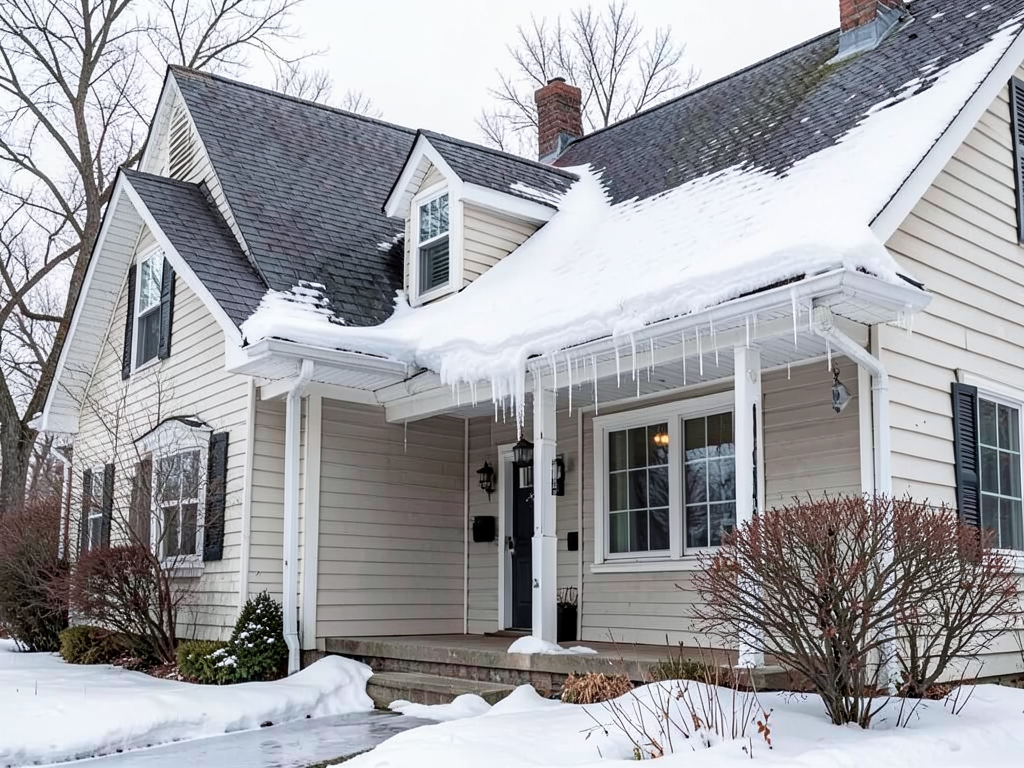
Baltimore sits in a weather corridor that punishes roofs. The city receives 42 inches of rain annually, mostly driven in from the Chesapeake Bay. That moisture creeps under shingles, saturates decking, and turns minor vulnerabilities into structural failures. Winter brings freeze-thaw cycles that crack sealant and lift flashing. Spring storms tear off loose sections. Summer humidity rots wood sheathing from the inside out.

Your property needs a roof built for this environment. New roof installation is not about slapping shingles on plywood. It requires vapor barriers rated for coastal moisture, ice and water shield along eaves and valleys, and deck ventilation that prevents condensation buildup in attic spaces. Baltimore's historic rowhouses add complexity. Shared party walls, tight access, and parapet requirements demand precision during installation.

New construction roofing in Baltimore must meet updated wind load standards and city fire codes. The building department scrutinizes deck attachment, underlayment lapping, and flashing details around chimneys and dormers. Inspectors fail jobs that cut corners. Building a new roof means coordinating material delivery through narrow alleys, staging equipment without damaging adjacent properties, and scheduling inspections within the city's timeframe.

Most roofing failures start during installation. Improper nailing patterns void manufacturer warranties. Inadequate drip edge allows water infiltration. Skipped starter courses let wind peel back shingles. You need roof installation services that follow NRCA standards and understand Baltimore's specific structural challenges. The difference between a 15-year roof and a 30-year roof is how it was built.

Why Baltimore Properties Need Purpose-Built New Roof Construction
How We Execute Structural-Grade Roof Installation in Baltimore

How We Execute Structural-Grade Roof Installation in Baltimore

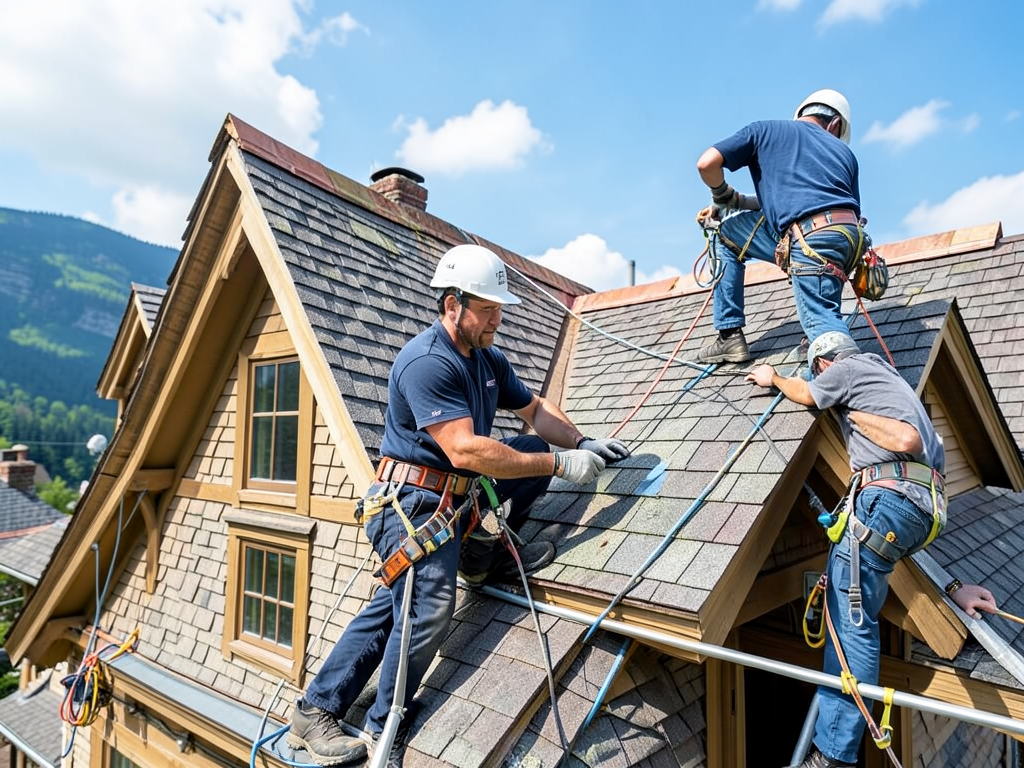
Installing a new roof begins with structural assessment. We inspect existing rafters and joists for water damage, check fascia boards for rot, and verify that roof decking can support new material loads. Baltimore rowhouses often have undersized framing that requires sister joists before new installation. We document everything and present a scope that prevents surprises mid-project.

Deck preparation determines roof lifespan. We replace any OSB or plywood showing delamination, mold, or soft spots. All deck panels get ring-shank nails at six-inch spacing per Baltimore code. We install synthetic underlayment across the entire roof plane because felt paper degrades in humid climates. Ice and water shield covers the bottom three feet of roof slope and wraps all penetrations. This creates a secondary moisture barrier that protects during wind-driven rain events common near the Inner Harbor.

Flashing installation separates amateur work from professional-grade roofing. We use step flashing at wall intersections, counter flashing embedded in mortar joints, and through-wall flashing on chimneys. Valley flashing gets crimped edges and extends 12 inches under shingles on both planes. Pipe boots receive additional sealant beneath the flange. Drip edge runs the full perimeter with overlapping joints and is fastened every eight inches.

Shingle installation follows manufacturer specs exactly. We use the correct nail length for your deck thickness, place four nails per shingle in the adhesive strip zone, and maintain proper exposure. Starter shingles run along eaves and rakes. Ridge cap shingles get individual nailing. We hand-seal all tabs in high-wind zones. The final roof passes city inspection because we build to code, not to shortcuts.

How Your New Roof Build Progresses From Permit to Final Inspection

New Roof Construction in Baltimore – Built to Handle Chesapeake Bay Humidity and Freeze-Thaw Cycles
01

Permit and Structural Evaluation

We pull your building permit through Baltimore City and schedule the preliminary inspection. Our crew evaluates roof framing, identifies any structural deficiencies, and confirms that existing decking meets load requirements. You receive a written scope detailing all tear-off, replacement, and installation work. We order materials based on your roof's exact measurements and pitch.
02

Tear-Off and Deck Prep

The crew strips all existing roofing material down to the deck, exposing problem areas hidden under old shingles. We replace damaged decking, sister weak rafters, and install new drip edge and underlayment. All penetrations get flashed, valleys get lined, and the deck gets prepped for shingle installation. This phase typically takes one to two days depending on property size.
03

Installation and City Inspection

We install shingles using manufacturer-approved methods and request city inspection before completing the final cap. Once the inspector signs off, we finish ridge installation, clean the site, and run a magnetic roller to collect stray nails. You receive inspection documentation, material warranties, and a roof that meets Baltimore's structural standards. The process concludes with a final walkthrough.

Why Baltimore Properties Trust A Plus Roofing for New Construction Projects

We operate in a city where roofing companies disappear after deposit checks clear. Baltimore homeowners have learned to verify credentials before signing contracts. A Plus Roofing Baltimore maintains active permits, carries general liability coverage, and holds workers' compensation insurance for every crew member. We provide documentation upfront because we know you need to protect your investment.

Our crews understand Baltimore's building code. The city requires specific nailing patterns, minimum underlayment standards, and proper flashing around chimneys and party walls. Inspectors reject work that does not meet these standards. We pass inspection on the first submission because our installation methods align with city requirements. That saves you time and eliminates the cost of re-work.

We source materials designed for mid-Atlantic weather. Shingles rated for high wind zones, synthetic underlayment that resists humidity, and corrosion-resistant flashing that survives salt air exposure from the Chesapeake Bay. Many roofers use builder-grade materials to keep bids low. Those roofs fail early. We specify products that extend service life and perform in Baltimore's climate.

Local projects require local knowledge. We navigate narrow Canton alleys, stage equipment on Federal Hill streets with parking restrictions, and coordinate deliveries in Fells Point where truck access is limited. We know which suppliers stock material quickly and which inspectors cover different zones. That operational knowledge eliminates delays and keeps your project on schedule.

You need a roofer who answers the phone after installation. We provide written warranties, respond to callbacks, and maintain relationships with clients beyond project completion. Building trust matters more than building roofs fast.

What Baltimore Property Owners Should Expect During New Roof Installation

Project Timeline and Scheduling

Most residential new roof construction takes three to five days from tear-off to final inspection. We schedule your project based on weather forecasts and material delivery. Rain delays are common in Baltimore, so we tarp exposed decking overnight and monitor conditions daily. Commercial projects take longer depending on square footage and complexity. We provide a detailed timeline during the estimate phase and update you if circumstances change. Permitting through Baltimore City adds one to two weeks before work starts.

Pre-Installation Assessment Process

We inspect your roof from both exterior and attic. The crew checks for rafter sag, measures deck thickness, examines chimney condition, and identifies ventilation deficiencies. You receive a written assessment that explains necessary structural repairs and optional upgrades like additional ventilation or enhanced underlayment. We take photos of problem areas and walk you through findings before providing a final quote. This prevents mid-project surprises and ensures you understand exactly what work gets performed.

Final Roof Quality and Performance

Your completed roof will meet or exceed Baltimore building code. Shingles will sit flat with no lifted edges, flashing will integrate properly with siding and masonry, and valleys will channel water without pooling. The roof will pass city inspection, and you will receive documentation proving compliance. Proper installation means your roof resists wind uplift, sheds water effectively, and ventilates moisture from attic spaces. You get a roof engineered for Baltimore's weather, not a generic installation.

Post-Installation Support and Documentation

We provide manufacturer warranties on materials and workmanship coverage on labor. You receive copies of your building permit, inspection approval, and warranty certificates. We explain maintenance requirements and schedule a six-month follow-up inspection to check sealant and flashing. If issues arise, we respond quickly. Most problems stem from installation errors, which is why we focus on getting it right the first time. You should never chase a roofer for callback service.

Frequently Asked Questions

You Have Questions,
We Have Answers

What is the average cost of a new roof in NC? +

In North Carolina, a new roof typically costs between $5,500 and $12,000 for asphalt shingles on an average home. Metal roofing runs higher, often $10,000 to $18,000. Prices vary based on roof size, pitch, material choice, and whether tear-off is required. Baltimore homeowners face similar cost ranges, though regional labor rates and local building codes can shift pricing slightly. Factors like roof complexity, chimney flashing, and ventilation upgrades also impact total investment. Always get multiple written estimates from licensed contractors who understand mid-Atlantic climate demands like freeze-thaw cycles and summer storm exposure.

What is the newest type of roofing? +

Solar shingles represent the newest roofing technology, integrating photovoltaic cells directly into roof tiles. Tesla and GAF now offer versions that generate electricity while protecting your home. Cool roofing systems with advanced reflective coatings also gain traction, especially in warmer climates. For Baltimore homeowners, synthetic composite shingles offer modern benefits like impact resistance and Class 4 hail ratings without bleeding-edge costs. These materials handle our freeze-thaw cycles better than older options. Traditional asphalt shingles still dominate for cost-effectiveness and proven performance in mid-Atlantic weather patterns. Choose based on your budget and long-term energy goals.

What is the average cost of a full roof replacement? +

Full roof replacement typically costs $8,000 to $16,000 for a standard single-family home with asphalt shingles. This includes tear-off, disposal, new underlayment, shingles, and flashing. Baltimore homes often need additional work due to our weather extremes. Factors affecting your total include roof square footage, pitch steepness, layers to remove, decking repairs, and material grade. Metal roofing runs $12,000 to $25,000 but lasts 50+ years. Slate or tile can exceed $30,000. Get itemized bids that break down materials, labor, disposal, and warranty coverage. Never choose based on price alone.

What is the average cost of a new roof in Virginia? +

In Virginia, new roof costs range from $6,000 to $13,000 for asphalt shingle installations on typical homes. Metal roofing averages $11,000 to $20,000. Northern Virginia prices run slightly higher due to labor costs. Baltimore homeowners see comparable pricing, with regional variations driven by contractor availability and local permit fees. Both areas face similar climate challenges including high humidity, intense summer heat, and winter ice damming. Roof complexity, material selection, and structural repairs drive final costs more than state location. Always verify contractors hold proper Virginia or Maryland licenses and insurance coverage.

Is $30,000 too much for a roof? +

For most residential homes, $30,000 is high unless you have a large footprint, steep pitch, or premium materials like slate, clay tile, or standing seam metal. A 3,000-square-foot home with architectural shingles typically runs $12,000 to $18,000 in Baltimore. However, $30,000 makes sense for complex roofs with multiple valleys, dormers, or extensive decking repairs. Historic Baltimore homes with slate restoration can easily reach this figure. Get three itemized estimates. If one contractor quotes double the others without clear justification for structural work or premium materials, question the breakdown. Price should reflect actual scope.

How much does it cost to build a 2000 sq ft house in NC? +

This question asks about full home construction costs in North Carolina, not roofing specifically. Building a 2,000-square-foot house in NC typically runs $200,000 to $400,000 depending on finishes and location. For Baltimore homeowners focused on roofing, a new roof on a 2,000-square-foot home costs $8,000 to $15,000 for quality asphalt shingles. If you are building new construction in the Baltimore area, budget 3-5% of total home cost for roofing. New construction roofing avoids tear-off expenses but requires proper ventilation design and code-compliant flashing details from the start.

What is the most expensive part of a new roof? +

Labor represents the single most expensive component of roof replacement, typically 40-50% of your total bill. Material costs come second, especially for premium shingles or metal panels. In Baltimore, tear-off and disposal add significant expense due to landfill fees and the physical labor of stripping old layers. Roof decking repairs also spike costs when water damage or rot appears during tear-off. Flashing around chimneys, skylights, and valleys requires skilled installation that drives labor hours. Steep pitch increases both material waste and labor time. Quality underlayment like synthetic felt costs more but protects your investment long-term.

How to tell if a roofer is lying? +

Watch for these red flags. A roofer who skips roof inspection and quotes over the phone likely guesses. Pressure tactics like "today only" discounts signal desperation. Vague contracts without material specs, timeline, or payment schedules hide problems. Ask for proof of Maryland licensing and liability insurance. Check if they pull permits for Baltimore County or City work. A legitimate contractor itemizes costs and explains the scope clearly. Request references from jobs completed in the past year. Storm chasers without local addresses disappear after deposit. Trust contractors who answer technical questions about ventilation, flashing details, and warranty coverage without deflecting.

Does insurance cover roof replacement? +

Insurance typically covers roof replacement if damage results from a covered peril like wind, hail, or fire. Normal wear and aging are excluded. In Baltimore, insurers often deny claims for roofs over 20 years old or require depreciation deductions. Document storm damage immediately with photos. Your policy deductible applies, often $1,000 to $2,500. Some carriers now require roof inspections at policy renewal. If your claim gets denied, hire a public adjuster to review the decision. Always get a contractor inspection separate from the insurance adjuster. Matching shingles on partial repairs can be challenging with discontinued product lines.

Is roof replacement tax deductible? +

For primary residences, roof replacement is not tax deductible as a repair or maintenance expense. However, a new roof adds to your home's cost basis, potentially reducing capital gains tax when you sell. Rental property owners can depreciate roof replacement over 27.5 years or deduct it as a repair if patching only. Home office users may deduct a proportional amount. Energy-efficient upgrades like solar shingles may qualify for federal tax credits. Maryland offers no state-level roof replacement credits. Consult a tax professional for your specific situation. Keep all receipts and contractor invoices for documentation.

How Chesapeake Bay Moisture and Baltimore's Rowhome Architecture Shape New Roof Installation

Baltimore sits 12 miles from the Chesapeake Bay, placing it in a humid coastal zone where moisture levels stay elevated year-round. That constant humidity accelerates wood rot and reduces the effectiveness of organic roofing materials. New roof construction must account for vapor drive, which pushes moisture from warm interior spaces into cooler attic areas. Without proper ventilation and vapor barriers, condensation forms on roof decking and leads to mold growth and structural decay. Historic rowhomes compound the problem with shared party walls and limited ventilation pathways.

Baltimore rowhomes present unique installation challenges. Narrow street access limits equipment options, adjacent properties restrict staging areas, and shared walls require careful flashing details to prevent water intrusion between units. The city's building code mandates specific practices for attached structures, including fire-rated materials and proper parapet flashing. Local expertise matters because inspectors scrutinize these details. A Plus Roofing Baltimore navigates these requirements daily, ensuring your roof installation meets structural standards and passes inspection without delays or costly corrections.
Roofing Services in The Baltimore Area

We are proud to be a locally owned and operated business committed to serving the entire Baltimore community and its surrounding counties. View our office location on the map and see the breadth of our service area. We encourage you to visit our facility or contact us directly to discuss your next roofing project.

Address:
A Plus Roofing Baltimore, 101 N Haven St, Baltimore, MD, 21224

Additional Services We Offer

Our news updates

Latest Articles & News from The Blogs

How New Attic Insulation Can Actually Extend the Life of Your Towson Roof Your Towson roof faces a unique combination…

How New Attic Insulation Can Actually Extend the Life of Your Towson Roof

How New Attic Insulation Can Actually Extend the Life of Your Towson Roof Your Towson roof faces a unique combination…

Why Pressure Washing Your Pikesville Roof Does More Harm Than Good

Why Pressure Washing Your Pikesville Roof Does More Harm Than Good Your Pikesville roof faces unique challenges from Maryland’s humid…

Why Steep Slope Roofs in Mount Airy Require a Different Kind of Specialist

Why Steep Slope Roofs in Mount Airy Require a Different Kind of Specialist Steep slope roofs in Mount Airy present…

Contact Us

Call (443) 455-9099 now to schedule your roof assessment. We provide detailed estimates, pull permits, and complete inspections. Your property deserves a roof engineered for Baltimore weather and built to city code.