menu

EPDM Rubber Roofing in Baltimore | Minimize Downtime with Industrial-Grade Single-Ply Membrane Systems

Baltimore commercial property owners rely on ethylene propylene diene monomer roofing systems engineered to withstand extreme temperature swings, coastal humidity, and decades of exposure without interrupting operations or requiring expensive emergency repairs.

Slider Image 1
Slider Image 2
Slider Image 3
Slider Image 4
Slider Image 5
Slider Image 7
Slider Image 8
Slider Image 9
Slider Image 10
Slider Image 11

Why Baltimore's Coastal Climate Demands Specialized Commercial EPDM Roof Systems

Your commercial building sits less than 40 miles from the Chesapeake Bay. That proximity brings salt-laden air, freeze-thaw cycles averaging 70 per winter, and humidity levels that spike above 85% during summer months. These conditions accelerate roof degradation on conventional built-up systems.

EPDM roofing membrane resists this environmental assault better than any alternative. The synthetic rubber material does not absorb moisture, which prevents the expansion-contraction cycles that crack asphalt-based systems. When temperatures drop below freezing in January, then climb to 90°F by March, your single-ply rubber membrane maintains elasticity without splitting at the seams.

Baltimore's industrial corridors in Curtis Bay and Canton house warehouses, distribution centers, and manufacturing facilities with flat or low-slope roof profiles. These buildings need commercial EPDM roof systems that can handle ponding water without degrading. The ethylene propylene diene monomer compound resists UV radiation damage that causes brittleness in inferior materials.

You face a narrow window for roof replacement between weather systems moving up from the Mid-Atlantic. Your operations cannot afford a three-week shutdown for tear-off and reinstallation. EPDM installation happens faster than modified bitumen or PVC alternatives, with fewer penetrations and simplified flashing details around HVAC units and exhaust vents. This speed translates directly to reduced business interruption and lower labor costs.

The material performs in temperature ranges from -40°F to 300°F, covering every extreme Baltimore weather throws at your property.

Why Baltimore's Coastal Climate Demands Specialized Commercial EPDM Roof Systems
How A Plus Roofing Baltimore Installs Commercial EPDM Systems for Maximum Service Life

How A Plus Roofing Baltimore Installs Commercial EPDM Systems for Maximum Service Life

We do not use generic installation methods. Every commercial EPDM roof system we install follows a diagnostic approach based on your building's specific structural load capacity, drainage patterns, and operational requirements.

Our process starts with core samples if your building was constructed before 1995. We need to know what lies beneath any existing membrane before we spec the new system. Many older Baltimore commercial buildings have coal tar pitch or asbestos-containing materials that require specialized removal protocols. We coordinate with environmental remediation specialists when necessary, ensuring compliance with Maryland Department of the Environment regulations.

The substrate determines membrane attachment method. Fully adhered systems use bonding adhesive across 100% of the roof deck, creating a monolithic barrier that resists wind uplift up to 200 mph. Mechanically attached systems use plate-and-fastener assemblies spaced according to building height and exposure category from the Baltimore City Building Code. Ballasted systems use river rock or pavers, but only when structural load calculations confirm adequate support.

We use 45-mil or 60-mil EPDM thickness based on roof traffic patterns and mechanical equipment placement. Thicker membranes resist puncture damage from maintenance foot traffic and falling debris. All seams receive pressure-rolled splice plates with 6-inch overlap, not the 3-inch minimum that causes premature failure.

Flashing details make or break EPDM performance. We install prefabricated inside and outside corner flashings, not field-cut pieces that create weak points. Pipe boots receive stainless steel clamp rings, not adhesive-only attachments. Every penetration gets a termination bar mechanically fastened to the substrate, then sealed with elastomeric caulk rated for 25-year exposure.

This level of detail extends your roof's functional life to 30 years or more.

Your Commercial EPDM Installation Timeline

EPDM Rubber Roofing in Baltimore | Minimize Downtime with Industrial-Grade Single-Ply Membrane Systems
01

Structural Assessment and Planning

We conduct a thorough roof deck inspection using infrared thermography to identify moisture-saturated insulation that compromises structural integrity. Our engineers calculate dead load and live load tolerances, then design the membrane assembly with appropriate insulation R-value to meet Maryland energy code requirements. You receive a detailed project schedule that accounts for your operational constraints, including restricted access hours and areas requiring continuous climate control.
02

Membrane Installation and Integration

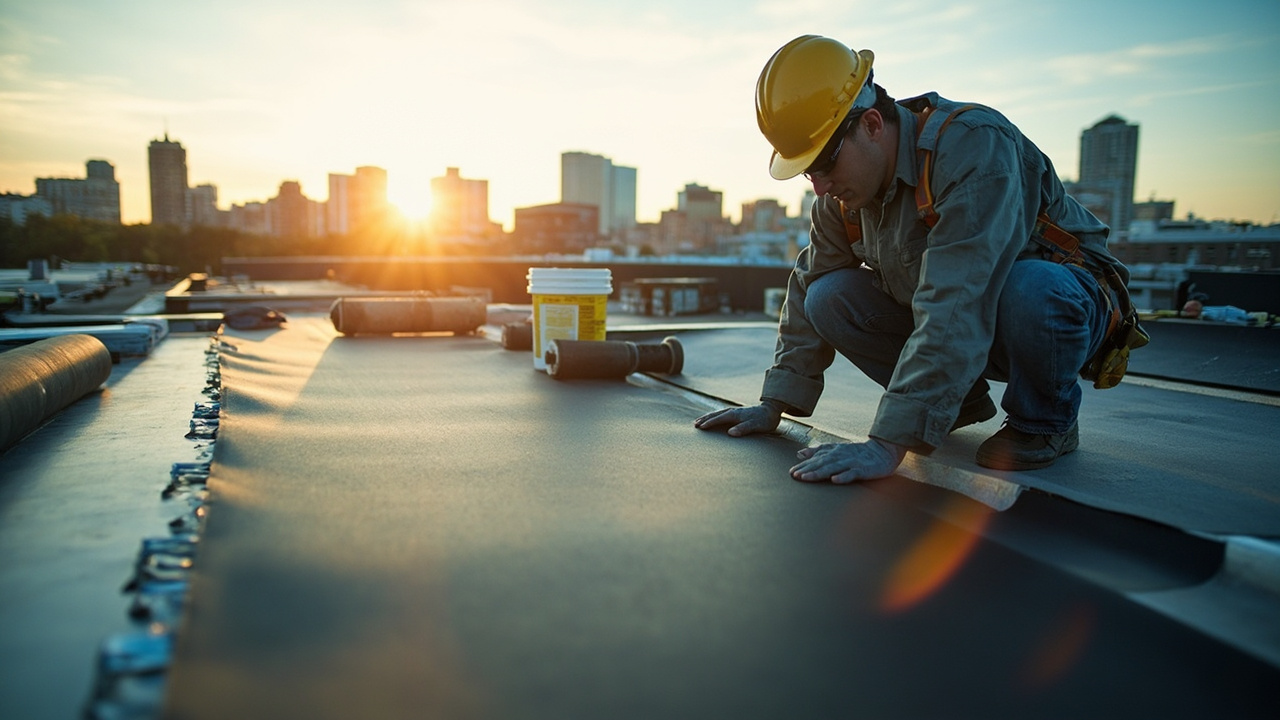
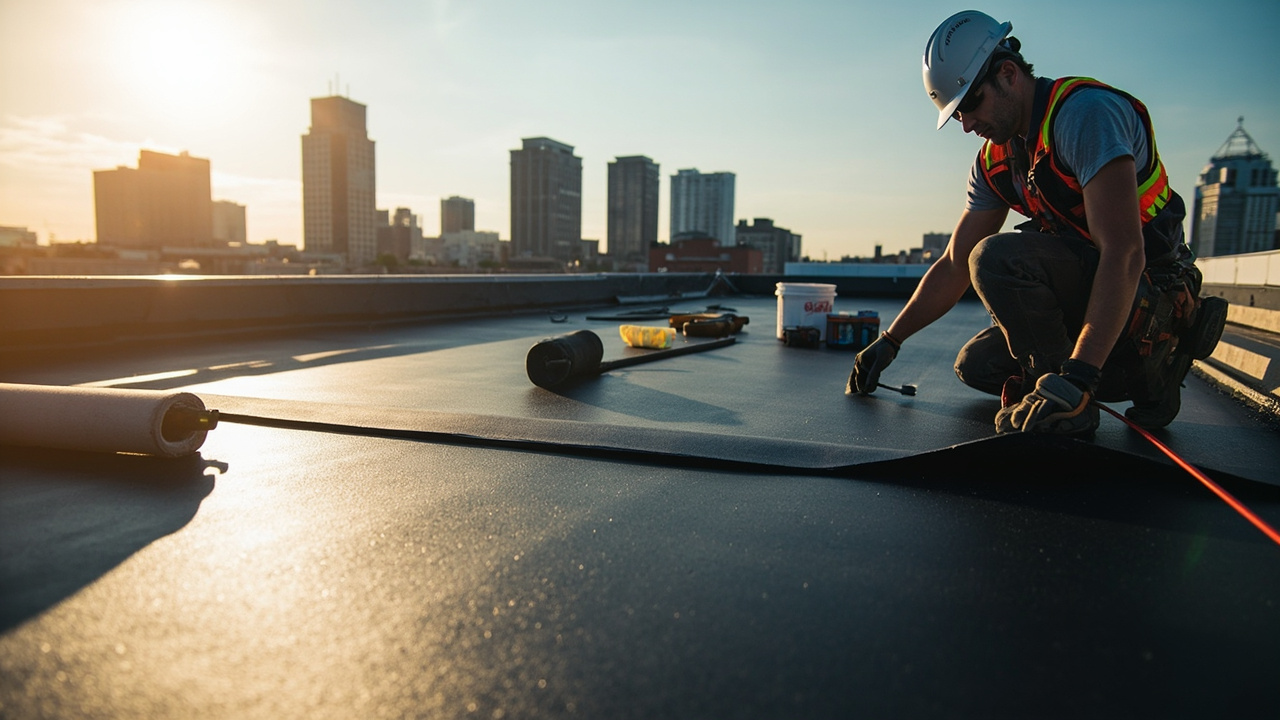
Our crews section the roof into manageable zones to maintain building weatherproofing throughout installation. We remove only what we can waterproof within each work shift. The EPDM membrane receives mechanical fastening or full adhesion based on your building's wind exposure rating. All factory-fabricated accessories get installed according to manufacturer specifications, ensuring warranty validity. We integrate the new membrane with existing wall flashings, expansion joints, and parapet caps without creating thermal bridges.
03

Quality Verification and Documentation

Every seam undergoes probe testing to verify complete adhesion without voids or fish-mouths. We conduct a flood test on all drains and scuppers, confirming positive drainage without ponding water deeper than one inch. You receive as-built drawings showing all membrane penetrations, expansion joint locations, and fastener patterns. These documents prove essential for future roof maintenance and satisfy insurance underwriter requirements for commercial property coverage.

Why Baltimore Commercial Property Owners Choose Local EPDM Expertise

A Plus Roofing Baltimore understands the specific challenges facing commercial properties in Canton, Fells Point, and the Port Covington development corridor. We have installed synthetic rubber roofing systems on distribution centers, cold storage facilities, and multi-tenant office buildings throughout the greater Baltimore metro.

Our familiarity with Baltimore City code enforcement procedures means your project moves through permitting without delays. We maintain relationships with building inspectors who recognize our work quality, which expedites final approval and certificate of occupancy issuance. Many out-of-state contractors underestimate the documentation requirements for commercial roof replacement in historic districts or near the Inner Harbor development zones.

We stock EPDM materials locally, which eliminates the supply chain delays that plague national roofing chains. When a weather window opens between storm systems, we can mobilize within 48 hours rather than waiting two weeks for material shipments. This responsiveness matters when your current roof shows signs of imminent failure and you need immediate protection.

Our crew leaders have installed commercial EPDM roof systems through every season Baltimore offers. They know how morning dew affects adhesive bond strength in April. They understand how afternoon thunderstorms develop rapidly off the Chesapeake Bay during August. This experience prevents costly mistakes like applying membrane during unsuitable temperature or humidity conditions.

We also navigate the unique structural considerations of Baltimore's older commercial building stock. Many properties in Hampden and Woodberry were built as textile mills with timber roof decks and minimal slope. These structures require specialized fastening techniques and enhanced drainage design that generic contractors miss. Our engineering approach accounts for load-bearing wall locations, unreinforced masonry parapets, and existing roof penetrations that cannot be relocated.

You need a contractor who speaks the same language as your property insurer and understands commercial lease requirements for roof warranties.

What Your Commercial EPDM Project Includes

Project Duration and Phasing

Most commercial EPDM installations take two to four weeks depending on building size and complexity. We phase the work to maintain building operations, completing sections sequentially so your business never loses weather protection. Our project manager coordinates daily with your facilities team to address access restrictions, delivery schedules, and areas requiring special protection. We adjust crew size and work hours to meet your occupancy requirements, including weekend or overnight installation when necessary. You receive updated progress reports every 48 hours with photographic documentation of completed work.

Initial Roof Assessment Protocol

Our technical evaluation includes destructive core samples to examine all roof layers down to the structural deck. We use electronic impedance scanning to create moisture maps showing wet insulation areas that require replacement. The structural engineer's report documents load capacity for new membrane assembly weight, including ballast or additional insulation layers. You receive a detailed specification document outlining membrane thickness, attachment method, insulation type and R-value, flashing details, and projected service life. This specification becomes part of your building documentation for insurance purposes and future maintenance planning.

Completed System Performance

Your new single-ply rubber membrane provides a watertight barrier that resists ponding water, thermal cycling, and chemical exposure from rooftop HVAC condensate. The system meets or exceeds FM Global wind uplift ratings for your building height and exposure category. All penetrations receive proper flashing and termination, eliminating the common failure points around pipes, vents, and equipment supports. The completed installation includes updated roof access safety equipment and clearly marked maintenance pathways to prevent accidental membrane damage during routine HVAC servicing. Your building achieves improved energy efficiency through upgraded insulation and reflective membrane coating options.

Post-Installation Support and Maintenance

We provide a comprehensive maintenance manual detailing proper roof care procedures specific to your EPDM system. Our annual inspection service identifies minor issues before they become expensive problems, including loose flashing, clogged drains, or membrane punctures from foot traffic. We maintain detailed service records that satisfy insurance underwriter requirements and preserve manufacturer warranty validity. Emergency leak response operates 24/7 because we understand that commercial building water intrusion threatens inventory, equipment, and business continuity. Our maintenance contracts include priority scheduling and discounted rates on repairs, helping you budget predictable roof care costs over the system's 30-year service life.

Frequently Asked Questions

You Have Questions,
We Have Answers

What is EPDM rubber roofing? +

EPDM rubber roofing is a synthetic rubber membrane made from ethylene propylene diene monomer. This single-ply material is rolled out across flat or low-slope commercial roofs and secured with adhesives, mechanical fasteners, or ballast. EPDM is black, highly flexible, and resists UV degradation. It handles Baltimore's freeze-thaw cycles without cracking and withstands high humidity. The material typically comes in large sheets, reducing seams and potential leak points. Commercial property owners choose EPDM for its durability, cost efficiency, and ability to maintain watertight integrity across warehouses, retail buildings, and industrial facilities throughout the Baltimore metro area.

What are common problems with EPDM roofs? +

Common EPDM problems include seam failures, punctures, and shrinkage. Seams can separate over time if adhesive degrades or installation was flawed. Sharp objects, foot traffic, and HVAC equipment cause punctures and tears. EPDM can shrink slightly with age, pulling away from flashing and creating gaps. Ponding water accelerates membrane deterioration, especially on improperly drained flat roofs. Baltimore's temperature swings stress the material at edges and penetrations. Poor flashing around roof-mounted units leads to water infiltration. Regular inspections catch these issues before they compromise your building envelope. Address failures quickly to prevent interior damage and maintain business operations.

Does EPDM have to be glued down? +

EPDM does not always require full adhesive bonding. You have three attachment methods: fully adhered, mechanically attached, or ballasted. Fully adhered systems use bonding adhesive across the entire membrane, creating maximum wind uplift resistance. Mechanically attached systems use plates and fasteners at seams and perimeters. Ballasted systems rely on river rock or pavers to hold the membrane in place. Baltimore's wind exposure and building height dictate which method meets code requirements. Commercial buildings in exposed locations need stronger attachment. Your structural load capacity also determines if ballast weight is feasible. The attachment method affects installation cost and long-term performance.

Is EPDM rubber roofing any good? +

EPDM rubber roofing delivers excellent performance for commercial flat roof applications. The material resists UV radiation, ozone, and thermal cycling without degrading. EPDM maintains flexibility in cold weather, preventing cracks during Baltimore winters. It offers a service life of 20 to 30 years with proper maintenance. The black surface absorbs heat, which can increase cooling costs but aids snow melt. EPDM costs less than TPO or PVC while providing reliable waterproofing. It handles ponding water better than modified bitumen. For warehouse, retail, and industrial facilities across Baltimore, EPDM provides dependable protection at a competitive price point with minimal maintenance requirements.

How Baltimore's Freeze-Thaw Cycles Impact Commercial Roof Performance

Baltimore averages 70 freeze-thaw cycles each winter, creating stress on commercial roofing materials that exceeds national averages. When temperatures oscillate across the 32°F threshold, trapped moisture expands by 9% during freezing, then contracts during thawing. This cyclical movement fractures conventional roofing materials at seams and penetrations. EPDM roofing membrane remains elastic across this temperature range, flexing without cracking. The synthetic rubber compound does not absorb water, which eliminates the expansion-contraction mechanism that destroys built-up roofing systems. Properties near the Inner Harbor face additional challenges from salt spray carried inland during winter nor'easters, accelerating corrosion on metal flashings and fasteners. Our installations use stainless steel components that resist this corrosive environment.

Commercial property owners throughout Baltimore County, Anne Arundel County, and Baltimore City trust A Plus Roofing Baltimore because we understand local building department expectations. Our permit applications include structural engineer stamps when required by code, eliminating the back-and-forth that delays projects. We maintain relationships with local building inspectors who recognize our commitment to proper installation techniques and thorough documentation. This local expertise matters when your project timeline depends on smooth inspection approval. National roofing contractors often struggle with Maryland-specific requirements for historic district projects or properties within designated floodplains. Our team navigates these regulatory challenges efficiently, keeping your project on schedule and your operations running without extended interruption.
Roofing Services in The Baltimore Area

We are proud to be a locally owned and operated business committed to serving the entire Baltimore community and its surrounding counties. View our office location on the map and see the breadth of our service area. We encourage you to visit our facility or contact us directly to discuss your next roofing project.

Address:
A Plus Roofing Baltimore, 101 N Haven St, Baltimore, MD, 21224

Additional Services We Offer

Our news updates

Latest Articles & News from The Blogs

Upgrading Your Builder-Grade Roof in Severn Before It Starts Leaking Your Severn home's builder-grade roof has a ticking clock. Maryland's…

Upgrading Your Builder-Grade Roof in Severn Before It Starts Leaking

Upgrading Your Builder-Grade Roof in Severn Before It Starts Leaking Your Severn home's builder-grade roof has a ticking clock. Maryland's…

Restoring the Ornamental Roof Details on Victorian Homes in Abell and Waverly

Restoring the Ornamental Roof Details on Victorian Homes in Abell and Waverly Victorian homes in Baltimore's Abell and Waverly neighborhoods…

Replacing a Detached Garage Roof in Glen Burnie — Costs and Best Materials

Replacing a Detached Garage Roof in Glen Burnie — Costs and Best Materials Replacing a detached garage roof in Glen…

Contact Us

Your Baltimore commercial property needs a roof system that protects your operations for decades. Call A Plus Roofing Baltimore at (443) 455-9099 to schedule a comprehensive roof assessment. We provide detailed proposals with transparent pricing and realistic timelines that respect your business requirements.