menu

Built-Up Roofing in Baltimore – Industrial-Grade Protection That Minimizes Downtime

Commercial built-up roofs engineered for Baltimore's industrial corridors deliver unmatched durability and weather resistance, keeping your facility operational through freeze-thaw cycles, coastal humidity, and the demanding conditions of the Mid-Atlantic.

Slider Image 1
Slider Image 2
Slider Image 3
Slider Image 4
Slider Image 5
Slider Image 7
Slider Image 8
Slider Image 9
Slider Image 10
Slider Image 11

Why Baltimore's Commercial Buildings Need BUR Roofing Systems

Baltimore's commercial and industrial buildings face unique roofing challenges that directly impact your bottom line. The Chesapeake Bay's proximity creates constant moisture exposure, while the city's freeze-thaw cycles between November and March cause thermal shock that degrades inferior roofing materials. Add in the thermal expansion from summer heat reaching 95 degrees, and you have a recipe for membrane failure on single-ply systems.

Built-up roofing systems solve this problem through redundancy. Multi-ply roofing systems use alternating layers of bitumen and reinforcing felt, creating a waterproof barrier that can flex with temperature changes without cracking. This matters in Baltimore's Canton and Highlandtown industrial zones, where flat-roofed warehouses and distribution centers cannot afford production shutdowns for emergency roof repairs.

Tar and gravel roofing, a traditional BUR system, adds a protective ballast layer that shields the waterproofing membrane from UV degradation and physical damage. Baltimore's port operations and manufacturing facilities benefit from this added protection against mechanical impacts from HVAC equipment, foot traffic, and wind-blown debris from the Inner Harbor.

Asphalt built-up roofing systems offer superior resistance to ponding water, a common issue on Baltimore's older commercial buildings with minimal roof slope. The multiple waterproofing layers create redundancy that single-ply membranes cannot match. When one layer fails, three more layers continue protecting your building envelope and preventing costly interior damage to inventory, equipment, and operations.

Why Baltimore's Commercial Buildings Need BUR Roofing Systems
The A Plus Roofing Baltimore Approach to Commercial Built-Up Roofs

The A Plus Roofing Baltimore Approach to Commercial Built-Up Roofs

We do not install cookie-cutter BUR systems. Every built-up roofing installation begins with substrate analysis. Baltimore's commercial buildings range from 1950s masonry structures to modern pre-engineered metal buildings, and each requires different attachment methods and vapor barrier configurations.

Our team evaluates existing deck conditions, insulation R-values required by Maryland's commercial energy code, and structural loading capacity before specifying the number of plies. A typical commercial built-up roof in Baltimore requires four plies of fiberglass-reinforced felt alternated with hot-mopped asphalt. We adjust this specification based on your building's exposure, slope, and roof traffic requirements.

The base sheet installation is critical. We mechanically fasten the base ply to the deck using corrosion-resistant fasteners rated for Baltimore's coastal environment. This prevents the entire roof assembly from delaminating during high winds, a failure mode common with poorly installed BUR systems. The subsequent interply mopping uses Type IV asphalt, which remains flexible at low temperatures and resists flow at high temperatures.

Flashing details determine BUR system longevity. We build custom sheet metal flashings for parapet walls, equipment curbs, and penetrations using 24-gauge galvanized steel with factory-applied Kynar coatings. These flashings integrate with the built-up roofing layers through proper lapping sequences and flood coating with hot asphalt.

The final flood coat and gravel surfacing protects the waterproofing membrane from Baltimore's intense summer UV exposure. We apply 400 pounds of gravel per square, embedded in a flood coat of asphalt, creating a Class A fire-rated assembly that meets Baltimore City's commercial building requirements.

How Commercial BUR Installation Protects Your Baltimore Facility

Built-Up Roofing in Baltimore – Industrial-Grade Protection That Minimizes Downtime
01

Structural Assessment and Planning

We start by evaluating your existing roof deck, insulation layers, and structural capacity to support a built-up roofing system. This includes core sampling to identify hidden moisture in the existing assembly and thermal imaging to map wet insulation areas. We coordinate with your facility manager to schedule installation phases that minimize disruption to your operations, identifying critical production areas that require extended work-hour accommodations.
02

Systematic Layer Installation

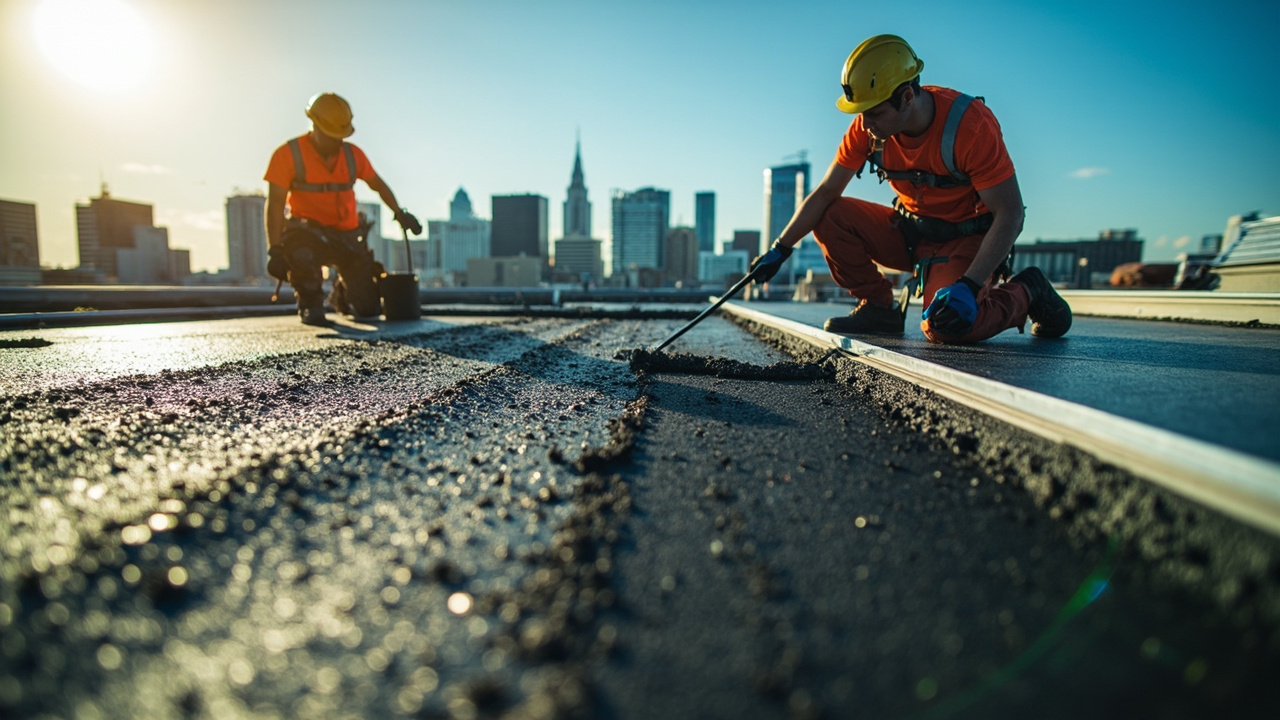
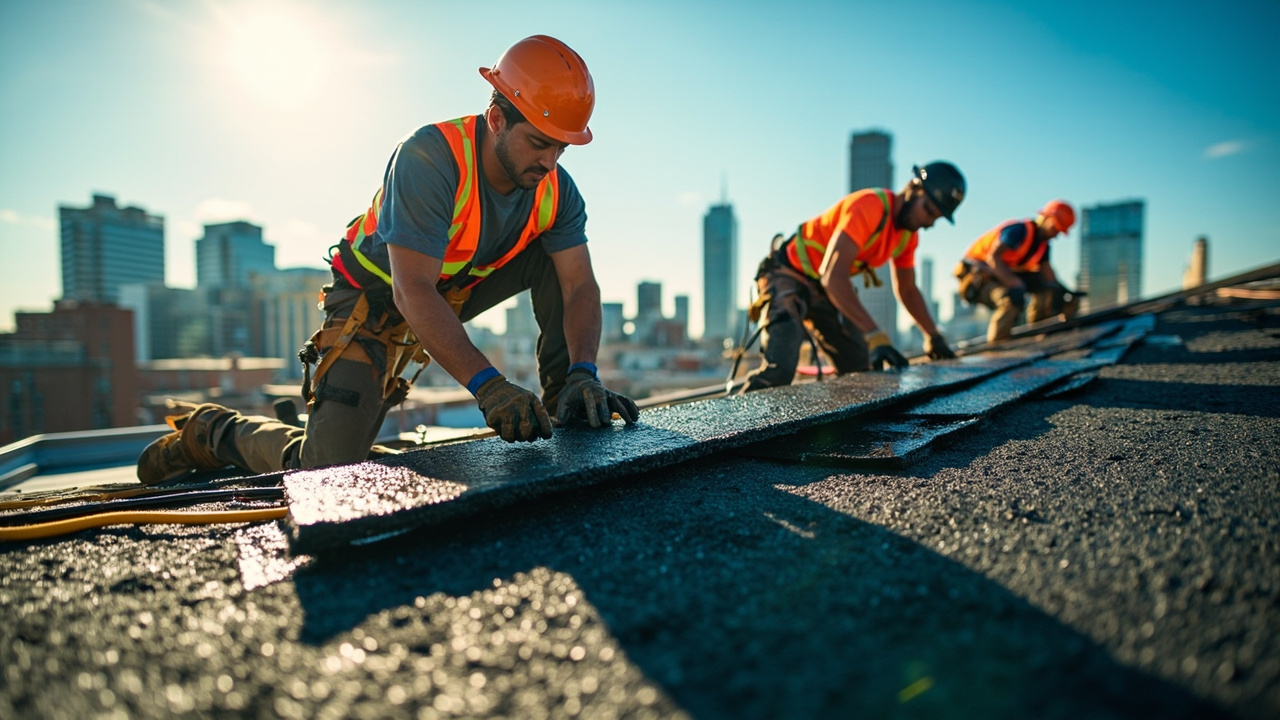
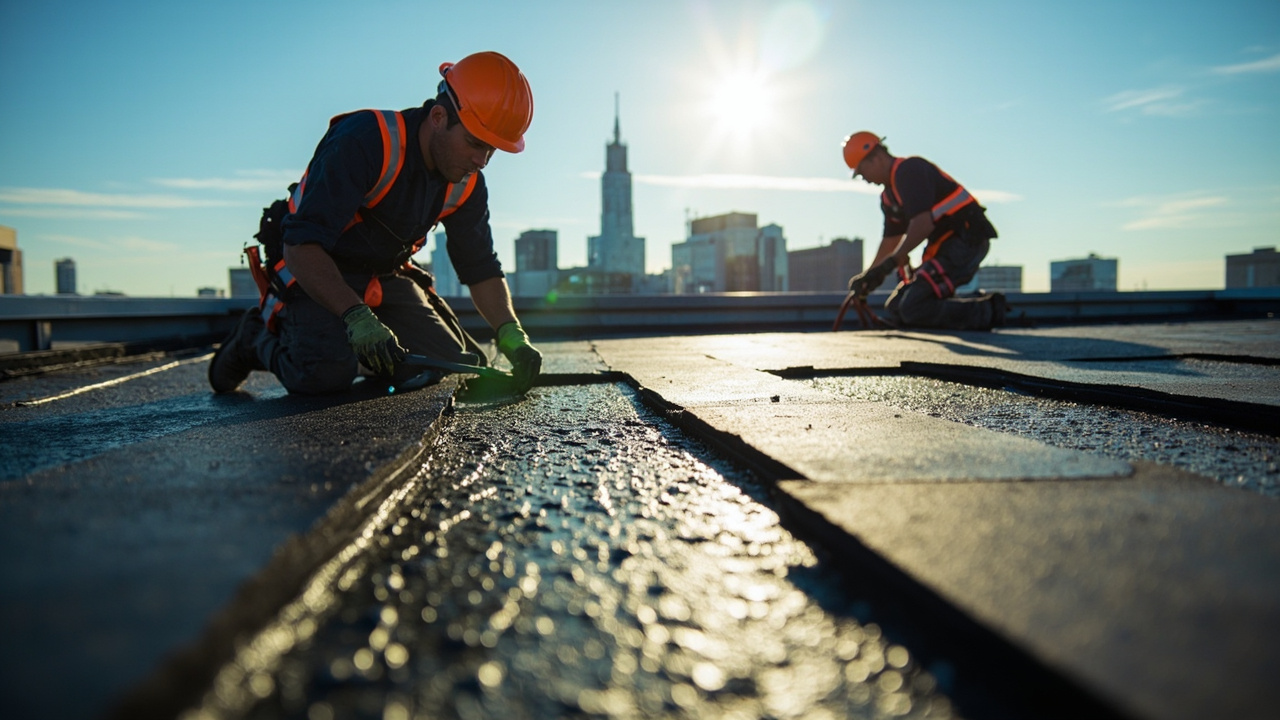
Our certified crews install each ply in sequence, using hot-mopped asphalt to create full adhesion between layers. We maintain strict temperature controls on asphalt kettles, keeping bitumen within the 400-475 degree application range required for proper bonding. Each ply receives inspection before the next layer goes down, ensuring no voids or fishmouths compromise the waterproof barrier. We stage material deliveries to avoid overloading your roof structure and coordinate crane lifts around your business hours.
03

Final Surfacing and Handoff

The final flood coat and gravel application complete your commercial built-up roof, followed by comprehensive flashing inspections at all penetrations and terminations. We provide detailed roof drawings showing drain locations, insulation zones, and maintenance access points. Your facility receives a maintenance protocol specific to BUR systems, including semiannual inspection checklists and recommended service intervals. We conduct a final walkthrough with your maintenance staff, explaining proper roof access procedures and identifying areas requiring periodic attention.

Why Baltimore Commercial Property Managers Choose A Plus Roofing Baltimore

Commercial roofing failures cost more than repair bills. Production shutdowns, equipment damage, and inventory losses can exceed six figures when your roof fails during Baltimore's winter storms or summer downpours. A Plus Roofing Baltimore understands this operational reality because we work exclusively in Baltimore's commercial and industrial sectors.

We know Baltimore City's commercial building code requirements for roof assemblies, including the fire rating requirements for buildings within 1,000 feet of other structures. Our installations meet the International Building Code standards enforced by Baltimore's Department of Housing and Community Development, ensuring you pass inspections without delays or costly rework.

Our experience with Baltimore's older commercial building stock matters. Many warehouses and manufacturing facilities in South Baltimore and Brooklyn have roof decks that require specialized attachment methods. We have installed BUR systems over wood plank decks, corrugated metal decks, and concrete decks, adapting our techniques to each substrate's unique challenges.

Baltimore's maritime climate demands specific material choices. We specify ASTM D312 Type IV asphalt for all built-up roofing projects because it resists the thermal cycling common in Mid-Atlantic climates. Inferior asphalts become brittle in winter, cracking when temperatures drop below 20 degrees, or flow excessively in summer, allowing gravel to sink and expose the felt layers to UV damage.

Timing matters for commercial projects. We schedule installations around your business cycle, working extended hours or weekends to avoid disrupting operations. Our crews understand that manufacturing facilities cannot shut down production lines for roofing work, so we phase installations to maintain building integrity while allowing your business to continue operating.

What Your Commercial BUR Installation Includes

Project Timeline and Coordination

Most commercial built-up roofing installations require two to four weeks, depending on building size and complexity. We provide detailed project schedules showing daily work areas, material delivery times, and completion milestones. You receive weekly progress updates and advance notice of any activities that might affect your operations, such as crane lifts or hot work near ventilation intakes. We coordinate with your facility management team to schedule noisy activities during low-impact hours and maintain safe access routes for your employees throughout the installation.

Comprehensive Roof Evaluation

Our initial assessment includes infrared thermography to identify wet insulation, core sampling to evaluate existing assembly composition, and structural load calculations to verify your deck can support the new BUR system. We test for asbestos in existing roofing materials on pre-1980 buildings and develop abatement procedures if required. You receive a detailed report showing existing conditions, recommended repairs to deck or structural elements, and a specification sheet outlining the proposed built-up roofing assembly. This evaluation typically takes three to five business days and includes photo documentation of all observed deficiencies.

Finished Roof Performance

Your completed commercial built-up roof delivers immediate waterproofing protection and long-term durability. The multi-ply system creates redundancy that protects your facility even if the top layer sustains damage from maintenance traffic or equipment impacts. The gravel surfacing reflects solar heat, reducing cooling loads and extending membrane life. You receive a Class A fire-rated assembly that meets insurance requirements for commercial properties. The finished roof supports safe foot traffic for HVAC maintenance and allows future equipment installations without compromising the waterproof barrier. Properly maintained BUR systems routinely exceed 25-year service lives in Baltimore's climate.

Maintenance and Service Programs

Built-up roofing systems require periodic maintenance to achieve maximum service life. We offer scheduled inspection programs that identify minor issues before they become major failures. These inspections include drain cleaning, flashing examination, and documentation of roof conditions for your facility records. We provide emergency repair services for mechanical damage or storm-related issues, responding within four hours to prevent water intrusion into your building. Our maintenance contracts include detailed reporting that helps you budget for future roofing needs and satisfy insurance requirements for commercial property coverage.

Frequently Asked Questions

You Have Questions,
We Have Answers

What does built-up roofing mean? +

Built-up roofing is a multi-layer flat roofing system designed for commercial and industrial buildings. It consists of alternating layers of bitumen (asphalt or coal tar) and reinforcing fabrics, creating a thick, durable membrane. The system is built on-site, layer by layer, and topped with gravel or a reflective coating. In Baltimore, this roofing method handles freeze-thaw cycles effectively and withstands heavy snow loads common to the region. Built-up roofing provides excellent waterproofing and redundancy. If one layer fails, other layers maintain protection, reducing business downtime and liability concerns for commercial property owners.

What is another name for built up roofing? +

Built-up roofing is commonly called BUR. You may also hear it referred to as tar and gravel roofing, reflecting the traditional installation method using coal tar pitch topped with gravel aggregate. Some contractors call it a hot mop roof because the bitumen is heated and mopped onto the roof deck during installation. Another term is membrane roofing, though this is less specific. In Baltimore's commercial roofing market, BUR remains the standard terminology among contractors and building engineers. The interchangeable names all describe the same multi-ply system that has protected commercial buildings for over a century.

How long does built-up roofing last? +

Built-up roofing typically lasts 20 to 30 years on commercial buildings when properly installed and maintained. In Baltimore, lifespan depends on several factors including roof slope, drainage efficiency, and exposure to harsh winter conditions. Regular inspections and prompt repairs extend service life significantly. Ponding water from Baltimore's heavy rainfall accelerates deterioration, so proper drainage is critical. The gravel surfacing protects the membrane from UV damage and thermal cycling, which helps maximize longevity. For commercial property managers, budgeting for systematic maintenance every three to five years preserves your investment and delays costly replacement, protecting your bottom line.

How is a built-up roof installed? +

Built-up roof installation begins with preparing the roof deck and applying a base sheet mechanically fastened or adhered to the substrate. Contractors then heat bitumen in a kettle and mop it onto the base sheet. Reinforcing plies of fiberglass or organic felt are embedded into the hot bitumen, alternating layers until the specified number of plies is achieved. A flood coat of bitumen is applied, then gravel aggregate is spread to protect the membrane. In Baltimore, installers must account for temperature fluctuations during application. The process requires skilled labor and creates strong odors, so scheduling around business operations minimizes disruption to your commercial tenants.

How Baltimore's Port Climate Affects Commercial Built-Up Roofs

Baltimore's location at the mouth of the Patapsco River creates constant moisture exposure that accelerates roofing system degradation. Commercial buildings within three miles of the Inner Harbor face salt-laden air that corrodes metal flashings and penetrates poor-quality waterproofing membranes. Multi-ply roofing systems combat this challenge through redundancy, with each felt layer acting as a backup waterproof barrier. The city's industrial zones in Curtis Bay and Fairfield require roof assemblies that can withstand chemical exposure from manufacturing processes, making BUR systems with protective gravel surfacing the logical choice for long-term protection.

A Plus Roofing Baltimore maintains relationships with local building inspectors and understands the specific requirements for commercial roofing projects in Baltimore City and surrounding counties. We navigate the permitting process efficiently, preventing project delays that cost you money. Our crews understand Baltimore's commercial building stock, from the historic warehouse districts of Remington to the modern distribution centers along I-95. This local knowledge means we anticipate site-specific challenges and arrive prepared with the right materials and equipment, keeping your project on schedule and your business operational.
Roofing Services in The Baltimore Area

We are proud to be a locally owned and operated business committed to serving the entire Baltimore community and its surrounding counties. View our office location on the map and see the breadth of our service area. We encourage you to visit our facility or contact us directly to discuss your next roofing project.

Address:
A Plus Roofing Baltimore, 101 N Haven St, Baltimore, MD, 21224

Additional Services We Offer

Our news updates

Latest Articles & News from The Blogs

How New Attic Insulation Can Actually Extend the Life of Your Towson Roof Your Towson roof faces a unique combination…

How New Attic Insulation Can Actually Extend the Life of Your Towson Roof

How New Attic Insulation Can Actually Extend the Life of Your Towson Roof Your Towson roof faces a unique combination…

Why Pressure Washing Your Pikesville Roof Does More Harm Than Good

Why Pressure Washing Your Pikesville Roof Does More Harm Than Good Your Pikesville roof faces unique challenges from Maryland’s humid…

Why Steep Slope Roofs in Mount Airy Require a Different Kind of Specialist

Why Steep Slope Roofs in Mount Airy Require a Different Kind of Specialist Steep slope roofs in Mount Airy present…

Contact Us

Your commercial building deserves a roofing system engineered for Baltimore's demanding climate. Call A Plus Roofing Baltimore at (443) 455-9099 for a comprehensive roof evaluation and project proposal. We respond to commercial inquiries within 24 hours and provide detailed specifications for your review.