menu

Blistering Shingles in Baltimore – Expert Diagnosis and Permanent Repair for Roof Bubbles

A Plus Roofing Baltimore identifies the root cause of asphalt shingle blisters and stops moisture intrusion before minor bubbling becomes a full roof replacement.

Slider Image 1
Slider Image 2
Slider Image 3
Slider Image 4
Slider Image 5
Slider Image 7
Slider Image 8
Slider Image 9
Slider Image 10
Slider Image 11

Why Baltimore Roofs Develop Shingle Blisters Faster Than You Think

You walk outside and notice small bubbles on your roof. They look harmless, but those blisters signal trapped moisture working its way through your shingles. In Baltimore, the combination of humid summer heat and frequent freeze-thaw cycles creates the perfect environment for asphalt shingle blisters to form and expand.

When moisture gets trapped between shingle layers during installation or seeps in through poor ventilation, Baltimore's intense summer sun heats that moisture. The result is bubbling roof shingles that weaken the protective granule layer and expose the asphalt mat underneath. Once that happens, UV rays and rain accelerate deterioration. What starts as a few heat blisters on shingles quickly spreads across entire roof sections.

Baltimore's older neighborhoods, from Hampden to Canton, feature homes with aging ventilation systems that trap attic heat. That heat pushes moisture upward into the roof deck and shingle underlayment. Without proper air circulation, the trapped moisture has nowhere to go except into the shingle layers themselves. The bubbles you see are the first visible warning that your roof system is failing from the inside out.

Roof blisters do not heal themselves. Each rain event drives more water into the compromised shingle structure. Each freeze cycle expands the trapped moisture and tears the asphalt mat further. By the time most homeowners notice the problem, the underlying decking has already suffered water damage. The longer you wait, the more expensive the fix becomes. Addressing shingle bubbles early prevents catastrophic leaks and structural damage.

Why Baltimore Roofs Develop Shingle Blisters Faster Than You Think
How We Diagnose and Fix Blistering Shingles the Right Way

How We Diagnose and Fix Blistering Shingles the Right Way

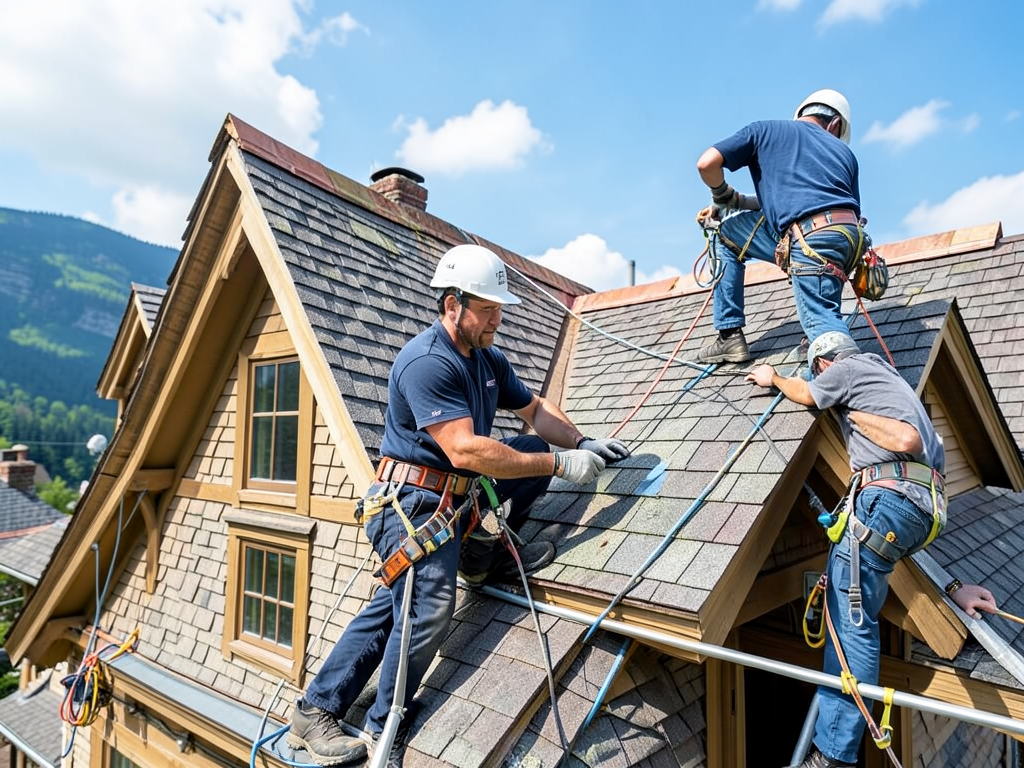
Most roofers see blisters and immediately push for full replacement. We take a different approach. Our team starts with a thermal imaging scan of your roof deck to map moisture intrusion patterns. This technology shows us exactly where water is hiding beneath the surface and whether the decking has sustained structural damage. We do not guess. We measure.

Once we map the moisture, we inspect your attic ventilation system. Poor ridge vent installation, blocked soffit vents, or inadequate exhaust capacity cause the majority of blister problems in Baltimore. We calculate your attic's ventilation ratio and compare it against IRC code requirements. If your attic is not moving enough air, we design a ventilation upgrade that balances intake and exhaust. Fixing blisters without fixing airflow guarantees the problem returns within two years.

For localized blistering, we remove affected shingles and inspect the underlayment and decking. If the wood shows moisture staining but remains structurally sound, we replace the compromised underlayment with synthetic material that resists future moisture penetration. If the decking has delaminated or shows soft spots, we cut out the damaged section and sister in new plywood that matches the existing deck thickness.

We do not patch over problems. Every replacement shingle gets hand-sealed with roofing cement at the edges to prevent wind-driven rain from entering. We install new flashing around any penetrations near the repair zone and verify the seal with water testing before we leave. Our repairs integrate seamlessly with your existing roof because we match shingle lots and use the same nail pattern as the original installation. You will not see a visible patch job.

What Happens During Your Blister Repair

Blistering Shingles in Baltimore – Expert Diagnosis and Permanent Repair for Roof Bubbles
01

Thermal Moisture Mapping

We use infrared scanning to detect hidden moisture beneath your shingles and inside the roof deck. This technology reveals the full extent of water damage without tearing off your entire roof. You get a visual map showing exactly which sections need attention and which areas remain sound. This diagnostic step saves you thousands by targeting repairs precisely where they matter.
02

Ventilation Assessment and Correction

Our team measures your attic's air circulation capacity and compares it to the square footage requirements in local building codes. We identify blocked soffit vents, insufficient ridge venting, or imbalanced airflow that traps heat and moisture. If your system falls short, we install additional exhaust vents or upgrade your ridge vent to a high-flow baffle design. Proper ventilation stops future blistering before it starts.
03

Targeted Shingle Replacement

We remove blistered shingles, replace any damaged underlayment or decking, and install new shingles that match your existing roof. Each replacement shingle gets sealed at the edges and integrated into the surrounding nail pattern. We test the repair zone with water to confirm a watertight seal, then inspect your attic again after the next heavy rain to verify the moisture intrusion has stopped completely.

Why Baltimore Homeowners Choose A Plus Roofing Baltimore for Blister Repairs

Baltimore roofs face unique challenges. The Chesapeake Bay's humidity combines with urban heat island effects to create extreme temperature swings. Your roof expands and contracts more than roofs in drier climates, which accelerates shingle aging and blister formation. We have spent years studying how local weather patterns affect different shingle types and roof orientations across Baltimore neighborhoods.

When you call us, you get a team that understands the difference between repairing a roof in Roland Park versus Fells Point. Historic district homes require careful flashing integration around decorative elements. Rowhouses in Canton need strategic ventilation solutions that work within shared attic spaces. We adapt our approach based on your home's architecture and location because generic repairs fail in Baltimore's diverse housing stock.

Our diagnostic process catches problems other contractors miss. We have identified failing underlayment on roofs where other companies only saw surface blisters. We have corrected ventilation issues that previous roofers ignored completely. This attention to root causes means our repairs last. We do not just fix what you can see. We fix what caused the problem in the first place.

You also get transparent communication. We walk you through our findings with photos and thermal images. We explain your options in plain language and give you the information you need to make an informed decision. No pressure tactics. No inflated quotes. Just honest assessment and skilled repair work. Our reputation in Baltimore depends on doing right by every customer, and we protect that reputation by delivering results that last.

What to Expect When You Schedule Blister Repair

Response Time and Scheduling

We schedule your initial inspection within 48 hours of your call. Our diagnostic appointment takes 60 to 90 minutes depending on roof size and complexity. You receive a detailed report with thermal imaging results and repair recommendations within 24 hours. If you approve the work, we typically begin repairs within one week. For urgent situations where blisters have caused active leaks, we can expedite scheduling and provide temporary weatherproofing until we complete the permanent fix.

Inspection and Assessment Process

Our inspection covers your entire roof system, not just the visible blisters. We check flashing integrity around chimneys and vents, examine valley installations, measure attic ventilation capacity, and test for proper air sealing between living space and attic. You receive photos of problem areas and a written explanation of what caused the blistering. We identify whether the issue stems from installation defects, material failure, or environmental factors. This comprehensive approach ensures we address the real problem instead of applying a temporary patch.

Repair Quality and Integration

Our repairs blend seamlessly with your existing roof because we source matching shingle lots and replicate the original installation pattern. We replace underlayment with high-grade synthetic material that exceeds Baltimore building code requirements. All new decking gets treated with moisture-resistant coating before shingle installation. We hand-seal every edge and verify watertight integrity with controlled water testing. Your repaired section performs as well as or better than the original roof and carries the same wind resistance rating.

Post-Repair Monitoring and Support

After we complete your repair, we schedule a follow-up attic inspection following the next significant rain event. This confirms the moisture intrusion has stopped and your ventilation upgrades are functioning properly. We provide maintenance guidance specific to your roof type and orientation. You receive our direct contact information for any questions or concerns. If you notice any issues with the repair zone, we return to assess and correct the problem at no additional charge. We stand behind our work because we fix problems correctly the first time.

Frequently Asked Questions

You Have Questions,
We Have Answers

What does shingle blistering look like? +

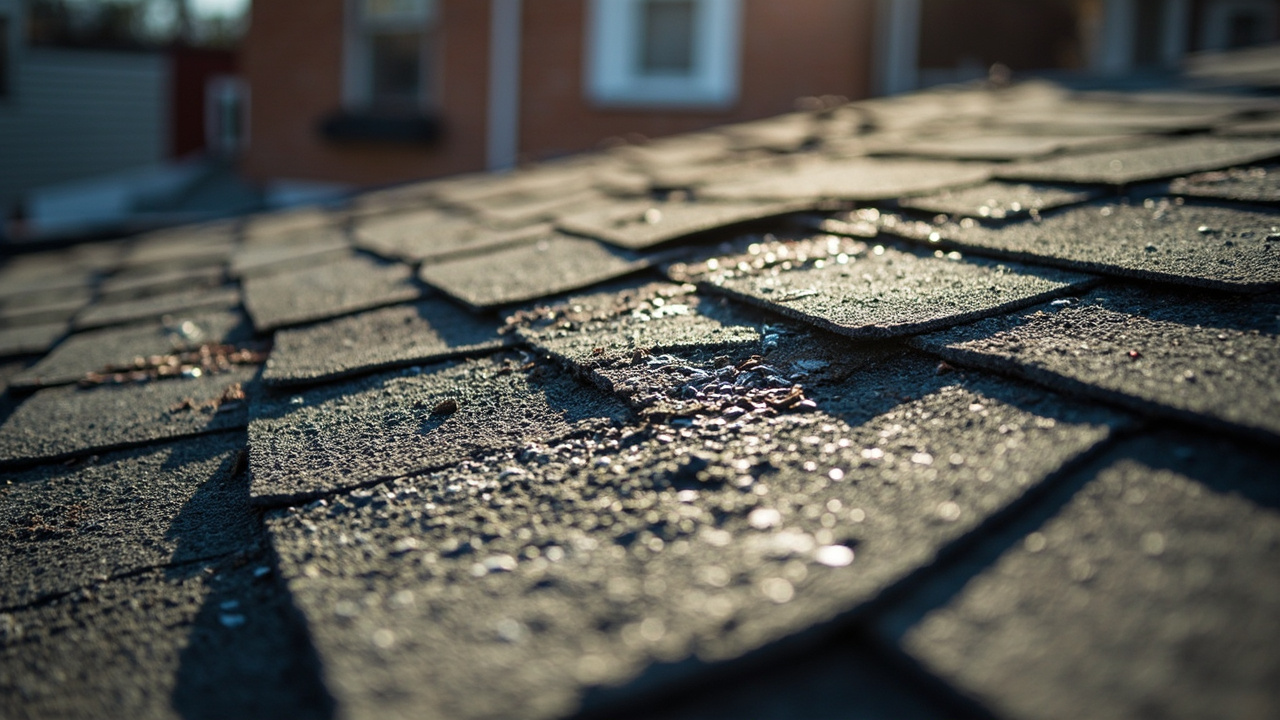
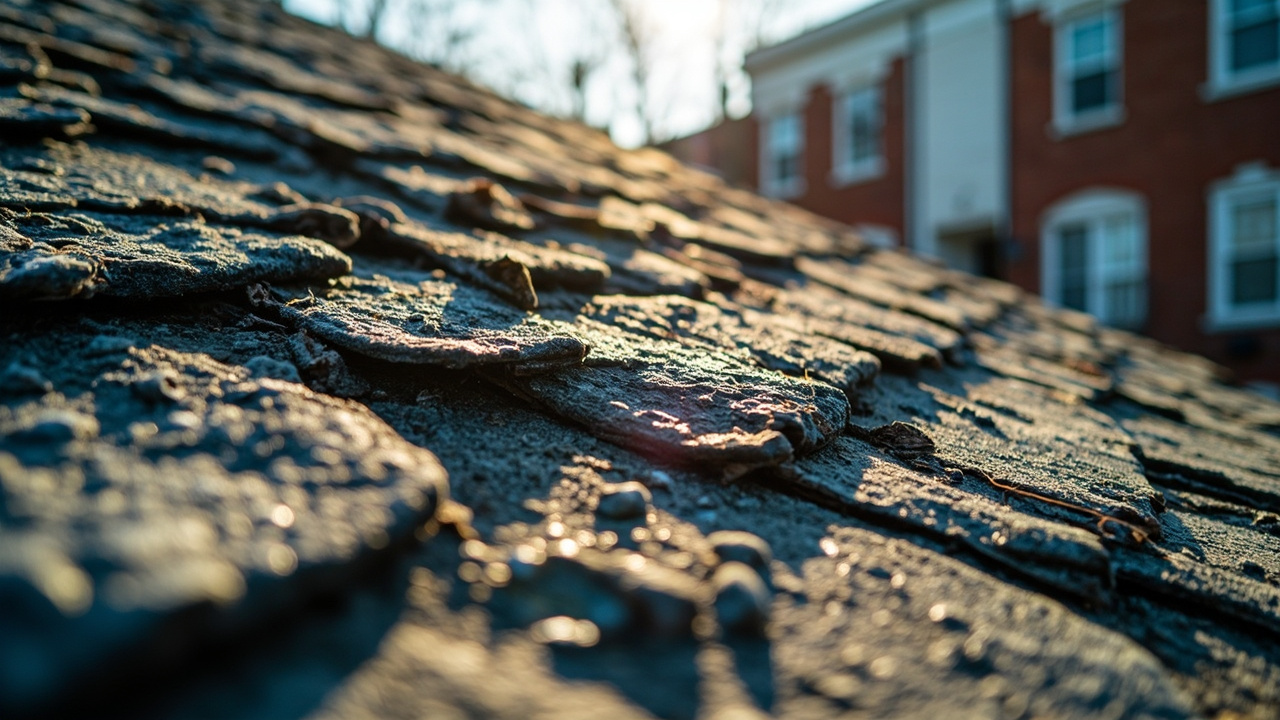
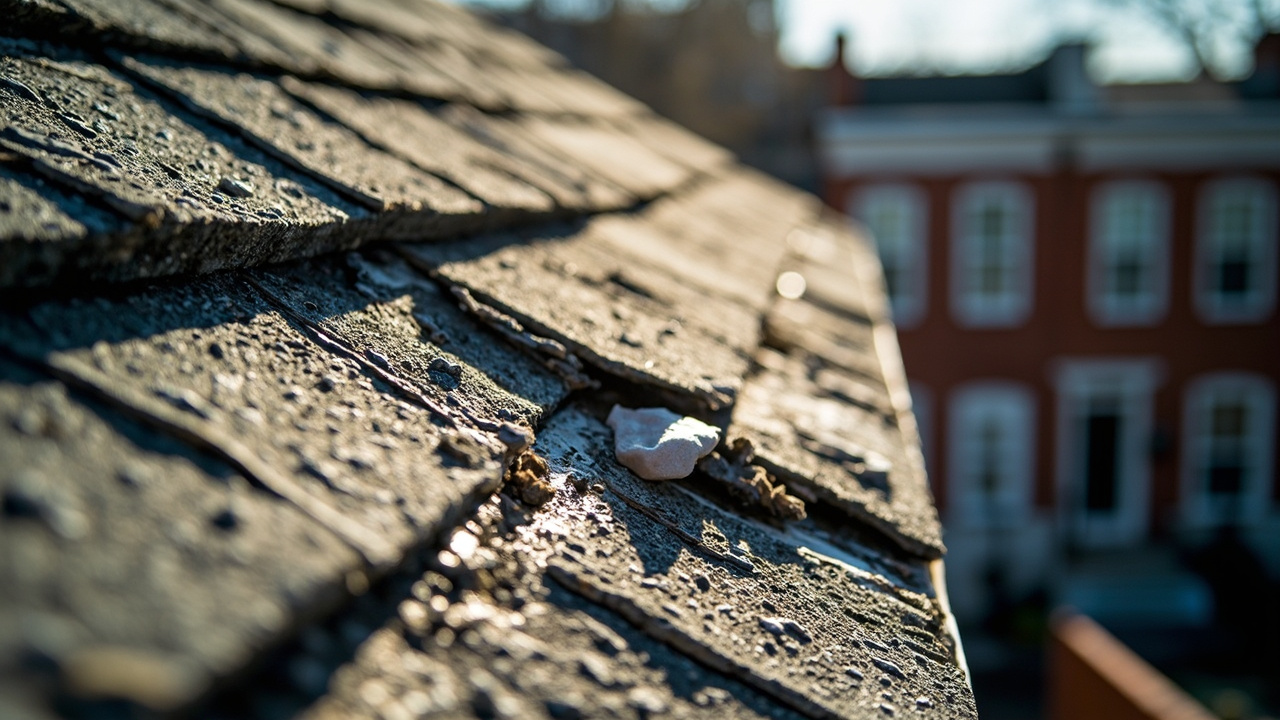
Shingle blistering appears as raised bubbles or bulges on the asphalt shingle surface. You will see small to medium-sized bumps that look like trapped air pockets beneath the granular coating. The blisters can be clear or filled with moisture. When they rupture, they expose the underlayer and create vulnerable spots where granules have worn away. In Baltimore's humid summers, this damage becomes more visible as moisture accelerates the deterioration. The blistering typically starts on south-facing roof sections that receive intense sun exposure and worsens over time without intervention.

What does it mean when shingles blister? +

When asphalt shingles blister, it means trapped moisture or air is expanding beneath the surface layer. This happens when manufacturing defects, poor attic ventilation, or installation errors allow moisture to penetrate the shingle structure. In Baltimore, where humidity regularly spikes during summer months, inadequate ventilation in your attic space forces hot, moist air through shingles from below. The heat then causes expansion and bubble formation. Blistering weakens your roof's protective barrier and shortens its lifespan. It signals an underlying ventilation problem that needs correction before widespread damage occurs.

What stage of shingles are blisters? +

Shingle blistering is an early-to-mid stage of asphalt shingle deterioration. It occurs after initial installation but before complete failure. You will notice it developing within the first 5 to 10 years on poorly ventilated roofs or defective materials. The progression moves from initial bubble formation to blister rupture, then granule loss and eventual water infiltration. Baltimore's freeze-thaw cycles accelerate this timeline because trapped moisture expands when temperatures drop. Catching blistering early prevents costly repairs down the line. Once blisters rupture and expose the mat layer, your roof enters an advanced failure stage.

Is shingles contagious when blistering? +

Shingle blistering on your roof is not contagious. This is strictly a physical deterioration issue caused by heat, moisture, and manufacturing defects in asphalt roofing materials. Blisters do not spread from one shingle to adjacent shingles through contact. However, the underlying cause, poor attic ventilation or trapped moisture, affects your entire roof system uniformly. You may see blistering patterns develop across multiple shingles simultaneously because they share the same environmental stressors. In Baltimore's humid climate, ventilation problems affect all roof sections exposed to heat and moisture buildup equally.

What dries up shingles blisters? +

Nothing truly dries up shingle blisters because they represent permanent structural damage to asphalt roofing materials. Once the blister forms and ruptures, it exposes the underlying mat and creates a weak point vulnerable to water penetration. You cannot reverse this damage. Professional roofers address blistering by replacing affected shingles and correcting the root cause, usually inadequate attic ventilation. In Baltimore, where summer heat and humidity intensify the problem, improving airflow through ridge vents and soffit vents prevents new blisters from forming. Replacement remains the only fix for existing damage.

What can be mistaken for shingles blisters? +

Hail damage resembles shingle blistering but shows distinct impact marks with sharp edges. You might also confuse normal granule loss or manufacturing defects with blistering. Thermal cracking creates surface fractures that differ from the bubble-like appearance of blisters. In Baltimore, storm damage from severe thunderstorms can produce dimpling that looks similar to early-stage blistering. Algae growth creates dark streaking that homeowners sometimes mistake for blister shadows. A professional roof inspection identifies the true cause. Understanding the difference matters for insurance claims and determining whether you need ventilation improvements or full shingle replacement.

How long will shingles blisters last? +

Shingle blisters are permanent once they form. The timeline from initial bubble formation to complete rupture varies from months to several years depending on sun exposure and weather conditions. In Baltimore, intense summer heat accelerates blister rupture within one to two seasons after formation. Once the blister pops and exposes the underlayer, deterioration continues indefinitely until you replace the damaged shingles. The surrounding granules wash away during rainstorms, expanding the vulnerable area. Blisters do not heal or disappear on their own. Ignoring them leads to water infiltration and deck damage.

What do shingles blisters look like when healing? +

Shingle blisters do not heal. They worsen over time as the protective granular layer erodes away from the exposed area. After a blister ruptures, you will see a darker spot where the asphalt mat shows through. Rain washes away surrounding granules, enlarging the damaged section. In Baltimore, winter freeze-thaw cycles cause additional cracking around the original blister site. The exposed area becomes increasingly brittle and prone to tearing in high winds. What starts as a small bubble eventually becomes a significant weak point requiring replacement. Professional roofers remove damaged shingles and install new ones.

How long do shingles take to turn into blisters? +

Shingles can develop blisters within the first few months after installation if manufacturing defects exist or ventilation is inadequate. However, most blistering appears 2 to 5 years into the roof's lifespan once heat and moisture accumulation reach critical levels. In Baltimore, where summer attic temperatures exceed 150 degrees without proper ventilation, blistering can develop faster than the national average. South-facing roof sections show damage first because they receive maximum sun exposure. The exact timeline depends on your attic ventilation quality, shingle manufacturing standards, and installation technique.

Are shingles blisters big or small? +

Shingle blisters range from small quarter-sized bubbles to large areas spanning several inches across. Size depends on how much moisture or air becomes trapped beneath the surface layer. In Baltimore's humid climate, larger blisters tend to form because sustained moisture exposure allows bigger pockets to develop before rupture. Small blisters appear more frequently across the roof surface in a scattered pattern. Large blisters typically indicate severe ventilation problems or manufacturing defects. Both sizes cause the same structural damage once they rupture and expose the underlying mat to weather and UV deterioration.

How Baltimore's Harbor Humidity Accelerates Shingle Deterioration

Baltimore's proximity to the Chesapeake Bay creates persistent humidity that never fully leaves the air, even on clear days. This constant moisture saturation means your roof shingles rarely dry completely between rain events. When moisture-laden shingles heat up under summer sun, the trapped water vapor expands and forms blisters between the asphalt layers. Neighborhoods closest to the harbor, from Locust Point to Fells Point, see accelerated blister formation because salt-laden air also breaks down the protective granules faster. Your roof ages differently here than it would in drier inland climates, which is why understanding local moisture dynamics matters when diagnosing and repairing roof blisters.

Baltimore enforces strict building codes for roof ventilation because the city recognizes how local humidity affects roof longevity. Any repair work must meet IRC ventilation requirements, which specify one square foot of ventilation for every 150 square feet of attic space when using balanced intake and exhaust. Many older Baltimore homes were built before these codes existed and suffer chronic moisture problems as a result. Working with a roofing team that understands local code requirements and knows how to retrofit modern ventilation into historic home designs protects your investment and ensures repairs pass inspection if you ever sell.
Roofing Services in The Baltimore Area

We are proud to be a locally owned and operated business committed to serving the entire Baltimore community and its surrounding counties. View our office location on the map and see the breadth of our service area. We encourage you to visit our facility or contact us directly to discuss your next roofing project.

Address:
A Plus Roofing Baltimore, 101 N Haven St, Baltimore, MD, 21224

Additional Services We Offer

Our news updates

Latest Articles & News from The Blogs

How New Attic Insulation Can Actually Extend the Life of Your Towson Roof Your Towson roof faces a unique combination…

How New Attic Insulation Can Actually Extend the Life of Your Towson Roof

How New Attic Insulation Can Actually Extend the Life of Your Towson Roof Your Towson roof faces a unique combination…

Why Pressure Washing Your Pikesville Roof Does More Harm Than Good

Why Pressure Washing Your Pikesville Roof Does More Harm Than Good Your Pikesville roof faces unique challenges from Maryland’s humid…

Why Steep Slope Roofs in Mount Airy Require a Different Kind of Specialist

Why Steep Slope Roofs in Mount Airy Require a Different Kind of Specialist Steep slope roofs in Mount Airy present…

Contact Us

Call A Plus Roofing Baltimore at (443) 455-9099 for a thermal imaging inspection. We diagnose the moisture source, fix the ventilation problem, and repair your shingles correctly. Do not wait until blisters turn into leaks.