
How to Repair and Protect Decorative Roof Cornices on Baltimore City Rowhomes
Baltimore rowhomes feature distinctive decorative cornices that define the city’s historic streetscape. These ornate architectural elements require specialized repair knowledge to preserve both structural integrity and historic character. This guide covers the complete process of cornice restoration for Baltimore’s unique rowhouse architecture. EPA Lead-Safe Renovation Requirements.
Understanding Baltimore Rowhome Cornice Architecture
Baltimore rowhomes built between 1870 and 1930 typically feature wood or galvanized steel cornices with intricate dentil molding, brackets, and crown details. The cornices often integrate with box gutters that channel water along the roof edge. Many Federal Hill and Fells Point rowhomes have original wood cornices that have endured over 100 years of Baltimore’s humid summers and freeze-thaw winters. Baltimore Commission for Historical and Architectural Preservation.
Common failure patterns include wood rot at the roof line where moisture penetrates, rusted metal panels that bubble and flake, and structural sagging where brackets fail. The cornice’s position makes it vulnerable to water infiltration from both above and below, creating a perfect environment for decay. Installing a Metal Roof in Columbia — Is It Worth the Investment?.
Common Cornice Issues in Baltimore Rowhomes
Wood rot represents the most frequent problem in Baltimore’s historic districts. Moisture from box gutters seeps into the cornice structure, causing deterioration that often extends several inches beyond visible damage. A simple screwdriver test reveals soft spots where wood has lost structural integrity. Flat Roof Repair for Baltimore Rowhouses — What Every Homeowner in Canton Needs to Know.
Paint failure accelerates deterioration. Baltimore’s high humidity causes paint to blister and peel, exposing bare wood to moisture. Lead-based paints in homes built before 1978 require EPA-certified abatement procedures under 40 CFR Part 745.. Read more about What Baltimore City Homeowners Need to Know About Roofing Permits and Inspections.
Structural sagging occurs when supporting brackets corrode or wood members weaken. This creates gaps between the cornice and the building facade, allowing water to penetrate the wall cavity. In severe cases, entire cornice sections may pull away from the building.
Box gutter integration problems compound cornice issues. When gutters clog or slope incorrectly, water backs up under the cornice flashing, causing rot that spreads into the roof deck and interior walls.
Our Cornice Restoration Process
- Comprehensive Inspection
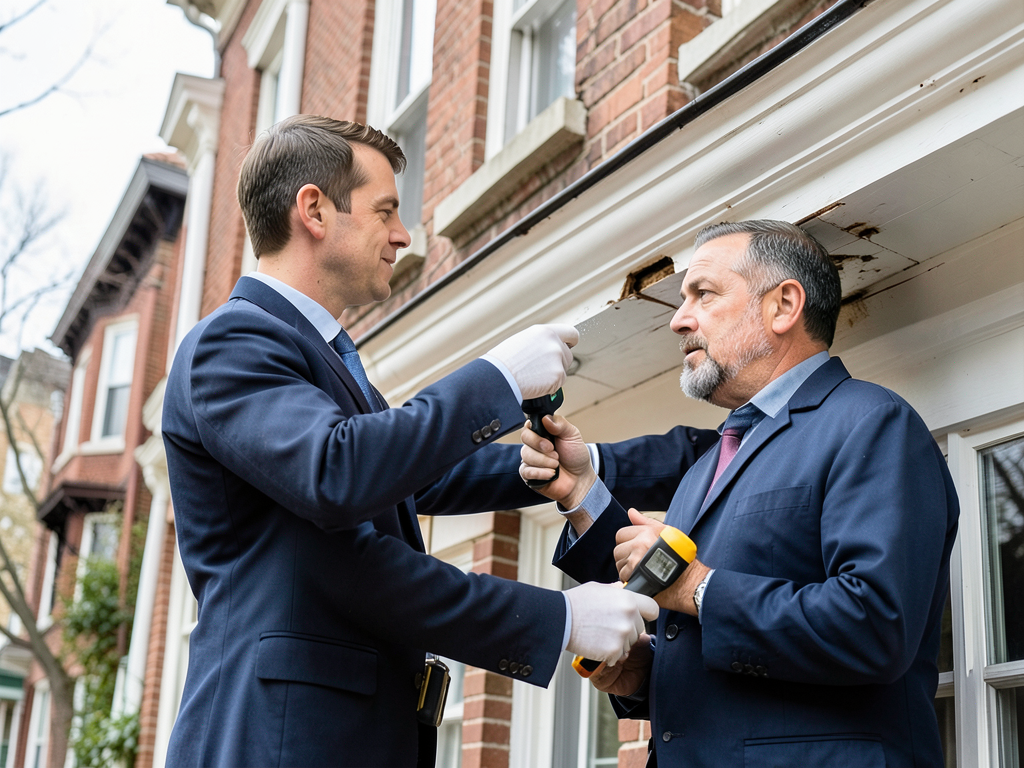
We examine the entire cornice system using moisture meters to detect hidden rot and thermal imaging to identify water infiltration patterns. This diagnostic phase reveals damage extent beyond visible surfaces.. Read more about The Hidden Danger of Crumbling Parapet Walls on Baltimore Rowhouses.
- Structural Assessment
We evaluate bracket condition, check for proper anchoring to masonry, and assess the box gutter system. Many Federal Hill rowhomes require temporary scaffolding permits from Baltimore City’s Department of Transportation under Section 17-1-103. Why Your Federal Hill Flat Roof is Leaking and How to Fix It for Good.
- Material Selection
We match original materials when possible. For wood cornices, we use marine-grade lumber or epoxy consolidation for minor rot. Metal cornices may require galvanized steel replacement matching original profiles. Metal Retrofit Roofing.
- Lead Paint Abatement
Homes built before 1978 undergo lead-safe work practices including containment, HEPA vacuuming, and proper disposal under EPA regulations.
- Structural Repair
We replace rotted wood members, reinforce brackets, and ensure proper flashing integration with the roof system. This phase addresses the root causes of failure.
- Weatherproofing
We install proper flashing, seal all joints with elastomeric caulk, and ensure box gutters drain correctly. This prevents future moisture infiltration.
- Finish Application
We apply premium exterior primers and paints designed for Baltimore’s climate. Two complete coats ensure long-term protection.
Historic District Compliance in Baltimore
Baltimore’s Commission for Historical and Architectural Preservation (CHAP) oversees exterior modifications in historic districts including Federal Hill, Fells Point, and Mount Vernon. CHAP guidelines require that repairs maintain original architectural character.
Before beginning work in CHAP districts, property owners must submit detailed drawings showing proposed repairs. CHAP reviews these submissions to ensure compatibility with surrounding structures. The commission often requires specific wood species or metal profiles to match original construction.
Federal Hill rowhomes built between 1880 and 1920 typically feature elaborate wood cornices with hand-carved details. CHAP may require these elements be restored rather than replaced with modern materials. However, concealed structural repairs using modern materials are generally acceptable.
Permit requirements vary by district. Work in CHAP areas requires both CHAP approval and standard Baltimore City building permits. The process typically takes 2-4 weeks for approval.
The Connection Between Cornices and Roof Leaks
Failed cornices create pathways for water infiltration that damage roofs, walls, and interior finishes. When cornice flashing separates from the roof edge, water flows directly into the wall cavity. This moisture causes rot in roof rafters and ceiling joists.
Box gutter failures represent a major source of cornice-related leaks. When gutters sag or clog, water backs up under the flashing and into the cornice structure. This creates a cycle of deterioration that spreads upward into the roof system.
Ice dam formation in winter exacerbates cornice problems. Snow melts on the roof surface, then refreezes at the colder cornice edge. This ice buildup forces water under shingles and flashing, causing interior leaks.
Early warning signs include water stains on interior walls near the roof line, peeling paint on cornice surfaces, and visible gaps between the cornice and building facade. Addressing these issues promptly prevents extensive structural damage.
Cornice Repair Costs in Baltimore
Repair costs vary significantly based on damage extent, material type, and accessibility. Simple paint and minor wood repair for a standard cornice might cost $2,000-4,000. Complete restoration including structural repairs typically ranges from $8,000-15,000. How Much a New Roof Costs in Towson (2026 Estimates).
CHAP district requirements may increase costs due to specialized material requirements and approval processes. Scaffolding permits add $500-1,500 to project costs. Lead paint abatement adds $1,000-3,000 for pre-1978 homes.
Material selection impacts long-term costs. Premium marine-grade lumber costs more initially but provides better longevity than standard lumber. Metal cornices may require specialized welding that increases labor costs.
Preventive maintenance costs $500-1,000 annually and includes inspection, cleaning, and minor repairs. This investment prevents costly emergency repairs and extends cornice life by 10-15 years.
Material Selection for Baltimore Cornices
Wood remains the traditional choice for Baltimore rowhomes. Cedar and redwood offer natural rot resistance. Modern alternatives include pressure-treated lumber and engineered wood products that provide better moisture resistance.. Read more about DaVinci Roofscapes vs Natural Slate for Historic Homes in Lutherville.
Galvanized steel cornices require specialized repair techniques. Rust removal using wire brushing or sandblasting prepares surfaces for rust-inhibiting primers. Welding repairs must match original profiles for CHAP compliance.
Modern composite materials offer alternatives for severely deteriorated cornices. These materials resist moisture and insects while maintaining architectural profiles. However, CHAP may restrict their use in historic districts.
Epoxy consolidation allows preservation of original wood while adding structural strength. This technique involves injecting liquid epoxy into deteriorated areas, which then hardens to create a solid, moisture-resistant repair.
Preventative Maintenance for Rowhome Owners
Annual inspections identify problems before they require major repairs. Look for peeling paint, rust spots, and gaps between the cornice and building. Check box gutters for debris and proper drainage.
Cleaning removes debris that traps moisture against the cornice. Pressure washing at low pressure (under 1,500 PSI) removes dirt without damaging paint or wood. High-pressure washing can force water into joints and cause damage.
Caulking maintenance prevents water infiltration. Replace cracked or missing caulk around joints and flashing. Use high-quality exterior caulk designed for Baltimore’s temperature extremes.
Paint maintenance extends cornice life. Repaint every 5-7 years in Baltimore’s climate. Proper surface preparation including scraping, sanding, and priming ensures paint adhesion and longevity.
Tree trimming prevents physical damage from branches rubbing against the cornice. Maintain at least 18 inches of clearance between tree limbs and the building.
Choosing a Cornice Repair Contractor in Baltimore
Look for contractors with specific experience in Baltimore rowhome restoration. Ask for examples of similar projects in Federal Hill, Fells Point, or other historic districts. Verify MHIC license and insurance coverage.
CHAP experience is essential for work in historic districts. Contractors should understand CHAP requirements and have experience navigating the approval process. Ask for references from previous CHAP projects.
Lead paint certification is mandatory for homes built before 1978. Verify EPA certification and ask about lead-safe work practices. This protects both workers and residents from lead exposure.
Scaffolding expertise matters for Baltimore rowhomes. Contractors must understand Baltimore City permitting requirements and have experience with tight urban job sites. Ask about their safety record and insurance coverage.
Detailed proposals should outline the complete scope of work, materials to be used, and timeline. Avoid contractors who provide vague estimates or pressure for quick decisions.
Frequently Asked Questions
How long does cornice restoration typically take?
Most cornice restoration projects require 2-3 weeks from start to finish. This includes inspection, permit approval, repairs, and finishing work. Weather delays may extend timelines during Baltimore’s rainy seasons.
Can I paint my cornice myself?
DIY painting is possible for minor cosmetic work, but structural repairs require professional expertise. Lead paint in pre-1978 homes requires EPA-certified contractors. Improper repairs can trap moisture and accelerate deterioration.
What permits are required for cornice work?
Baltimore City building permits are required for structural repairs. CHAP approval is required in historic districts. Scaffolding permits from the Department of Transportation may be required for work affecting sidewalks or streets.
How can I tell if my cornice needs repair?
Signs include peeling paint, visible rot, sagging sections, gaps between the cornice and building, water stains on interior walls, and rust on metal surfaces. Annual inspections help identify problems early.
Will cornice repairs affect my home’s value?
Properly executed cornice repairs maintain or increase home value by preserving architectural character and preventing water damage. CHAP-compliant work in historic districts often enhances property values by maintaining neighborhood character.
Protecting Your Baltimore Rowhome Investment
Baltimore’s rowhome cornices represent both architectural heritage and critical weather protection. These ornate features require specialized knowledge to repair properly while maintaining historic character. Whether you own a Federal Hill brownstone or a Fells Point rowhome, proper cornice maintenance protects your investment and preserves Baltimore’s unique architectural legacy.. Read more about Restoring the Unique Mansard Roofs of Bolton Hill Historic District.
Don’t wait for visible damage to become severe structural problems. Early intervention prevents costly emergency repairs and protects your home’s interior from water damage. Professional inspection can identify issues before they require major restoration.
Call (443) 455-9099 today to schedule your free cornice inspection. Our Baltimore-based team understands the unique challenges of rowhome restoration and can provide expert guidance on preserving your home’s architectural character while ensuring long-term protection from Baltimore’s challenging climate.
Pick up the phone and call (443) 455-9099 before the next storm hits. Baltimore’s weather won’t wait, and neither should you when it comes to protecting your home’s most vulnerable architectural features.
You may also find this helpful. The Best Way to Handle Roof Ventilation for Rowhouses with No Overhangs.
{
“@context”: “https://schema.org”,
“@type”: “BlogPosting”,
“headline”: “How to Repair and Protect Decorative Roof Cornices on Baltimore City Rowhomes”,
“description”: “Expert guide to repairing Baltimore rowhome cornices. Learn wood rot repair, weatherproofing, and CHAP compliance for Federal Hill and Fells Point homes.”,
“wordCount”: 1754,
“datePublished”: “2026-06-07T11:18:00.000Z”,
“dateModified”: “2026-06-07T11:18:00.000Z”,
“inLanguage”: “en-US”,
“mainEntityOfPage”: {
“@type”: “WebPage”,
“@id”: “https://aplusroofingbaltimore.com”
},
“publisher”: {
“@type”: “LocalBusiness”,
“name”: “A Plus Roofing Baltimore”,
“url”: “https://aplusroofingbaltimore.com”
},
“author”: {
“@type”: “Organization”,
“name”: “A Plus Roofing Baltimore”,
“url”: “https://aplusroofingbaltimore.com”
},
“image”: {
“@type”: “ImageObject”,
“url”: “https://aplusroofingbaltimore.com/wp-content/uploads/2026/03/how-to-repair-and-protect-decorative-roof-cornices-1.png”
}
}
{
“@context”: “https://schema.org”,
“@type”: “RoofingContractor”,
“name”: “A Plus Roofing Baltimore”,
“url”: “https://aplusroofingbaltimore.com”,
“address”: {
“@type”: “PostalAddress”,
“addressLocality”: “Baltimore”
},
“areaServed”: {
“@type”: “City”,
“name”: “Baltimore”
}
}
{
“@context”: “https://schema.org”,
“@type”: “FAQPage”,
“mainEntity”: [
{
“@type”: “Question”,
“name”: “How long does cornice restoration typically take?”,
“acceptedAnswer”: {
“@type”: “Answer”,
“text”: “Most cornice restoration projects require 2-3 weeks from start to finish. This includes inspection, permit approval, repairs, and finishing work. Weather delays may extend timelines during Baltimore’s rainy seasons.”
}
},
{
“@type”: “Question”,
“name”: “Can I paint my cornice myself?”,
“acceptedAnswer”: {
“@type”: “Answer”,
“text”: “DIY painting is possible for minor cosmetic work, but structural repairs require professional expertise. Lead paint in pre-1978 homes requires EPA-certified contractors. Improper repairs can trap moisture and accelerate deterioration.”
}
},
{
“@type”: “Question”,
“name”: “What permits are required for cornice work?”,
“acceptedAnswer”: {
“@type”: “Answer”,
“text”: “Baltimore City building permits are required for structural repairs. CHAP approval is required in historic districts. Scaffolding permits from the Department of Transportation may be required for work affecting sidewalks or streets.”
}
},
{
“@type”: “Question”,
“name”: “How can I tell if my cornice needs repair?”,
“acceptedAnswer”: {
“@type”: “Answer”,
“text”: “Signs include peeling paint, visible rot, sagging sections, gaps between the cornice and building, water stains on interior walls, and rust on metal surfaces. Annual inspections help identify problems early.”
}
},
{
“@type”: “Question”,
“name”: “Will cornice repairs affect my home’s value?”,
“acceptedAnswer”: {
“@type”: “Answer”,
“text”: “Properly executed cornice repairs maintain or increase home value by preserving architectural character and preventing water damage. CHAP-compliant work in historic districts often enhances property values by maintaining neighborhood character.”
}
}
]
}
{
“@context”: “https://schema.org”,
“@type”: “HowTo”,
“name”: “Cornice Restoration Process”,
“step”: [
{
“@type”: “HowToStep”,
“position”: 1,
“name”: “Comprehensive Inspection”,
“text”: “We examine the entire cornice system using moisture meters to detect hidden rot and thermal imaging to identify water infiltration patterns. This diagnostic phase reveals damage extent beyond visible surfaces.”
},
{
“@type”: “HowToStep”,
“position”: 2,
“name”: “Structural Assessment”,
“text”: “We evaluate bracket condition, check for proper anchoring to masonry, and assess the box gutter system. Many Federal Hill rowhomes require temporary scaffolding permits from Baltimore City’s Department of Transportation under Section 17-1-103. Why Your Federal Hill Flat Roof is Leaking and How to Fix It for Good.”
},
{
“@type”: “HowToStep”,
“position”: 3,
“name”: “Material Selection”,
“text”: “We match original materials when possible. For wood cornices, we use marine-grade lumber or epoxy consolidation for minor rot. Metal cornices may require galvanized steel replacement matching original profiles. Metal Retrofit Roofing.”
},
{
“@type”: “HowToStep”,
“position”: 4,
“name”: “Lead Paint Abatement”,
“text”: “Homes built before 1978 undergo lead-safe work practices including containment, HEPA vacuuming, and proper disposal under EPA regulations.”
},
{
“@type”: “HowToStep”,
“position”: 5,
“name”: “Structural Repair”,
“text”: “We replace rotted wood members, reinforce brackets, and ensure proper flashing integration with the roof system. This phase addresses the root causes of failure.”
},
{
“@type”: “HowToStep”,
“position”: 6,
“name”: “Weatherproofing”,
“text”: “We install proper flashing, seal all joints with elastomeric caulk, and ensure box gutters drain correctly. This prevents future moisture infiltration.”
},
{
“@type”: “HowToStep”,
“position”: 7,
“name”: “Finish Application”,
“text”: “We apply premium exterior primers and paints designed for Baltimore’s climate. Two complete coats ensure long-term protection.”
}
],
“image”: “https://aplusroofingbaltimore.com/wp-content/uploads/2026/03/how-to-repair-and-protect-decorative-roof-cornices-1.png”
}
{
“@context”: “https://schema.org”,
“@type”: “BreadcrumbList”,
“itemListElement”: [
{
“@type”: “ListItem”,
“position”: 1,
“name”: “Home”,
“item”: “https://aplusroofingbaltimore.com”
},
{
“@type”: “ListItem”,
“position”: 2,
“name”: “Blog”,
“item”: “https://aplusroofingbaltimore.com/blog”
},
{
“@type”: “ListItem”,
“position”: 3,
“name”: “How to Repair and Protect Decorative Roof Cornices on Baltimore City Rowhomes”
}
]
}
{
“@context”: “https://schema.org”,
“@type”: “Service”,
“serviceType”: “Roofing”,
“provider”: {
“@type”: “LocalBusiness”,
“name”: “A Plus Roofing Baltimore”,
“url”: “https://aplusroofingbaltimore.com”
},
“areaServed”: {
“@type”: “City”,
“name”: “Baltimore”
},
“description”: “Expert guide to repairing Baltimore rowhome cornices. Learn wood rot repair, weatherproofing, and CHAP compliance for Federal Hill and Fells Point homes.”
}