
Why Your Rosedale Roof Shingles Look Like They Are Blistering or Bubbling
If you live in Rosedale and notice raised bumps or bubbles on your roof shingles, you are not alone. Many Baltimore-area homes experience this problem because of the region’s high humidity and frequent temperature swings. These blisters often look alarming but are not always a sign of immediate roof failure. Understanding what causes them and how to tell them apart from hail damage can save you time and money. Flat Roof Repair for Baltimore Rowhouses — What Every Homeowner in Canton Needs to Know.
Shingle blistering happens when moisture or air becomes trapped inside the asphalt layers during manufacturing or when the roof gets too hot. In Rosedale, where summer heat and humidity from the Chesapeake Bay are common, this problem shows up more often than in drier parts of the country. The blisters can make your roof look damaged, but they do not always mean you need a full replacement. Industrial Roof Replacement.
The first step is learning to identify the problem correctly. Blisters are raised areas that may feel soft or spongy if pressed. They often form in clusters and can pop over time, leaving exposed asphalt that may lose granules faster. If you see small dents or pockmarks instead, those are likely from hail impact and could qualify for insurance coverage. Blisters, on the other hand, are usually not covered because they result from manufacturing or ventilation issues.. Read more about Solving Ventilation Challenges for Hip Roofs on Ranch Style Homes in Parkville.
What Exactly is Shingle Blistering?
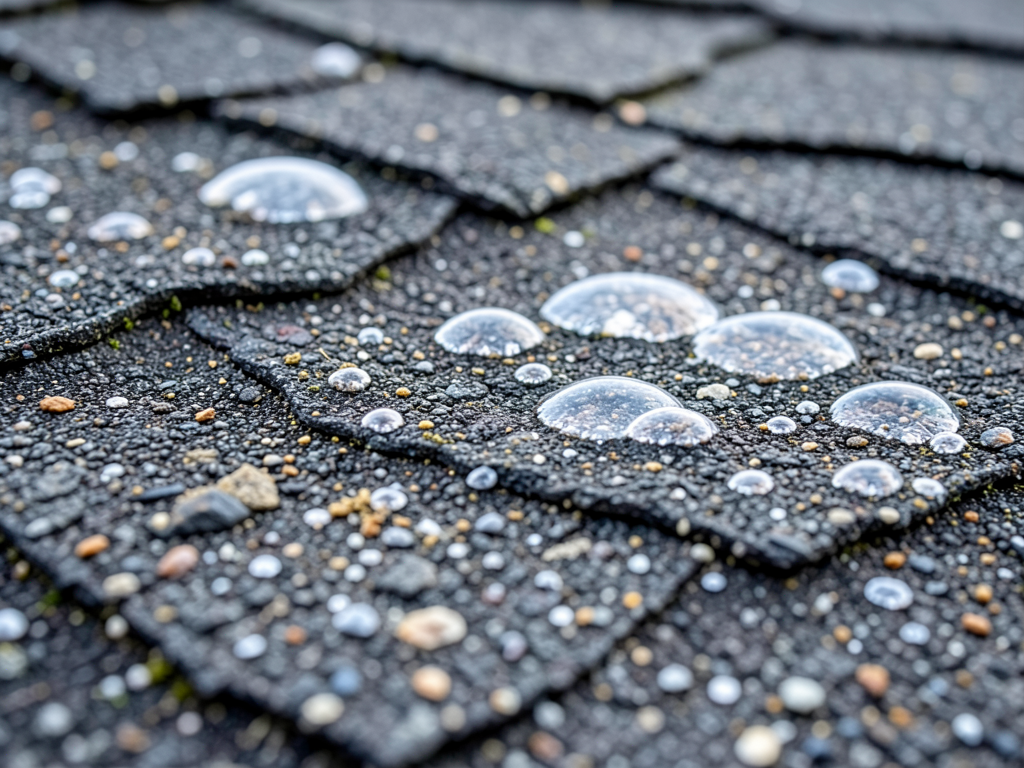
Shingle blistering is a cosmetic and sometimes structural issue that occurs when volatile compounds in the asphalt layer escape as gas. If those gases cannot vent properly, they create bubbles under the shingle surface. In Rosedale, where attic temperatures can climb above 150°F during summer months, this off-gassing process accelerates. The result is a blister that can range from the size of a pea to several inches across.
Blisters are different from other common shingle problems. Curling happens when the edges of shingles turn upward, often due to age or poor installation. Cracking is a break in the shingle surface, usually from impact or extreme cold. Blistering is unique because it involves trapped gas or moisture creating a raised dome. If you press on a blister, it may feel like a water balloon under the surface.
According to the National Roofing Contractors Association (NRCA), blistering does not always mean the shingle has lost its waterproofing ability. However, once a blister pops, the exposed asphalt can deteriorate faster from UV rays and water intrusion. In Rosedale’s humid climate, this can lead to granule loss and faster aging of the roof. National Roofing Contractors Association.
The 3 Main Causes of Roof Blisters in Maryland
Understanding the root cause of blistering helps you decide whether to repair or replace your roof. In Rosedale and the greater Baltimore area, three main factors contribute to this problem.
1. Trapped Moisture During Manufacturing
Sometimes blisters form before the shingles ever reach your home. During the manufacturing process, moisture can become sealed inside the shingle if the asphalt does not cure properly. When the sun heats the roof, that moisture turns to steam and expands, creating a blister. This type of blistering is a defect and may be covered under the manufacturer’s warranty if caught early.
CertainTeed and GAF, two major shingle manufacturers, both note that moisture trapped during production is a common cause of blistering. If your roof is less than ten years old and you see widespread blistering, check your warranty paperwork. You may be eligible for a partial or full replacement at no cost.
2. Inadequate Attic Ventilation (The Baltimore Humidity Factor)
Baltimore’s humid summers put extra stress on roofing systems. When your attic traps heat and moisture, the temperature under the shingles can soar. This creates a perfect environment for off-gassing and blister formation. In Rosedale, many homes have insufficient ridge vents or blocked soffit vents, which limits airflow. Weekend Roofing Service.
The International Residential Code requires one square foot of net free ventilation area for every 150 square feet of attic space. If your attic falls short of this, heat builds up and accelerates shingle aging. A simple way to check is to look for visible vents along the roof peak and under the eaves. If you see none, your attic is likely not breathing properly.
Installing additional ridge vents or improving soffit intake can reduce blister formation. In some cases, adding an attic fan can also help move hot air out before it damages the shingles. A professional roof inspection can measure attic temperature and humidity to determine if ventilation is the culprit. Installing a Metal Roof in Columbia — Is It Worth the Investment?.
3. Natural Aging and Sun Exposure
Even with perfect ventilation, shingles will blister over time as the asphalt oxidizes and loses volatiles. In Rosedale, where summers are long and sunny, UV rays break down the chemical bonds in the shingle. This process, called thermal shock, causes the material to expand and contract with temperature changes.
Older shingles, typically those over fifteen years old, are more prone to blistering from age alone. If you notice blisters on a roof that is nearing the end of its lifespan, it may be more cost-effective to replace the entire roof rather than repair individual areas. Modern shingles have better UV resistance and may last longer in Baltimore’s climate.
Shingle Blisters vs. Hail Damage: How to Tell the Difference
One of the biggest sources of confusion for Rosedale homeowners is distinguishing between blisters and hail damage. Both can look like raised spots on the shingle surface, but they have different causes and insurance implications.
Blisters are usually smooth and may feel soft if pressed. They often appear in groups and can be of varying sizes. Hail damage, on the other hand, creates small, round indentations that look like pockmarks. These dents often have a dark center where granules have been knocked away, exposing the asphalt.
Insurance companies typically cover hail damage because it is sudden and caused by an act of nature. Blistering is considered a maintenance or manufacturing issue and is usually excluded from coverage. If you are unsure, a professional roofer can perform a detailed inspection and provide photos to support an insurance claim if needed.
Here is a quick comparison to help you identify the problem:
| Feature | Shingle Blister | Hail Damage |
|---|---|---|
| Appearance | Smooth, raised dome | Round dent with dark center |
| Feel | Soft or spongy | Hard, indented |
| Coverage | Usually not covered | Often covered by insurance |
| Common in Rosedale | Yes, from humidity | After severe storms |
Does Blistering Mean You Need a New Roof?
Not every blister requires a full roof replacement. If your roof is relatively new and the blisters are few, you may be able to repair the affected area. A professional roofer can cut away the blistered section and seal the area to prevent further damage.
However, if blistering is widespread or your roof is over fifteen years old, replacement may be the better option. Blisters that pop leave the shingle vulnerable to water intrusion and granule loss. In Rosedale’s rainy climate, this can lead to leaks and wood rot in the roof deck.
Another factor to consider is the age of your shingles. Most asphalt shingles last twenty to twenty-five years. If your roof is approaching that age and you see blisters, it may be nearing the end of its useful life. Replacing it now can prevent emergency repairs later.
During an inspection, a roofer will check for other signs of wear such as curling, cracking, or missing granules. If these issues are present along with blistering, replacement is usually recommended. If the rest of the roof is in good shape, a repair may be sufficient.
How to Prevent Shingle Damage in the Mid-Atlantic Climate
Preventing blisters starts with good installation and proper attic ventilation. In Rosedale, where humidity and heat are constant challenges, these steps can extend the life of your roof.
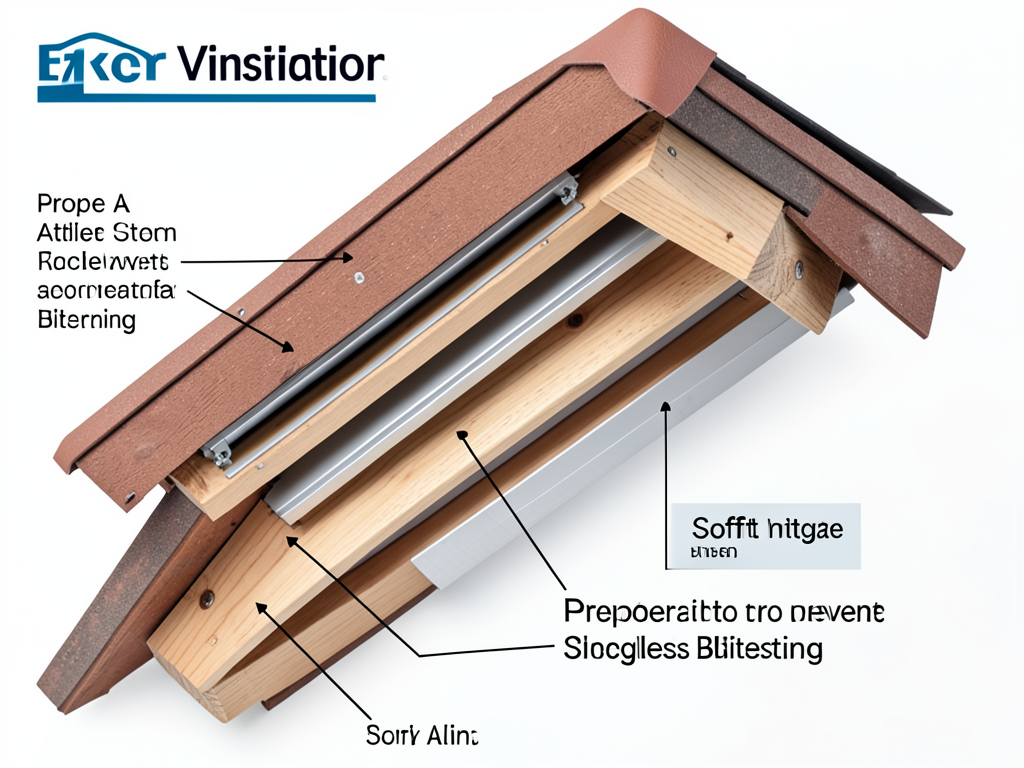
First, make sure your attic has balanced intake and exhaust ventilation. Soffit vents along the eaves allow cool air to enter, while ridge vents at the peak let hot air escape. This airflow keeps the temperature under the shingles closer to the outside air, reducing off-gassing.
Second, choose high-quality shingles designed for humid climates. Look for products with good UV resistance and a strong warranty. Some manufacturers offer shingles with reflective granules that can reduce heat absorption and lower attic temperatures.
Third, schedule regular roof inspections. A professional can spot early signs of blistering, poor ventilation, or other issues before they become major problems. In Rosedale, an inspection every two to three years is a good rule of thumb.
Finally, keep your gutters clean and in good repair. Clogged gutters can cause water to back up under the shingles, leading to rot and mold. Proper drainage is especially important in Rosedale, where heavy rains are common in summer and fall.
Local Building Codes and Warranty Considerations
In Baltimore County, including Rosedale, the Maryland Building Performance Standards (MBPS) require certain ventilation and underlayment practices for new roofs. For example, the code mandates a minimum of one square foot of net free ventilation area per 150 square feet of attic floor space. If your home was built before these standards were adopted, it may not meet current requirements. Maryland Building Performance Standards.
Upgrading your attic ventilation to meet code can not only prevent blistering but also improve energy efficiency. Some utility companies in Maryland offer rebates for improvements that reduce heat gain in the summer.. Read more about Upgrading from 3-Tab to Architectural Shingles in Dundalk — Is the Price Difference Worth It?.
Warranty coverage is another important consideration. Most shingle manufacturers offer a limited warranty that covers defects like blistering from trapped moisture. However, damage from poor ventilation or lack of maintenance is usually excluded. Keep your warranty documents in a safe place and review them before calling for repairs.
If you suspect your blistering is due to a manufacturing defect, contact the manufacturer or your installer. They may send an inspector to evaluate the roof and determine if a claim is valid. In some cases, they will replace the affected shingles at no cost.
DIY Checks and When to Call a Professional
If you feel comfortable climbing a ladder, you can perform a basic check for blistering. Look for raised areas on the shingle surface, especially on south-facing slopes where the sun hits hardest. Use a pair of binoculars to inspect from the ground if you prefer not to climb.
Be cautious not to walk on the roof, as this can cause additional damage. If you see widespread blistering or other signs of wear, it is best to call a professional. A trained roofer can safely inspect the roof, check the attic for ventilation issues, and provide a detailed report.
Another sign that you need professional help is if you notice granules in your gutters. This indicates the shingles are breaking down and may not last much longer. A roofer can measure the depth of granule loss and advise whether repair or replacement is the better option.
Finally, if you have experienced a recent storm with hail, it is wise to have your roof inspected even if you do not see obvious damage. Hail can cause micro-fractures that weaken the shingle over time. A professional can document any damage and help you file an insurance claim if needed. Getting Your Roof Inspected Before Buying a Home in Locust Point.
Frequently Asked Questions
Can I repair shingle blisters myself?
Small blisters can sometimes be repaired by cutting a slit in the top and sealing with roofing cement. However, this is a temporary fix and may void your warranty. For best results, hire a professional roofer.. Read more about Choosing Roofing Materials That Won’t Corrode on Bowleys Quarters Waterfront Properties.
How long do asphalt shingles last in Rosedale?
With proper installation and ventilation, asphalt shingles typically last twenty to twenty-five years in the Baltimore area. Harsh sun, humidity, and poor airflow can shorten this lifespan.
Will blistering cause leaks?
Intact blisters do not usually cause leaks. Once a blister pops, the exposed asphalt can deteriorate faster, increasing the risk of water intrusion. Regular inspections can catch this early.
Is blistering covered by insurance?
Most insurance policies do not cover blistering because it is considered a maintenance or manufacturing issue. Hail damage, which looks similar, is often covered.
How can I improve my attic ventilation?
Adding ridge vents, soffit vents, or an attic fan can improve airflow. A professional can measure your current ventilation and recommend upgrades to meet code requirements.
Protect Your Rosedale Home with Expert Roofing Services
Shingle blistering can be frustrating, especially when it makes your roof look older than it is. In Rosedale’s humid climate, proper ventilation and quality materials are your best defense. If you see blisters, don’t wait until they turn into leaks or wood rot.
A professional inspection can determine whether you need a repair, improved ventilation, or a full replacement. With the right approach, you can extend the life of your roof and avoid costly emergency repairs. Remember, blisters are not always a sign of failure, but they are a warning that your roof needs attention.
If you are in Rosedale or anywhere in the Baltimore area and need help with shingle blistering, call (443) 455-9099 today. Our team has years of experience handling Baltimore’s unique roofing challenges. We offer free inspections and can help you decide the best path forward for your home.
Don’t let blistering blisters bubble into bigger problems. Pick up the phone and call (443) 455-9099 before the next storm hits. We are here to help you protect your home and your investment.
You may also find this helpful. Using Zinc or Copper Strips to Stop Roof Algae in Shady Parts of Woodberry.
{
“@context”: “https://schema.org”,
“@type”: “BlogPosting”,
“headline”: “Why Your Rosedale Roof Shingles Look Like They Are Blistering or Bubbling”,
“description”: “Baltimore homeowners in Rosedale often see shingle blisters from humidity and poor ventilation. Learn the causes, how to tell them from hail damage, and when to call a pro.”,
“wordCount”: 2261,
“datePublished”: “2026-04-14T14:05:00.000Z”,
“dateModified”: “2026-04-14T14:05:00.000Z”,
“inLanguage”: “en-US”,
“mainEntityOfPage”: {
“@type”: “WebPage”,
“@id”: “https://aplusroofingbaltimore.com”
},
“publisher”: {
“@type”: “LocalBusiness”,
“name”: “A Plus Roofing Baltimore”,
“url”: “https://aplusroofingbaltimore.com”
},
“author”: {
“@type”: “Organization”,
“name”: “A Plus Roofing Baltimore”,
“url”: “https://aplusroofingbaltimore.com”
},
“image”: {
“@type”: “ImageObject”,
“url”: “https://aplusroofingbaltimore.com/wp-content/uploads/2026/03/why-your-rosedale-roof-shingles-look-like-they-are-1.png”
}
}
{
“@context”: “https://schema.org”,
“@type”: “RoofingContractor”,
“name”: “A Plus Roofing Baltimore”,
“url”: “https://aplusroofingbaltimore.com”,
“address”: {
“@type”: “PostalAddress”,
“addressLocality”: “Baltimore”
},
“areaServed”: {
“@type”: “City”,
“name”: “Baltimore”
}
}
{
“@context”: “https://schema.org”,
“@type”: “FAQPage”,
“mainEntity”: [
{
“@type”: “Question”,
“name”: “What Exactly is Shingle Blistering?”,
“acceptedAnswer”: {
“@type”: “Answer”,
“text”: “Shingle blistering is a cosmetic and sometimes structural issue that occurs when volatile compounds in the asphalt layer escape as gas. If those gases cannot vent properly, they create bubbles under the shingle surface. In Rosedale, where attic temperatures can climb above 150°F during summer months, this off-gassing process accelerates. The result is a blister that can range from the size of a pea to several inches across.”
}
},
{
“@type”: “Question”,
“name”: “Does Blistering Mean You Need a New Roof?”,
“acceptedAnswer”: {
“@type”: “Answer”,
“text”: “Not every blister requires a full roof replacement. If your roof is relatively new and the blisters are few, you may be able to repair the affected area. A professional roofer can cut away the blistered section and seal the area to prevent further damage.”
}
},
{
“@type”: “Question”,
“name”: “Can I repair shingle blisters myself?”,
“acceptedAnswer”: {
“@type”: “Answer”,
“text”: “Small blisters can sometimes be repaired by cutting a slit in the top and sealing with roofing cement. However, this is a temporary fix and may void your warranty. For best results, hire a professional roofer.”
}
},
{
“@type”: “Question”,
“name”: “How long do asphalt shingles last in Rosedale?”,
“acceptedAnswer”: {
“@type”: “Answer”,
“text”: “With proper installation and ventilation, asphalt shingles typically last twenty to twenty-five years in the Baltimore area. Harsh sun, humidity, and poor airflow can shorten this lifespan.”
}
},
{
“@type”: “Question”,
“name”: “Will blistering cause leaks?”,
“acceptedAnswer”: {
“@type”: “Answer”,
“text”: “Intact blisters do not usually cause leaks. Once a blister pops, the exposed asphalt can deteriorate faster, increasing the risk of water intrusion. Regular inspections can catch this early.”
}
},
{
“@type”: “Question”,
“name”: “Is blistering covered by insurance?”,
“acceptedAnswer”: {
“@type”: “Answer”,
“text”: “Most insurance policies do not cover blistering because it is considered a maintenance or manufacturing issue. Hail damage, which looks similar, is often covered.”
}
},
{
“@type”: “Question”,
“name”: “How can I improve my attic ventilation?”,
“acceptedAnswer”: {
“@type”: “Answer”,
“text”: “Adding ridge vents, soffit vents, or an attic fan can improve airflow. A professional can measure your current ventilation and recommend upgrades to meet code requirements.”
}
}
]
}
{
“@context”: “https://schema.org”,
“@type”: “BreadcrumbList”,
“itemListElement”: [
{
“@type”: “ListItem”,
“position”: 1,
“name”: “Home”,
“item”: “https://aplusroofingbaltimore.com”
},
{
“@type”: “ListItem”,
“position”: 2,
“name”: “Blog”,
“item”: “https://aplusroofingbaltimore.com/blog”
},
{
“@type”: “ListItem”,
“position”: 3,
“name”: “Why Your Rosedale Roof Shingles Look Like They Are Blistering or Bubbling”
}
]
}
{
“@context”: “https://schema.org”,
“@type”: “Service”,
“serviceType”: “Roofing”,
“provider”: {
“@type”: “LocalBusiness”,
“name”: “A Plus Roofing Baltimore”,
“url”: “https://aplusroofingbaltimore.com”
},
“areaServed”: {
“@type”: “City”,
“name”: “Baltimore”
},
“description”: “Baltimore homeowners in Rosedale often see shingle blisters from humidity and poor ventilation. Learn the causes, how to tell them from hail damage, and when to call a pro.”
}